
House Extensions for London Homes That Work Better
If you are looking for a house extension architect in London, the first question is not only how much space you can add. It is whether the extension will make the whole home work better.
Studio CMA helps London homeowners design thoughtful house extensions for period and existing homes. We look at light, layout, garden connection, comfort, interiors, materials, budget and planning together, so the new space supports the way you live every day.
Whether you are opening up the back of your home, adding a side return, or exploring a loft extension, our role is to help you make the right decisions from the start.
You can read more about our approach to designing house extensions as part of a whole-home strategy.
Why working with an architect matters
Many extensions are built successfully, but not all of them improve how a home feels to live in.
We often see:
spaces that feel disconnected from the rest of the house
rooms that overheat in summer or feel cold in winter
layouts that add space but do not improve daily life
These problems rarely come from construction. They come from decisions made too early, before the whole house is properly understood.
Our role is to guide those decisions, so the extension works as part of a considered whole.
This way of thinking comes from understanding how changes affect the entire home, not just the new space.
The best extension is not always the biggest one
A good extension does more than just add square metres. It should improve how your home feels, flows and functions. More light. Better views of the garden. Spaces that genuinely support family life.
This means looking beyond the new space and understanding how the entire house works together. It means making sure the extension improves the rest of the home, not just the area you are adding.
We don’t just ask what can be built. We ask what your home actually needs.
Sometimes the best result comes from a generous new addition. Sometimes it comes from a smaller extension, a better layout, improved storage, more resolved interiors or a phased approach that includes comfort and energy upgrades.
Our role is to help you make that decision clearly before design work goes too far.
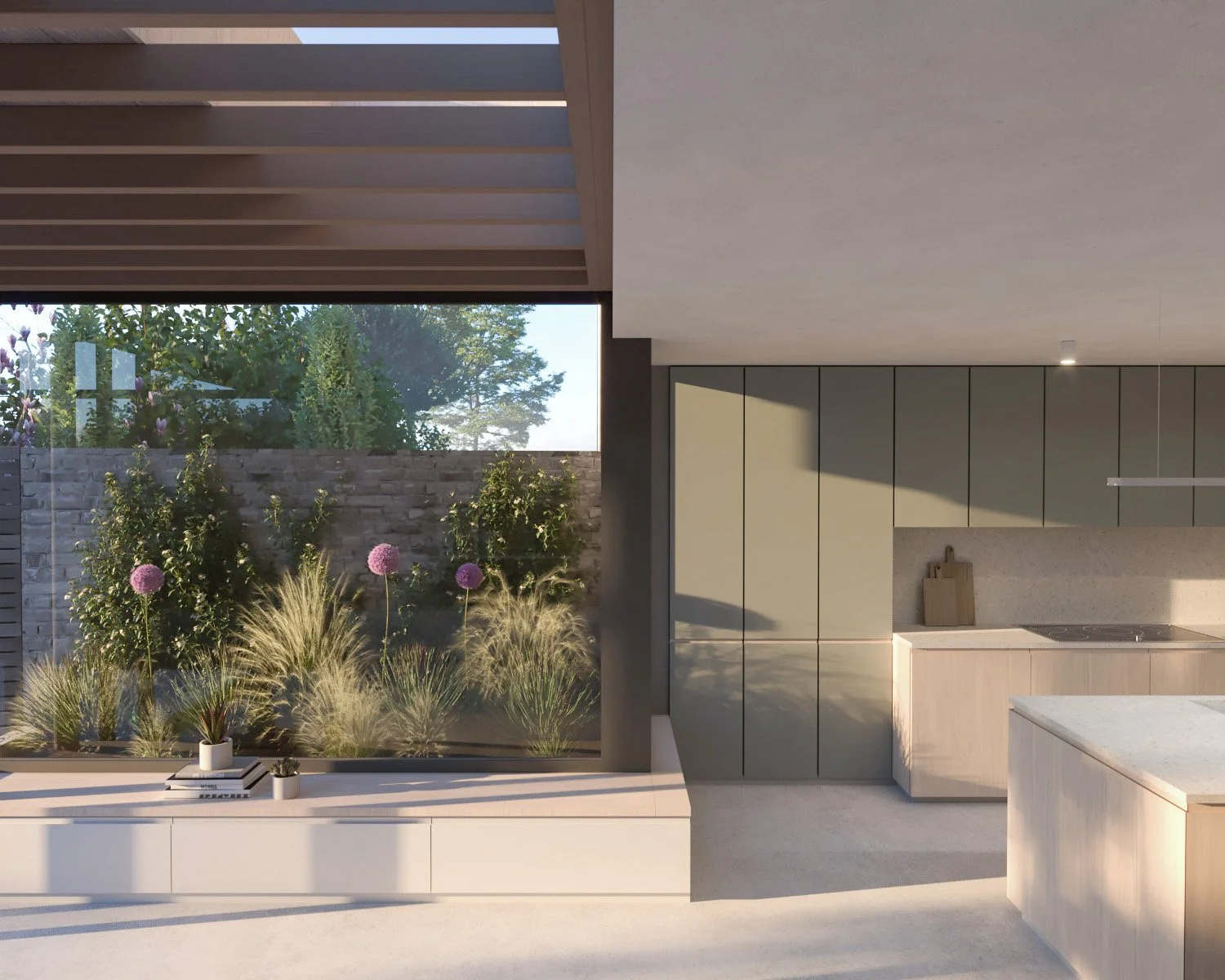
A design visualisation showing how a planted side setback can bring light and greenery deeper into a kitchen extension.
How an extension changes the whole home
An extension affects much more than the new space.
It can change how daylight reaches the middle of the house, how people move between rooms, where the kitchen works best, how the garden is used and how warm or cool the home feels through the year.
It can also affect structure, drainage, planning, construction cost, ventilation, heating and the relationship between old and new materials.
This is why extension design needs joined-up thinking. The new space should feel like part of the home, not an object attached to the back of it.
For London period homes, this is especially important. Victorian and Edwardian houses often have narrow plans, solid walls, dark middle rooms and older rear additions. A careful extension can improve these issues. A poorly considered one can make them worse.
Working with Period Homes in London
Most of the homes we work on are in conservation areas. Victorian terraces. Edwardian semis. 1930s houses with character. That’s our focus.
We specialise in extending these homes with care. Respecting what is already there. Introducing new space in a way that feels natural. Shaping a clearer route through planning rather than treating planning as a separate hurdle later.
We understand what local planners are looking for and can advise early on what is likely to be supported.
If you are working with a period property, you can explore this further in our guide to extending Victorian homes.
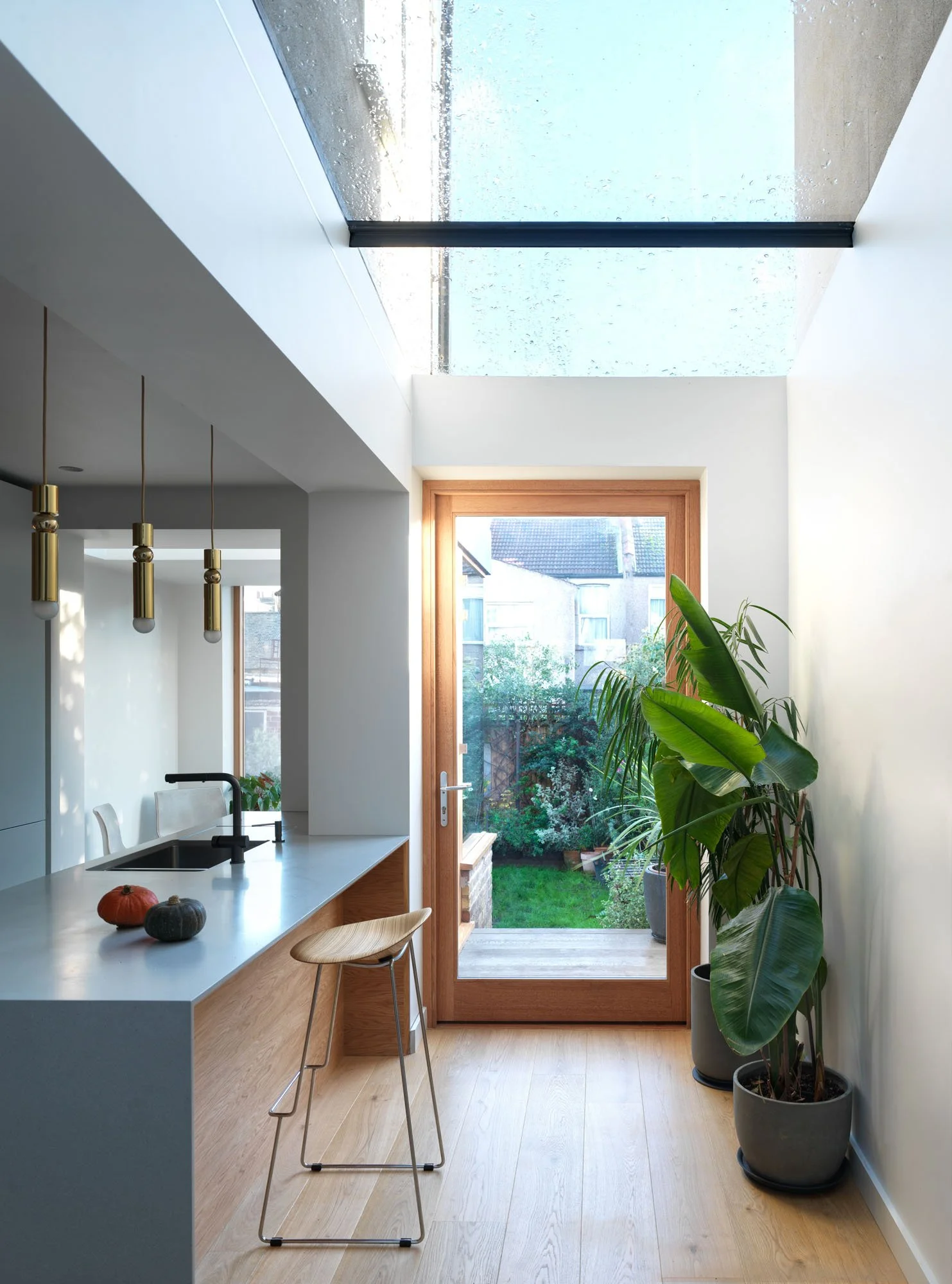
Light, layout and garden connection
Many London house extensions are built to create a brighter kitchen, a better dining space or a stronger connection to the garden.
The challenge is that the new space can easily take light away from the rooms behind it. A deep rear extension, large areas of glazing or an open-plan layout may look appealing on paper, but still leave the centre of the home feeling gloomy or difficult to use.
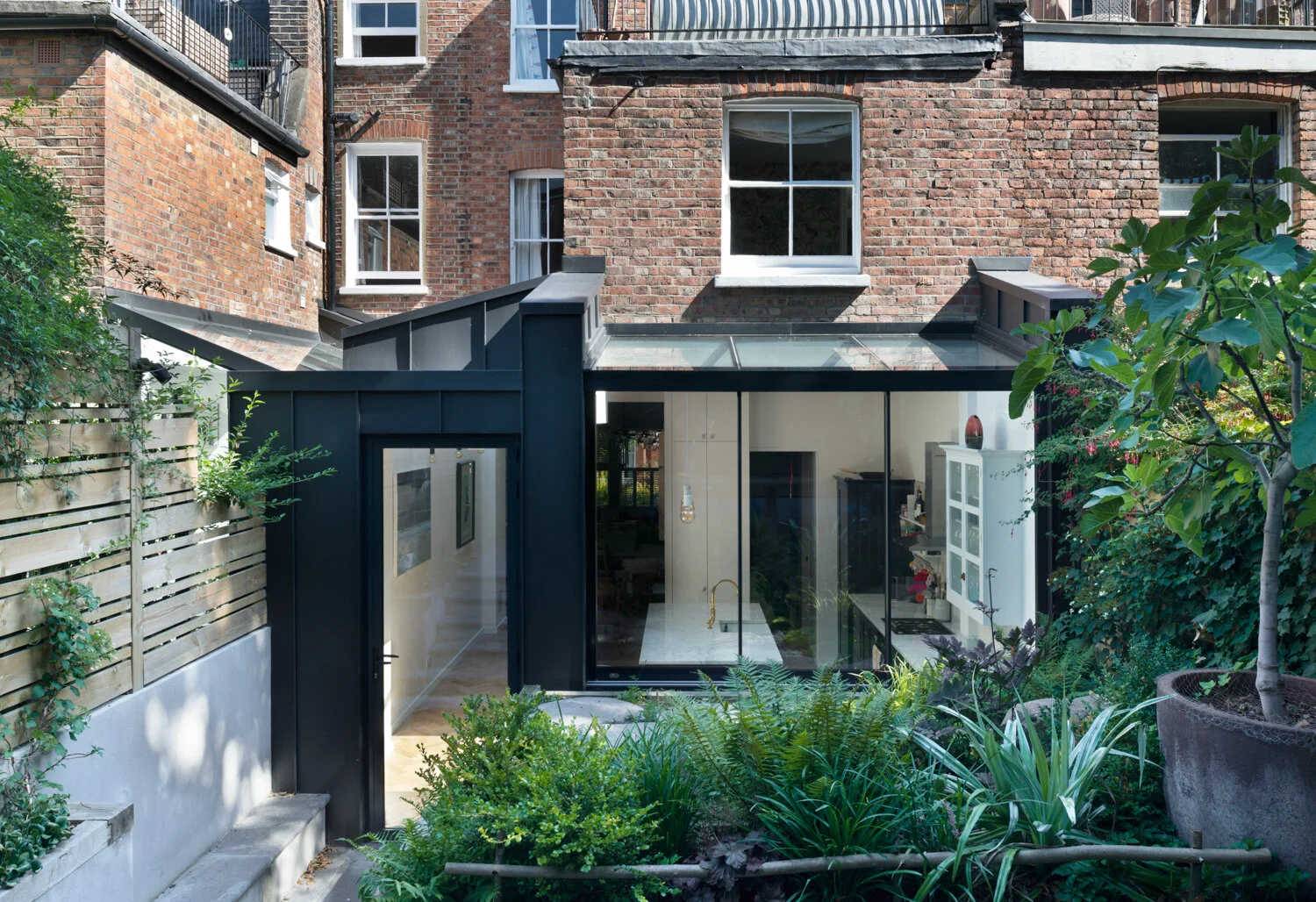
We consider daylight, views, circulation and room use together. This might mean changing the shape of the extension, adjusting rooflights, keeping a partial separation between rooms, improving storage, or using materials that help the old and new parts feel connected.
The aim is not simply a bigger ground floor. It is a home that feels brighter, calmer and easier to live in.
Kitchens, dining spaces, storage and interiors
The success of many extensions is decided by the interiors.
A kitchen extension only works well if the kitchen layout supports the way you cook, move, eat and spend time together. The same is true of dining spaces, storage, lighting, joinery, floor finishes, thresholds and the small details that shape daily life.
These decisions should not be left until the end. They affect the size, shape and character of the extension from the beginning.
We think about interiors as part of the architecture. That means considering where the kitchen should sit, how storage can be built in, how materials meet, how light falls through the day and how the new space relates to the older rooms around it.
For projects where the inside of the home needs this level of care, our Architectural Interiors service can support the design of kitchens, bathrooms, joinery, lighting, materials and room-by-room coherence.
A warmer, more comfortable home, not just a larger one
Every extension is an opportunity to improve how your home performs.
Better insulation. Better daylight. Better comfort.
We consider how the existing house behaves as well as the new space. This might include improving insulation, reducing drafts, or planning for future upgrades.
The result is a home that feels warmer in winter, cooler in summer, and more stable throughout the year.
Large areas of glass can bring in daylight, but they can also cause overheating if shading, ventilation and orientation are not thought through. New insulation can reduce heat loss, but it needs to be detailed carefully where old and new construction meet. Better airtightness can make a home feel less draughty, but it must be paired with planned ventilation so fresh air is still provided properly.
We look at these issues early, so comfort, energy use and material choices are part of the design conversation, not an afterthought.
This does not mean every extension becomes a whole-house retrofit. It means the extension is designed with an understanding of how the whole home performs.
Transparent Process, Honest Budgets
We’ve worked with many homeowners who are doing this for the first time. It is important to feel informed and in control from the outset.
The first step is to submit a project enquiry. We will review what you are hoping to achieve, where the property is, what stage you are at and whether Studio CMA is likely to be the right fit.
If the project is suitable, we will usually arrange a Discovery Call to talk through the brief and advise on the most useful next step.
For many extension projects, that next step is an Architect’s Home Visit and Appraisal. This helps test whether an extension is the right answer, what kind of extension makes sense, what constraints are likely to matter and how the project might move forward.
If the project is already clearly a larger extension, renovation or reconfiguration, it may then continue through our Full Architectural Service. This is where we develop the design, planning strategy, technical information, consultant coordination, builder pricing information and construction support.
We test options early, highlight risks, and help you make decisions with confidence.
As the design develops, we keep a close eye on cost so your ambitions and budget stay aligned.
If you would like to understand how this fits into the wider process, you can read more about architect-led renovations in London.
Ready to explore your extension project?
If you are considering extending your London home, the best first step is to tell us a little about the property, what you are hoping to achieve and where you are in the process.
We will review your enquiry and let you know whether a Discovery Call, an Architect’s Home Visit and Appraisal, or another route is the most useful next step.
You can also read more about our Architect’s Home Visit and Appraisal if you would like to understand how we test early options before design work begins.
Selected extension projects
A selection of London extension projects showing different ways to improve light, layout, comfort and connection to the garden.
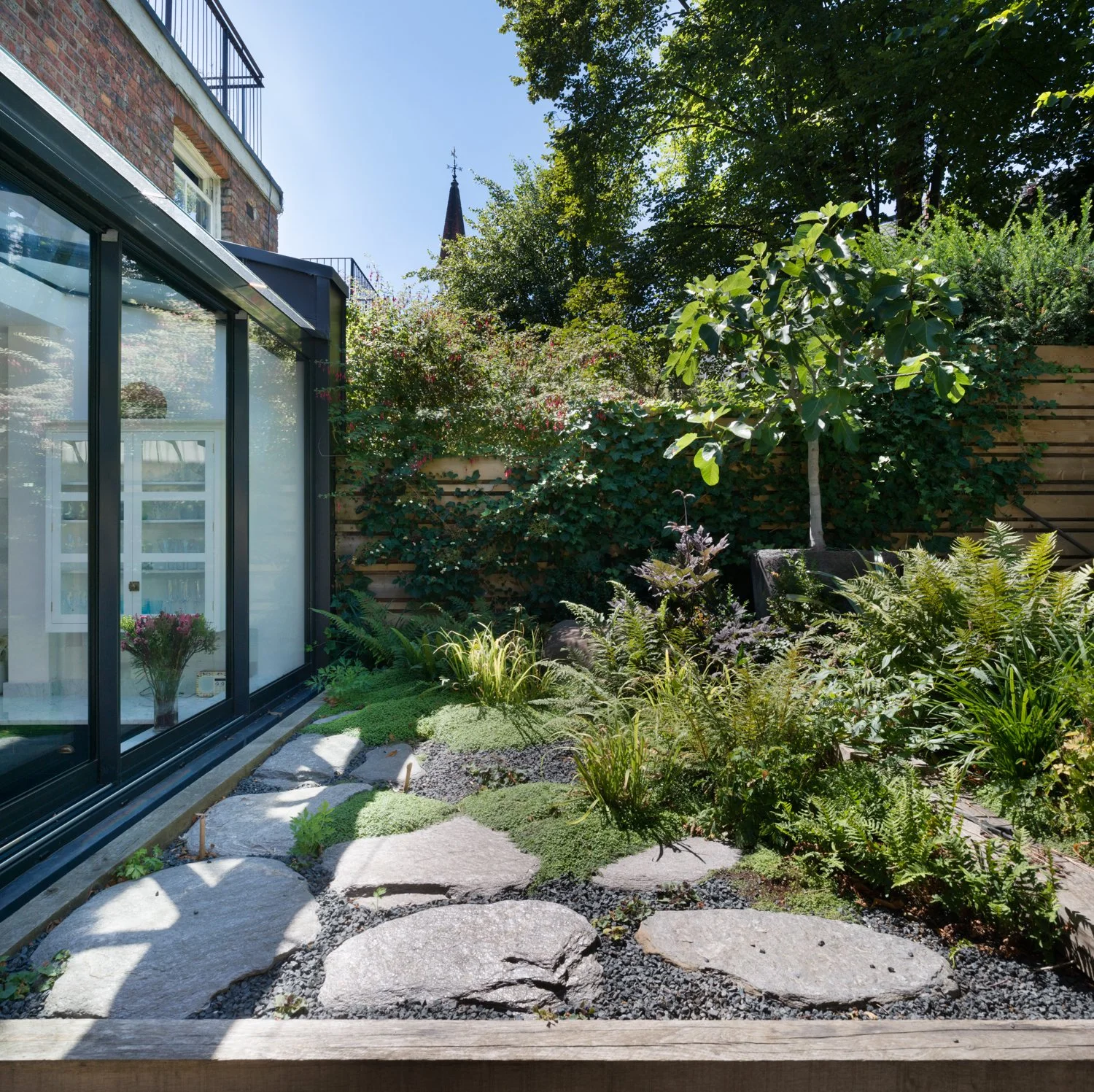
A House Reconnected to Its Garden
Rear wraparound extension to a Victorian terrace in Islington
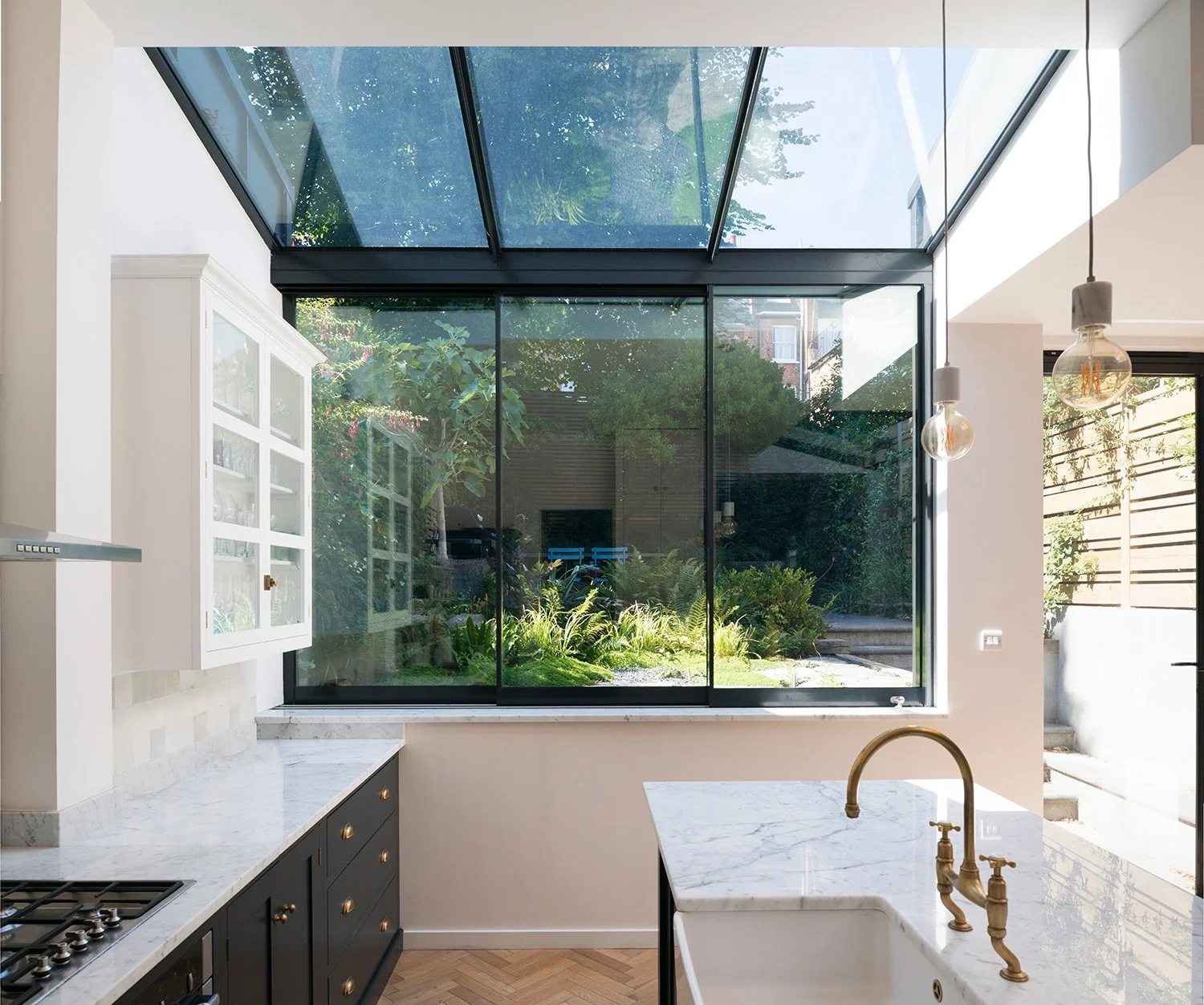
A kitchen and garden extension designed to bring more light into a north-facing Victorian home. Roof glazing, careful planning and a layered garden threshold reconnect the house with the garden.
Victorian Terrace Loft Extension, Islington
Loft extension to a Victorian home in Islington
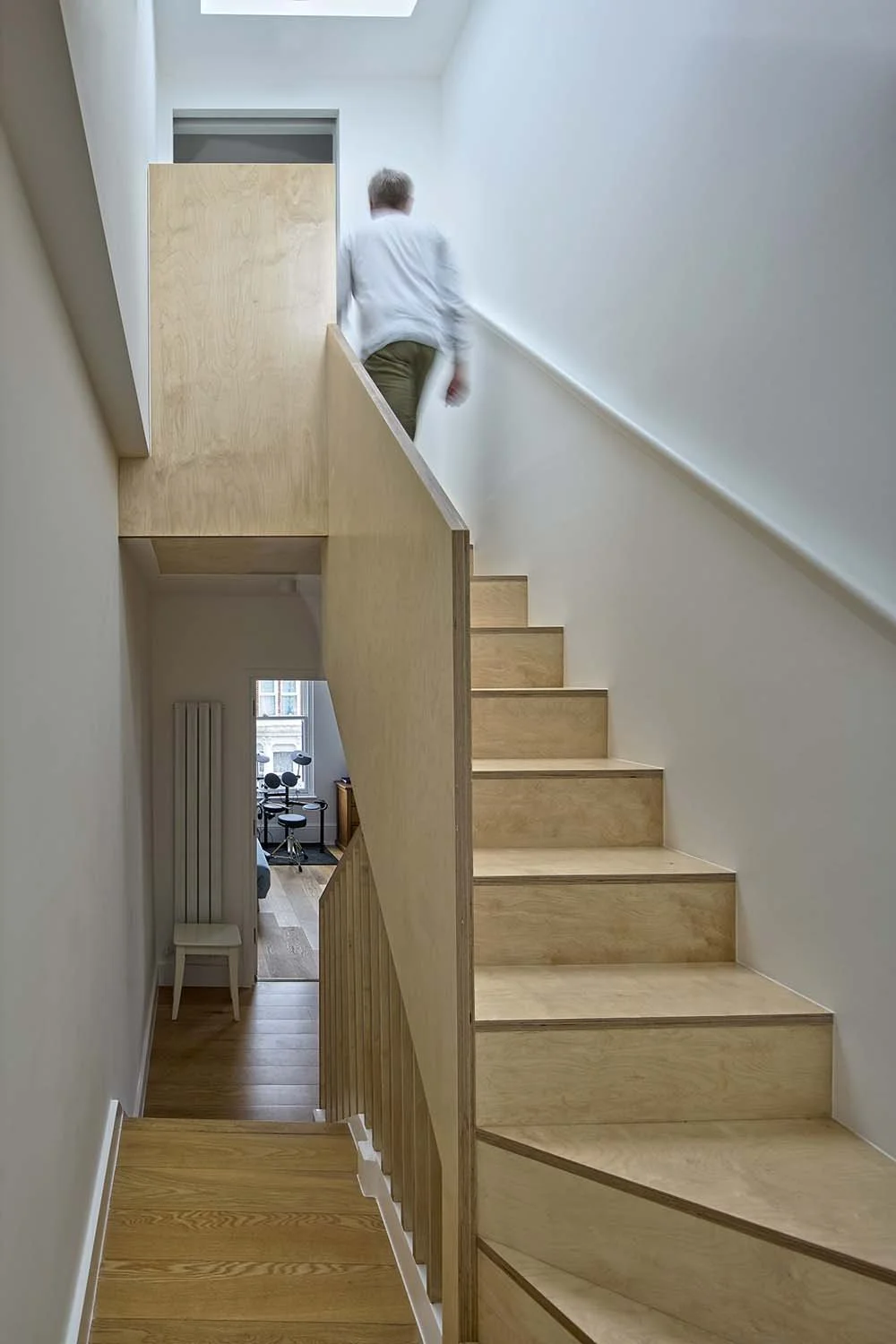
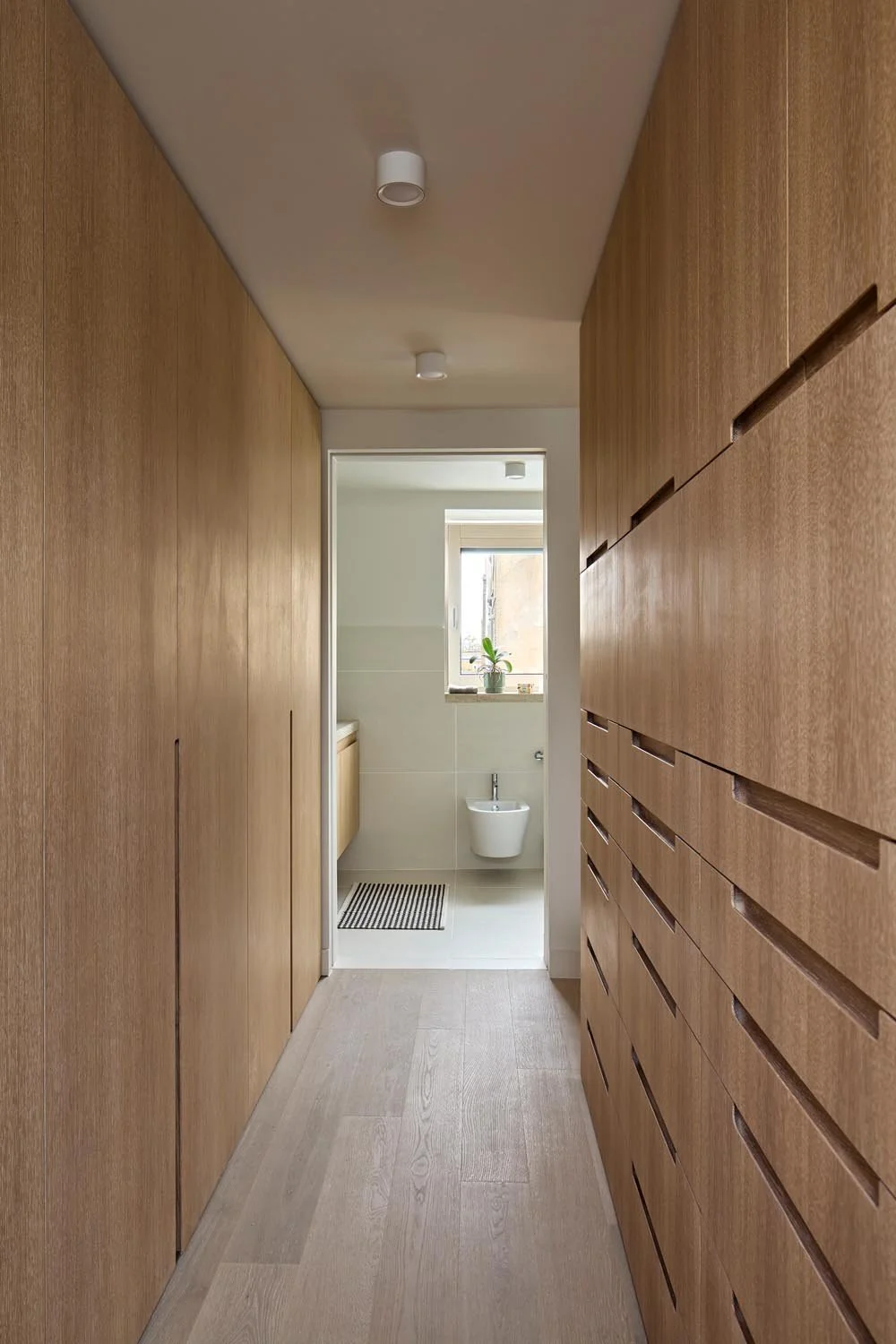
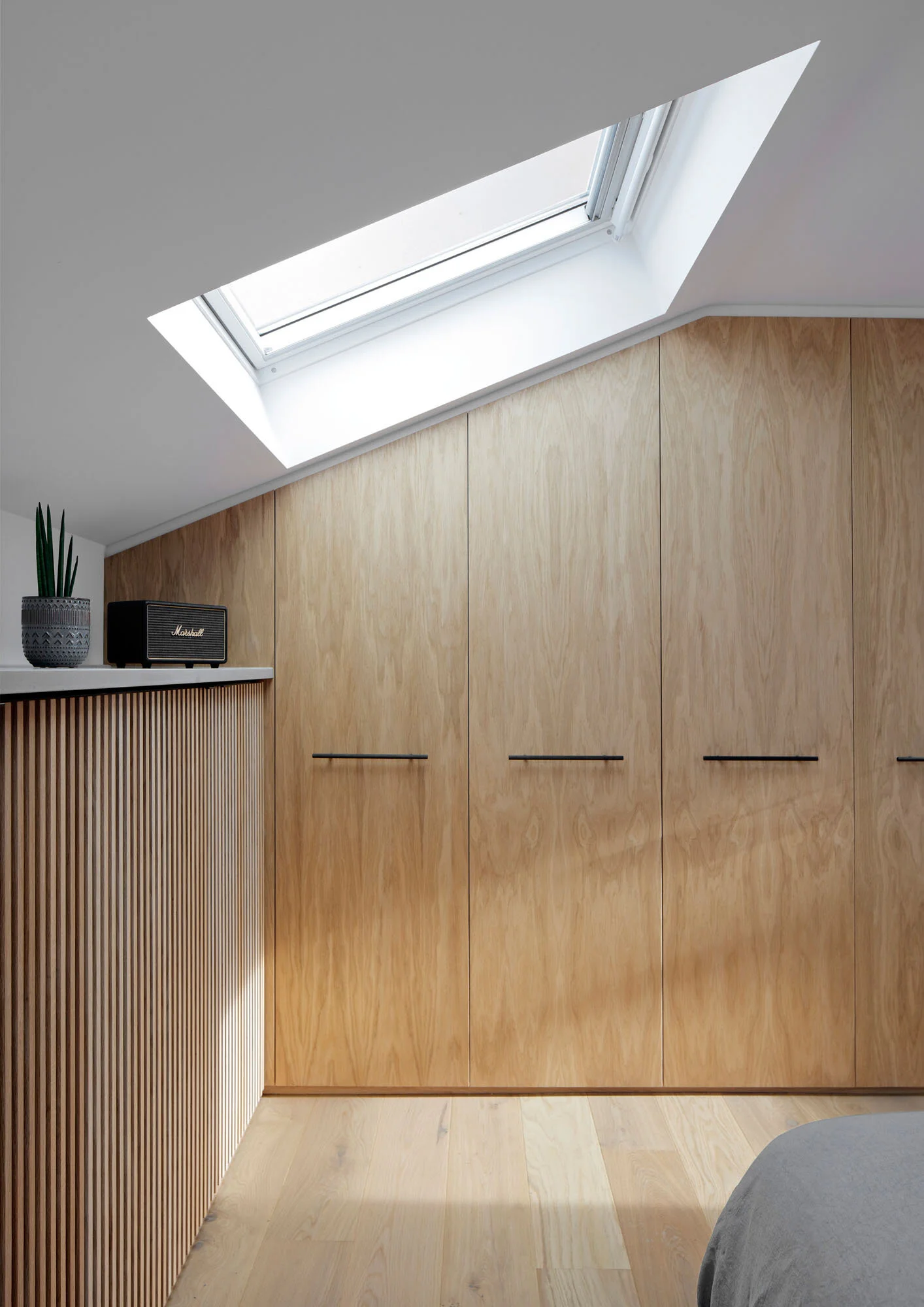
A sensitive loft extension designed around daylight, storage and careful joinery. Rooflights and bespoke oak wardrobes turn the upper floor into a calm, highly usable part of the home.
Tea Room,
Rensburg Villas
Garden room extension to a London terrace
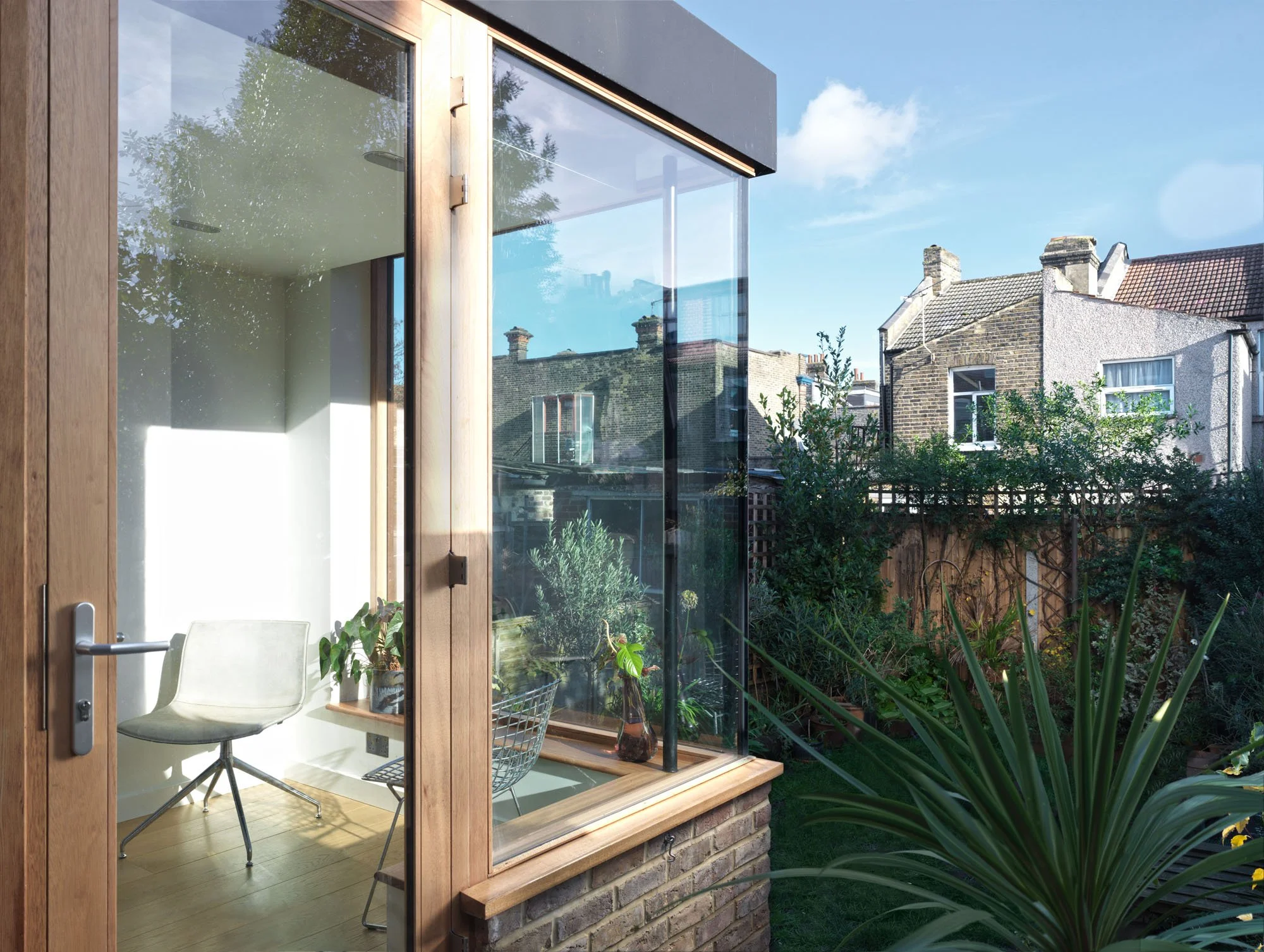
A compact rear intervention designed as a calm retreat between house and garden. Timber, brick, zinc and glass create a warm garden room filled with morning light.
London Fields
Roof Extension
Roof extension and maisonette reconfiguration in Hackney
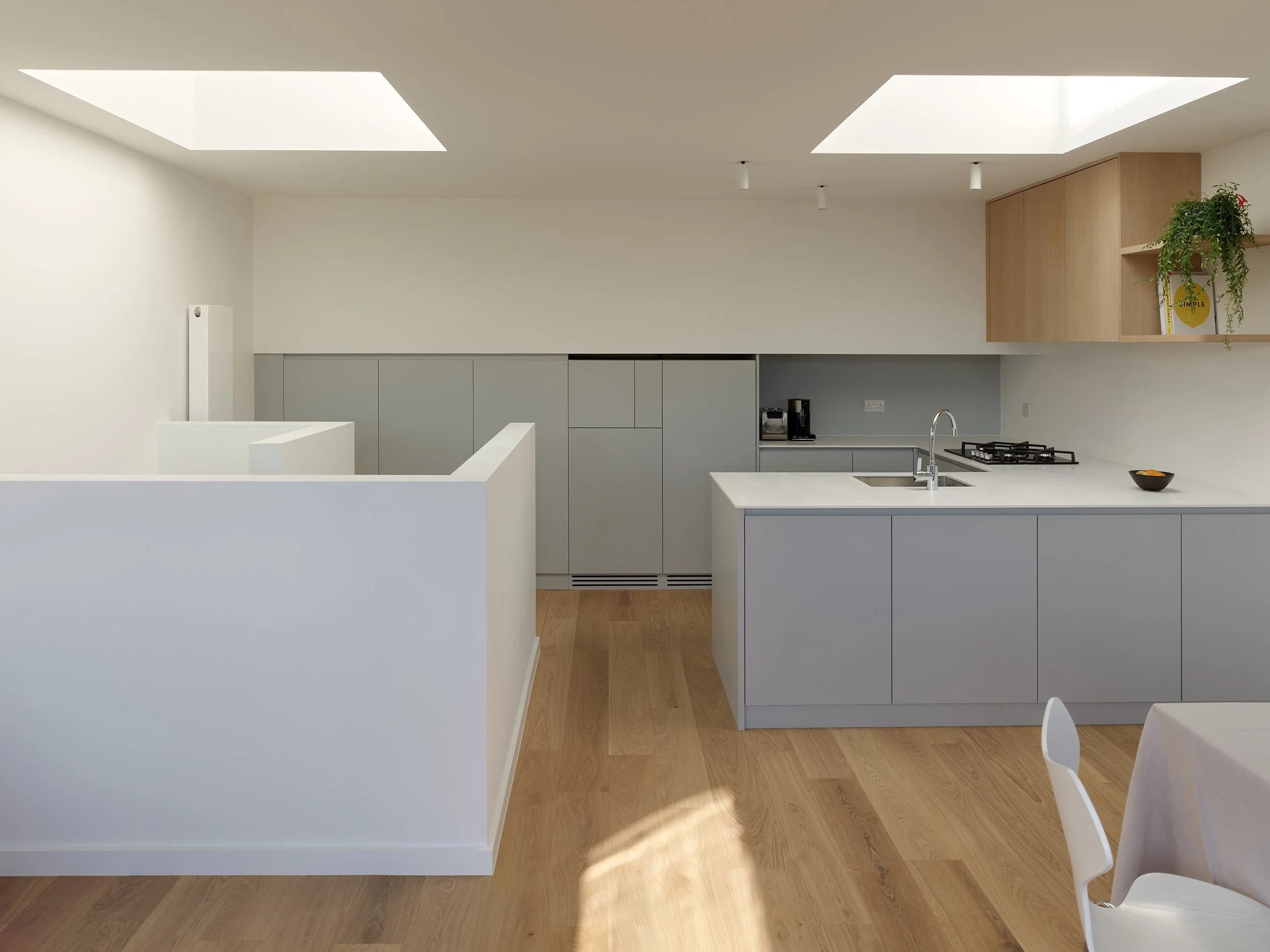
A compact roof extension and internal reconfiguration that creates a brighter kitchen and living level. Rooflights, pale finishes and careful planning help the new space work harder day to day.
Victorian Loft Conversion and Family Home Retrofit, Hackney
Loft extension and family home retrofit in Lower Clapton
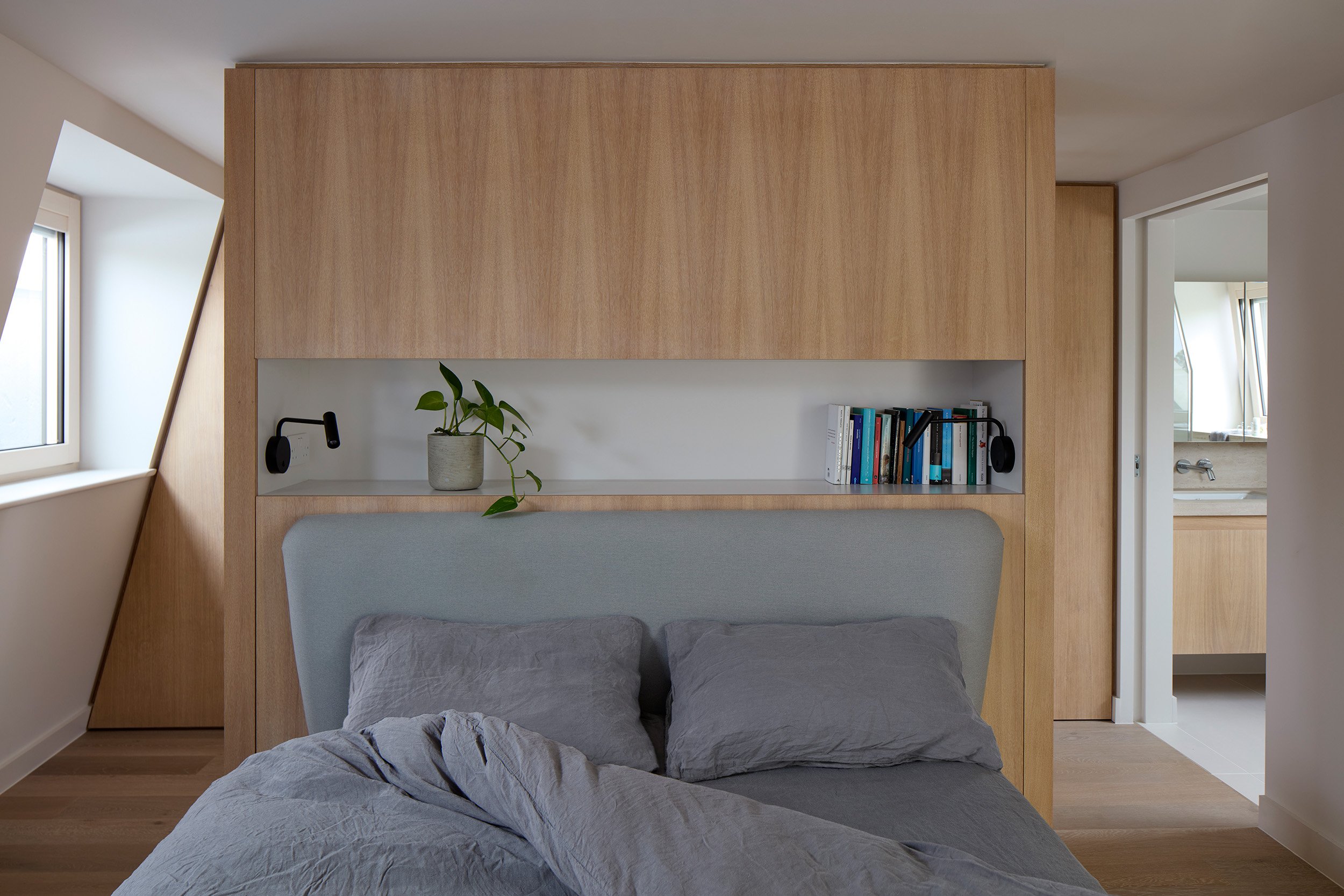
A compact loft conversion and fabric-first retrofit of a Victorian family home in Lower Clapton. New roof space, carefully placed daylight and integrated joinery make the house warmer, brighter and easier to use.
Frequently Asked Questions
-
Some house extensions can be built under permitted development rights, but many London homes need a full planning application. This is especially common if the property is in a conservation area, has already been extended, or the proposal affects the roof, front elevation, boundary conditions or overall appearance.
The safest approach is to understand the planning position before design work goes too far. We look at this early so you can make decisions with a clearer sense of what is likely to be supported.
Read our guide to planning permission for extensions in London.
-
The cost of a house extension in London depends on size, structure, access, glazing, finishes, services, drainage, contractor availability and how much work is needed to the existing home.
A small extension can still be expensive if it involves complex structure, high-quality glazing, difficult access or significant internal reworking. A larger extension can also become poor value if it adds floor area without improving the way the home works.
We help you think about cost early, so the design ambition and budget can be tested before too many decisions are fixed.
-
You do not legally need an architect for every house extension. Some simple projects can be handled in other ways.
However, many London extensions involve planning constraints, structural changes, older building fabric, kitchen and interiors decisions, budget pressure and coordination between different consultants and builders. In those cases, an architect can help you make better decisions before the project becomes expensive to change.
The real question is not only whether you need drawings. It is whether you need independent design thinking to help the extension work properly as part of the whole home.
Read our guide: Do you need an architect for a house extension?
-
Yes. In fact, this is one of the most important early decisions.
Many homeowners come to us assuming they need an extension. Sometimes that is right. Sometimes a better layout, improved storage, a loft-first approach, an interiors-led change, or a phased renovation may solve the problem more effectively.
Our Architect’s Home Visit and Appraisal is often the best first step when the route is unclear. It allows us to look at the property, listen to what you want to achieve and help you understand what is realistic, sensible and worth exploring.
-
Yes. Much of our work is with London period homes, including Victorian and Edwardian houses.
These homes often need careful extension thinking because they can have narrow plans, dark middle rooms, solid walls, older rear additions and conservation area constraints. A good extension should respect the character of the existing house while improving light, layout, comfort and everyday use.
We look carefully at how the old and new parts of the home meet, so the result feels coherent rather than added on.
-
Yes, if it is poorly considered.
Large rooflights, big areas of glass, limited shading and poor ventilation can make extensions overheat in summer. Poor detailing between old and new construction can also create uneven temperatures, draughts or cold spots.
Good extension design considers comfort from the beginning. That includes daylight, shading, insulation, ventilation, materials, heating and how the new space affects the rest of the home.
-
Common extension types in London include rear extensions, side return extensions, wraparound extensions, loft extensions and smaller infill additions.
The right type depends on the house, planning constraints, budget, structure, garden size, daylight and what you need the home to do better. A side return may improve a narrow kitchen. A rear extension may improve garden connection. A loft extension may create a bedroom or study without changing the ground floor.
The best option is the one that solves the real problem, not simply the one that adds the most space.
-
Sometimes, but not always. It depends on the level of disruption.
The answer is usually shaped by the scale of the work, whether the kitchen or bathrooms are affected, how much structural work is involved and whether the house can be kept safe and usable during construction.
We will talk this through early so you can plan ahead and make the right decision for your situation.
-
Start by telling us about your home, what is not working and what you hope the extension will change.
We will review your enquiry and let you know whether Studio CMA is likely to be the right fit. If it is, we will usually suggest a Discovery Call or an Architect’s Home Visit and Appraisal, depending on how clear the brief, scope, budget and route already are.
This gives you a more useful starting point than jumping straight into drawings.