
House Extension Design
Thinking Beyond the Extra Space
Most people do not wake up wanting an extension. They wake up wanting their home to work again.
Maybe the kitchen no longer fits family life. Maybe bedrooms sit in the wrong place. Maybe you technically have space, but it is in the wrong shape, on the wrong floor, or cut off from where you actually spend time.
That is where good house extension design begins.
Not with what to add, but with understanding what is not working already.
Because adding space changes more than just the footprint. It changes how the whole house feels, performs, and is used every day.
A home is not a series of separate rooms. It is a connected system. Light, heat, air, and movement all interact. When one part changes, the effects are felt elsewhere.
This is why some extensions improve a home dramatically, while others leave it feeling unbalanced.
This page explains how to think about extending your home as part of a whole, so that every change works together rather than against itself.
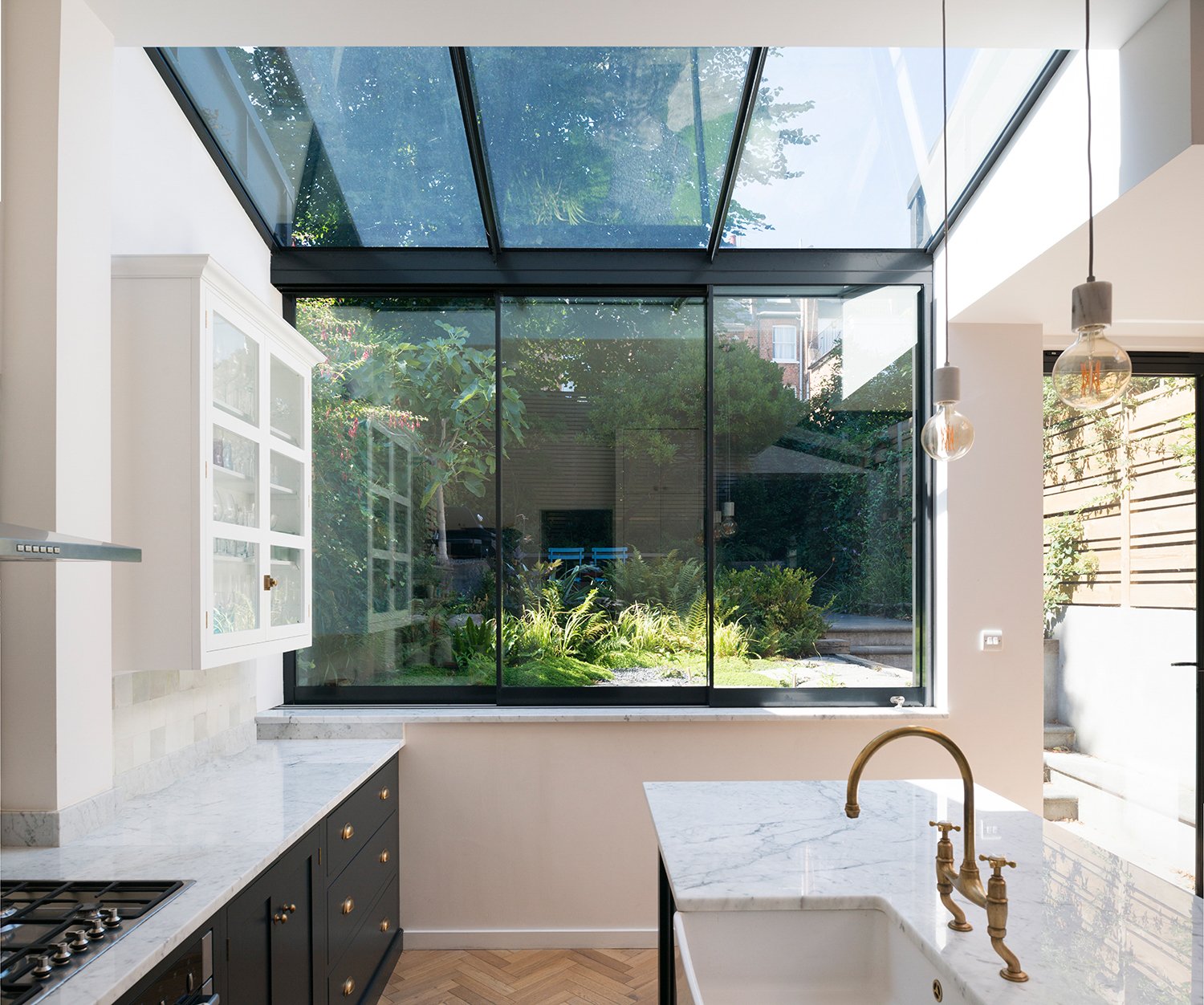
Gladsmuir Road, Islington: a kitchen extension where roof glazing and garden-facing openings bring light deep into the plan. Good extension design is not just about adding space. It is about helping the whole house work better.
Why house extension design is not just about adding space
It is easy to assume that more space will solve the problem.
Sometimes it does.
But often, it simply moves the problem somewhere else.
A bright new rear extension can leave the front rooms darker.
A large open-plan space can make the house harder to heat and cool.
A longer layout can make everyday movement feel slower and more tiring.
These are not unusual outcomes. They are predictable.
They happen when the extension is treated as an isolated project, rather than part of a wider system.
This is explored further in our article on common extension design mistakes, where small decisions often have wider consequences than expected.
Start with how the house works today
Before deciding what to build, it helps to understand how the existing house behaves.
Where do you spend most of your time?
Which rooms feel comfortable, and which do not?
Where does light work well, and where does it struggle?
How do you move through the house each day?
These questions reveal something important.
Many homes do not need more space first.
They need better organised space.
Sometimes a modest extension improves how the whole house works.
Sometimes reconfiguring existing rooms achieves more than building out.
This is where careful architectural judgement matters, because the right answer is rarely just the largest extension the site will allow.
In some cases, the better option is not extending out at all, but rethinking the roof space, which is where working with a loft extension architect in London can help clarify what is possible within the existing structure.
This way of thinking sits within a wider framework known as the Considered Whole-House Approach, where decisions are guided by how the building performs, how space is organised, and how the home is lived in.
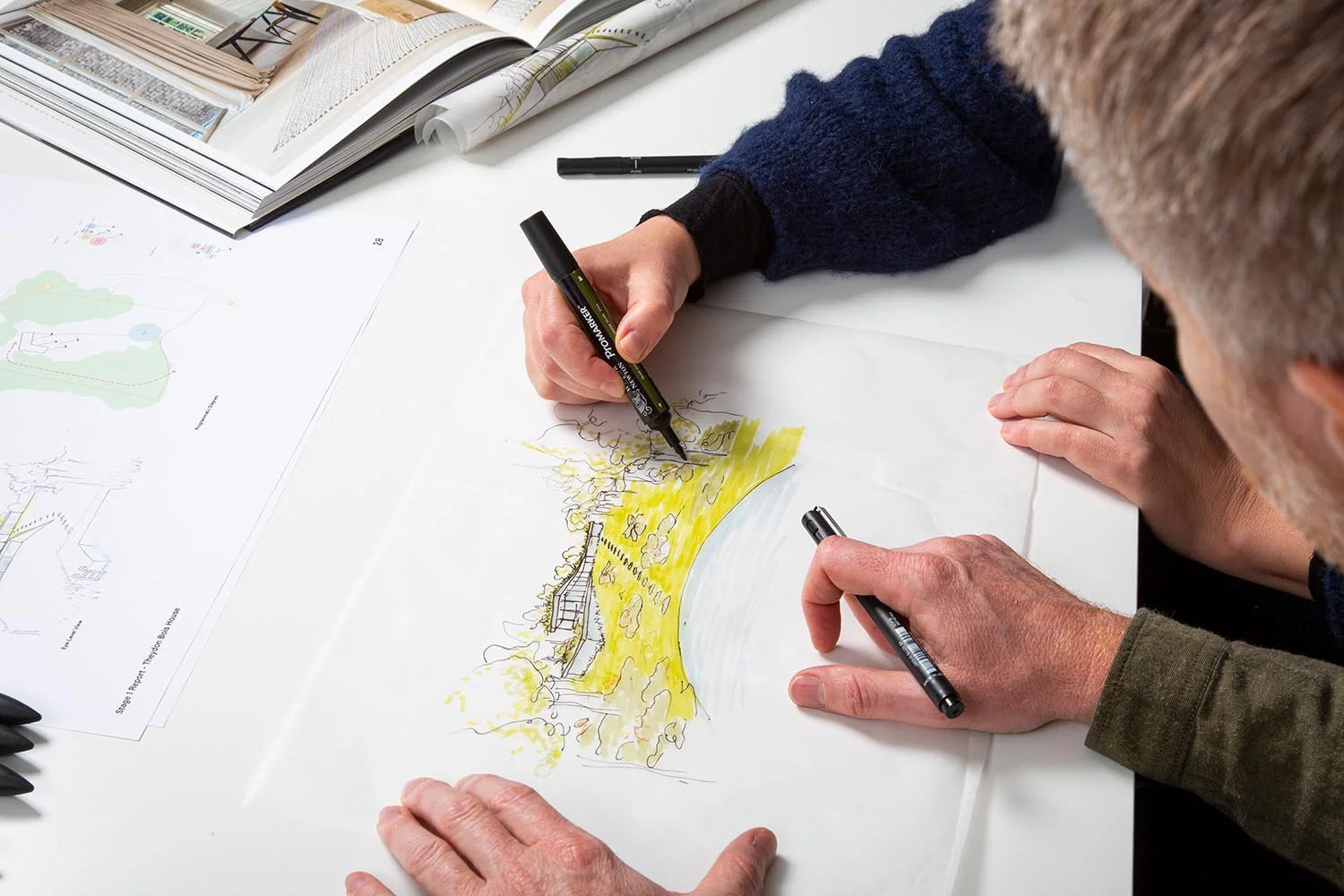
Good extension design starts by understanding how the existing house works. Sketching helps test light, movement, landscape and spatial relationships before committing to a design direction.
Extensions change how a house performs
An extension is not just a spatial change. It is a performance change.
In simple terms, performance means how the building holds heat, manages fresh air, and stays comfortable throughout the year.
When new space is added, the balance of the house shifts.
Warm air may move from older rooms into the new extension.
Large areas of glazing may increase the risk of overheating in summer.
Airflow patterns may change as new openings are introduced.
These effects are not design errors. They are natural consequences of altering the building.
The problem arises when they are not considered early enough.
A well-designed extension works with the building, not against it.
This is particularly true when looking upward rather than outward, as designing a loft extension that actually works often reshapes how the entire house is organised, from circulation to how different floors connect.
Space, light, and movement must be considered together
Adding space is only part of the story.
What matters is how that space connects to the rest of the home.
A new room may bring more daylight into one area, but reduce it elsewhere.
An open-plan layout may feel generous, but harder to control in terms of temperature and acoustics.
A longer plan may create more space, but make daily movement less intuitive.
Good house extension design considers these relationships together.
It is not just about creating a new room.
It is about improving how the whole house feels to live in.
In practice, this often means slowing the decision down enough to understand what the house is really asking for.
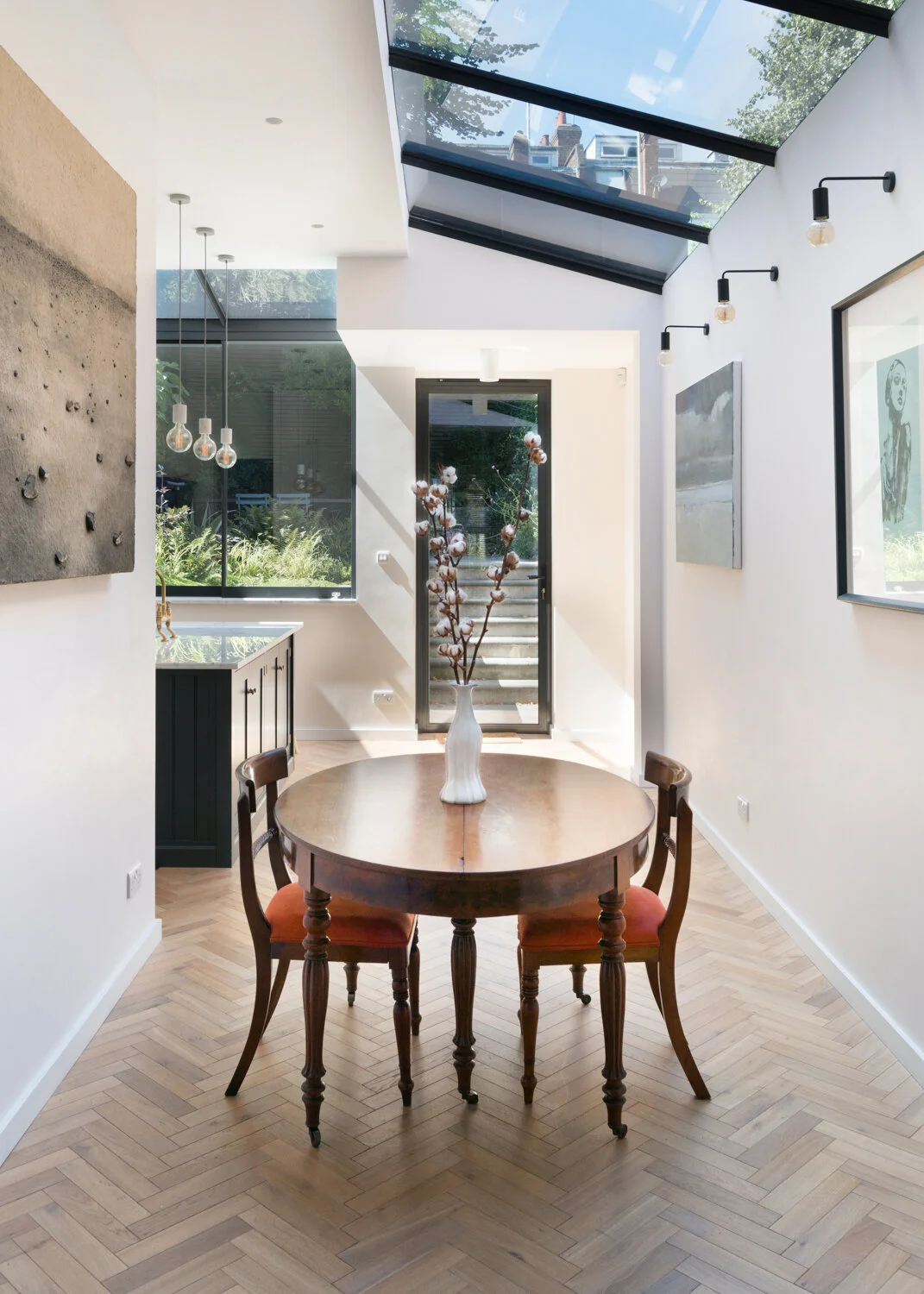
Gladsmuir Road, Islington: a side return dining extension where roof glazing brings daylight into the centre of a narrow Victorian plan. Space, light and movement need to be designed together.
House extension ideas only work when they fit the house
There is no shortage of inspiration.
Side returns.
Rear extensions.
Wrap-around extensions.
Loft conversions.
Each can work well.
But none of them are solutions on their own.
They are simply different types of house extensions, each suited to different layouts and ways of living.
What matters is how they respond to:
the proportions of the existing house
the orientation and light
how the home is used day to day
For example:
A side return extension can bring daylight into the centre of a narrow plan.
A rear extension can improve the connection between inside and outside.
A loft extension can rebalance bedrooms across floors.
The same idea can feel generous in one house and awkward in another, depending on how it changes light, structure, movement, and comfort.
In some cases, the better option is not extending out at all, but rethinking the roof space entirely.
Lower Clapton, Hackney: a Victorian terrace loft extension and whole-house retrofit. In some homes, the best extension decision is not building further into the garden, but using the roof space to rebalance the house.
The difference between a loft conversion and a loft extension becomes important here. A conversion works within the existing roof, while an extension creates additional volume. Extending can provide more space, but it also brings greater cost, complexity, and planning risk.
With careful design, the space you need can sometimes be created within the existing structure, avoiding unnecessary work.
Both options can be tested at concept stage, alongside likely costs and planning considerations, so that an informed decision can be made.
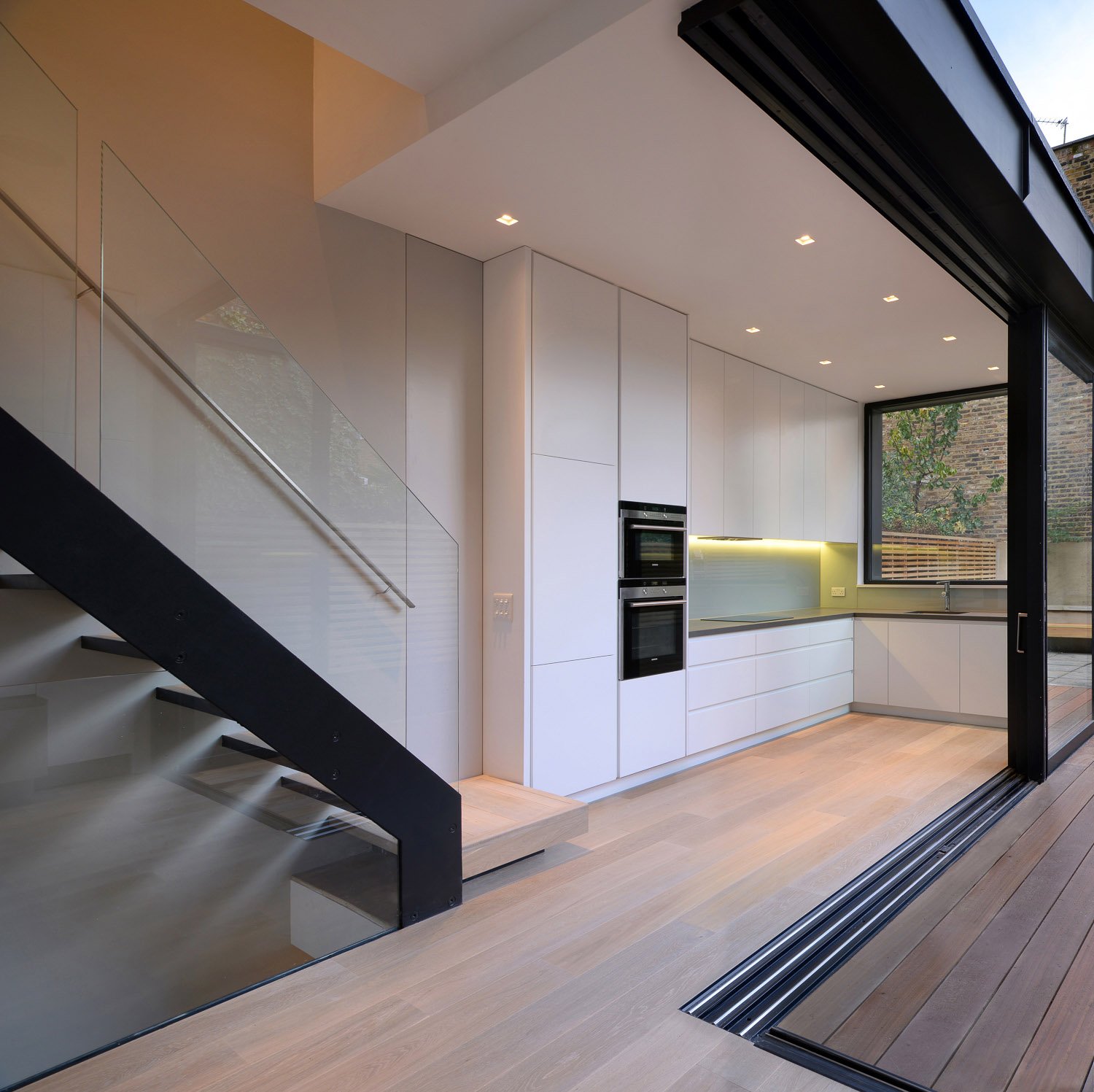
St Paul Street, Islington: a reorganised Victorian terrace where the kitchen, stair, rear extension and garden threshold are planned together. The best extension is the one that fits the way the whole house is used.
Designing extensions for Victorian homes
Many London homes share similar characteristics.
Narrow plots.
Solid walls.
Rooms arranged one after another.
This is why Victorian house extension ideas need to be handled carefully.
Opening everything up is not always the best answer.
Sometimes keeping part of the existing structure improves comfort and character.
Sometimes smaller, more precise changes outperform larger interventions.
The aim is not to modernise the house at all costs.
It is to help it work better for how you live now, while respecting how it was built.
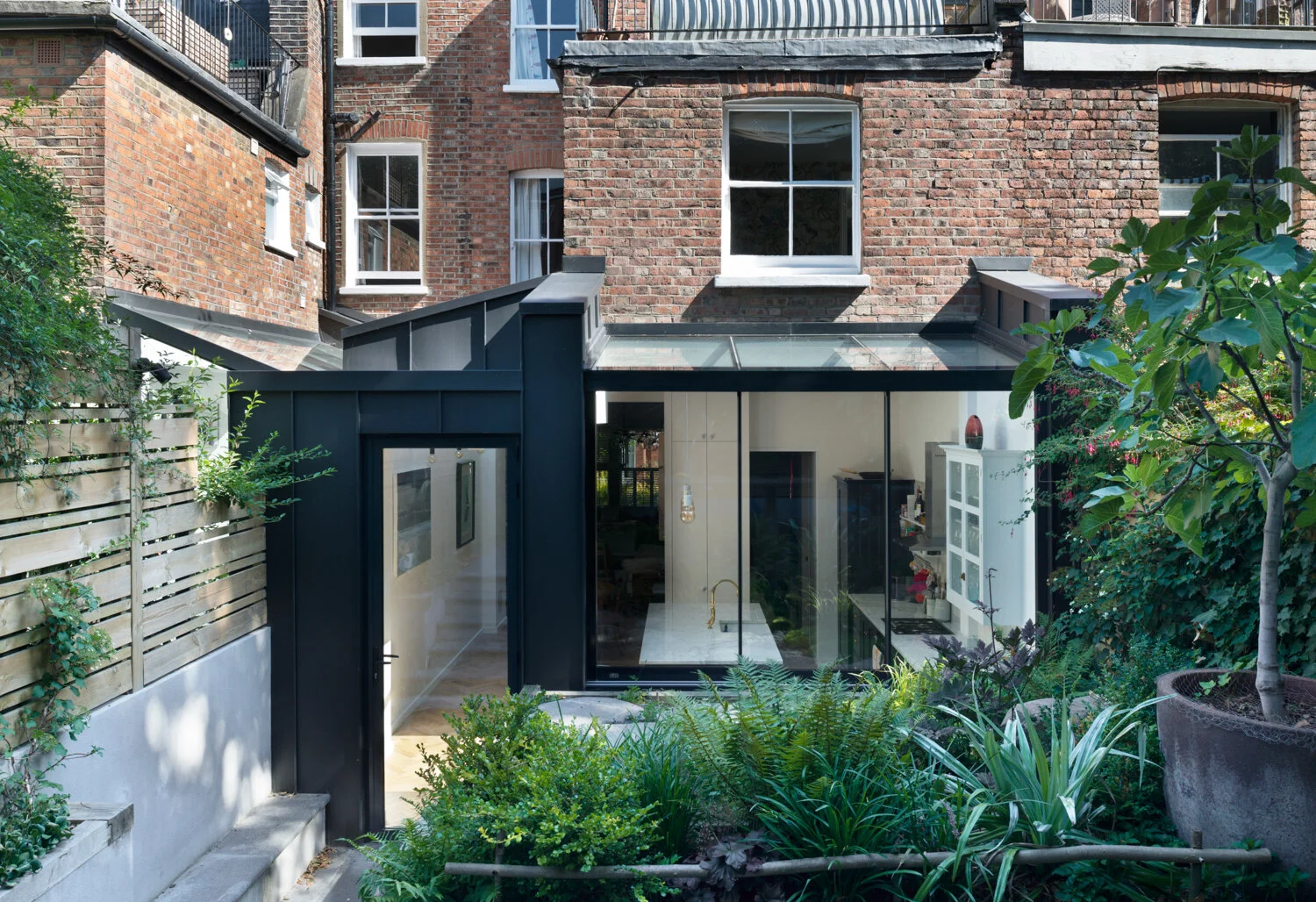
Gladsmuir Road, Islington: a contemporary rear wraparound extension to a Victorian terrace, designed with the garden rather than as a standalone addition.
Extension design affects comfort more than you expect
An extension does not just change space. It changes how the home performs.
Add a large glazed space and the house may overheat in summer.
Connect a new warm room to older construction and heat may move in unexpected ways.
This is why extension design benefits from understanding how the building already behaves.
Looking at heat loss, airflow, and overheating risk helps ensure that new space supports comfort rather than undermining it.
This is explored in more detail in our article on why some extensions make homes less comfortable.
Planning, cost, and feasibility need to be considered together
Practical questions matter from the beginning.
What is likely to be possible under planning policy?
What level of investment is realistic?
What kind of disruption is involved?
What risks need to be understood before committing to a direction?
These questions should not sit outside the design process. They help shape it.
The key is timing and balance.
If cost and planning are considered too late, the design may become unrealistic. If they dominate too early, the project can become cautious before the right possibilities have been explored.
Good house extension design holds these questions together. It tests spatial ideas against likely cost, planning constraints, buildability, and long-term value, so decisions are made with a clearer understanding of the trade-offs.
Questions around planning permission for extensions in London
and house extension costs in London are therefore not separate from design thinking. They are part of making a well-judged decision.
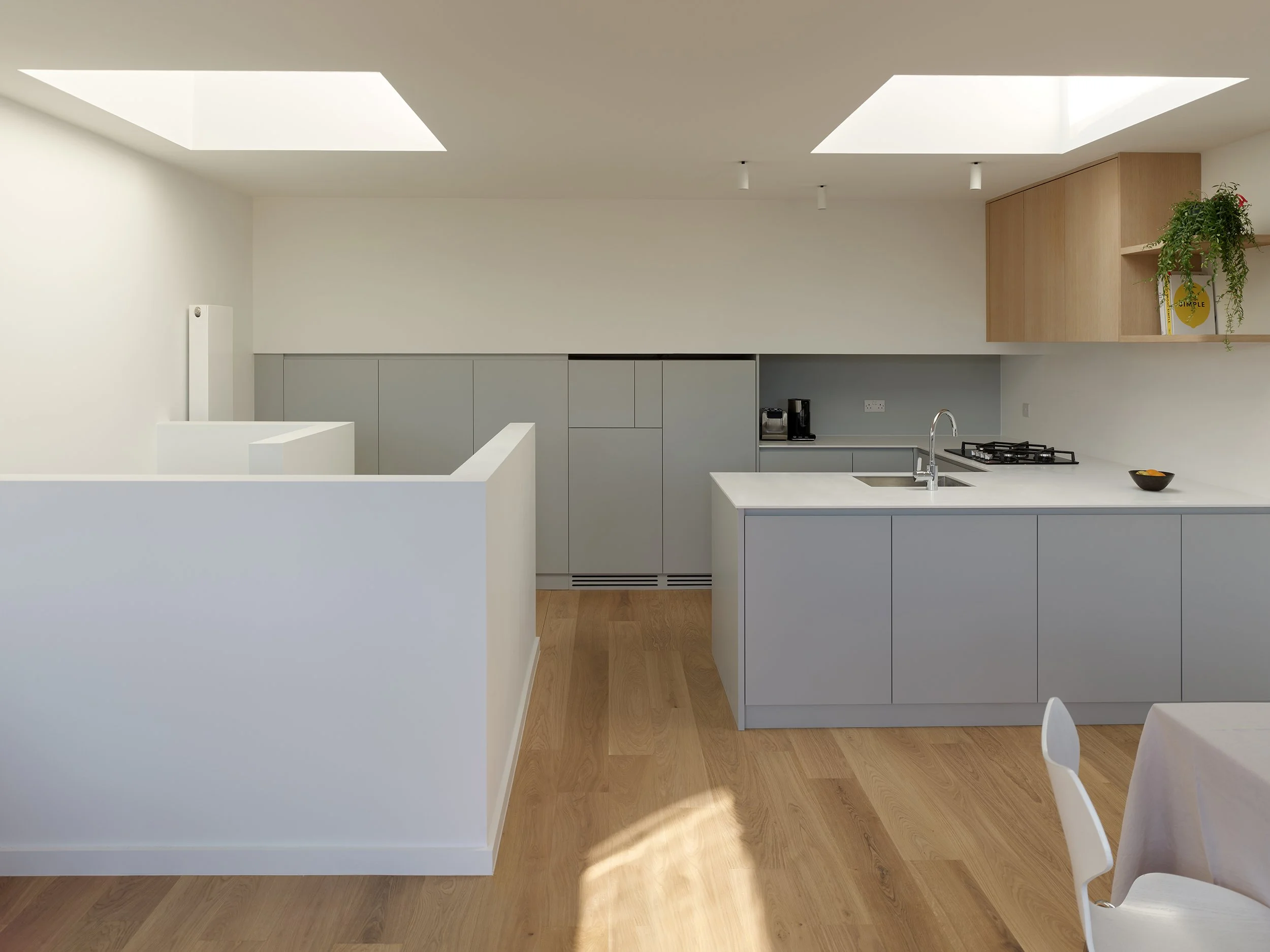
London Fields, Hackney: a new self-contained flat created within a roof extension to an existing London terrace. The project shows why planning, cost, access, daylight and long-term value need to be tested together from the start.
What a well designed house extension feels like
When everything comes together, the result is not dramatic.
It is calm.
The house feels easier to live in.
Spaces relate to each other more naturally.
Light works across the plan, not just in one area.
Comfort improves quietly in the background.
Nothing feels forced.
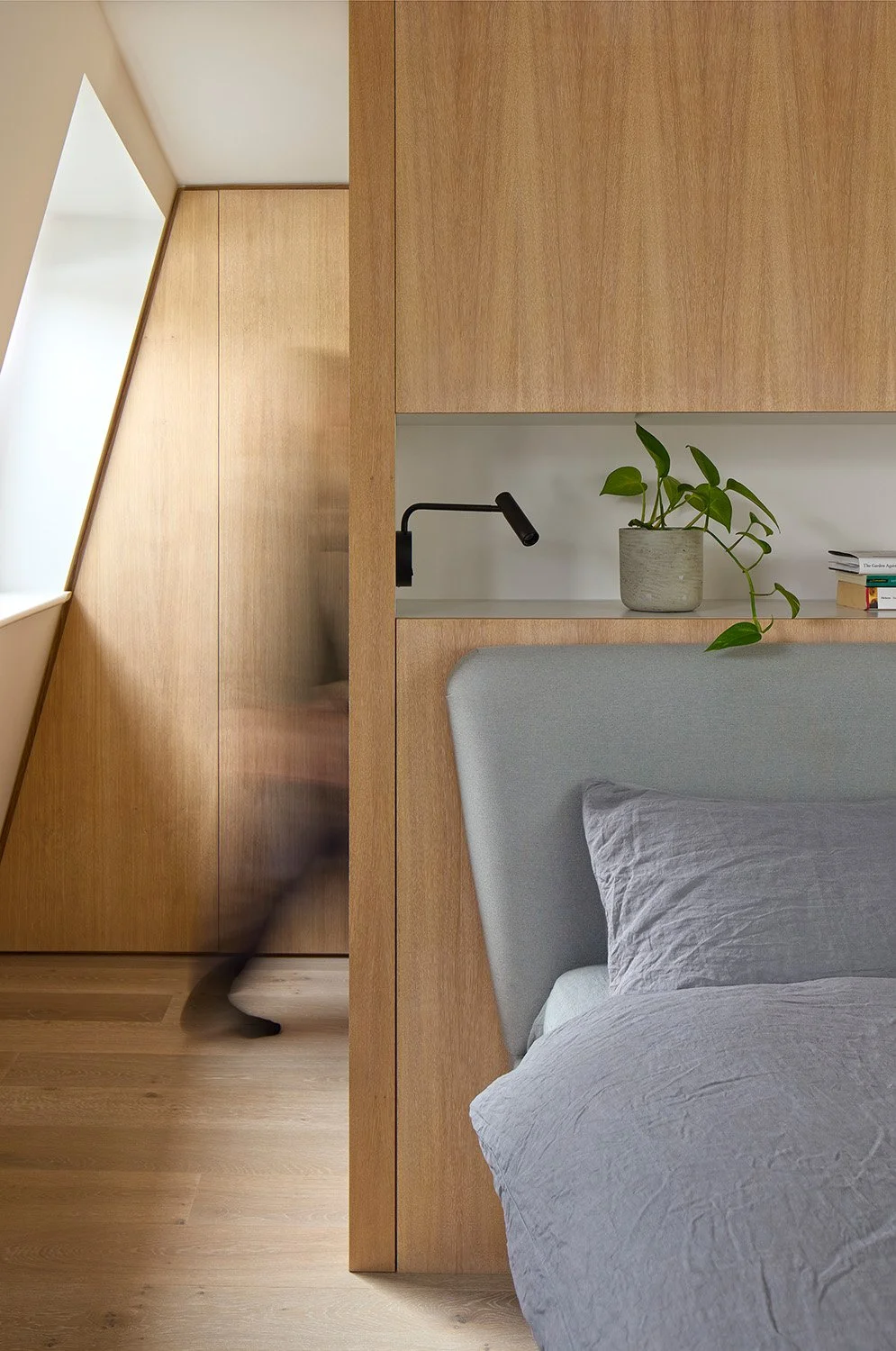
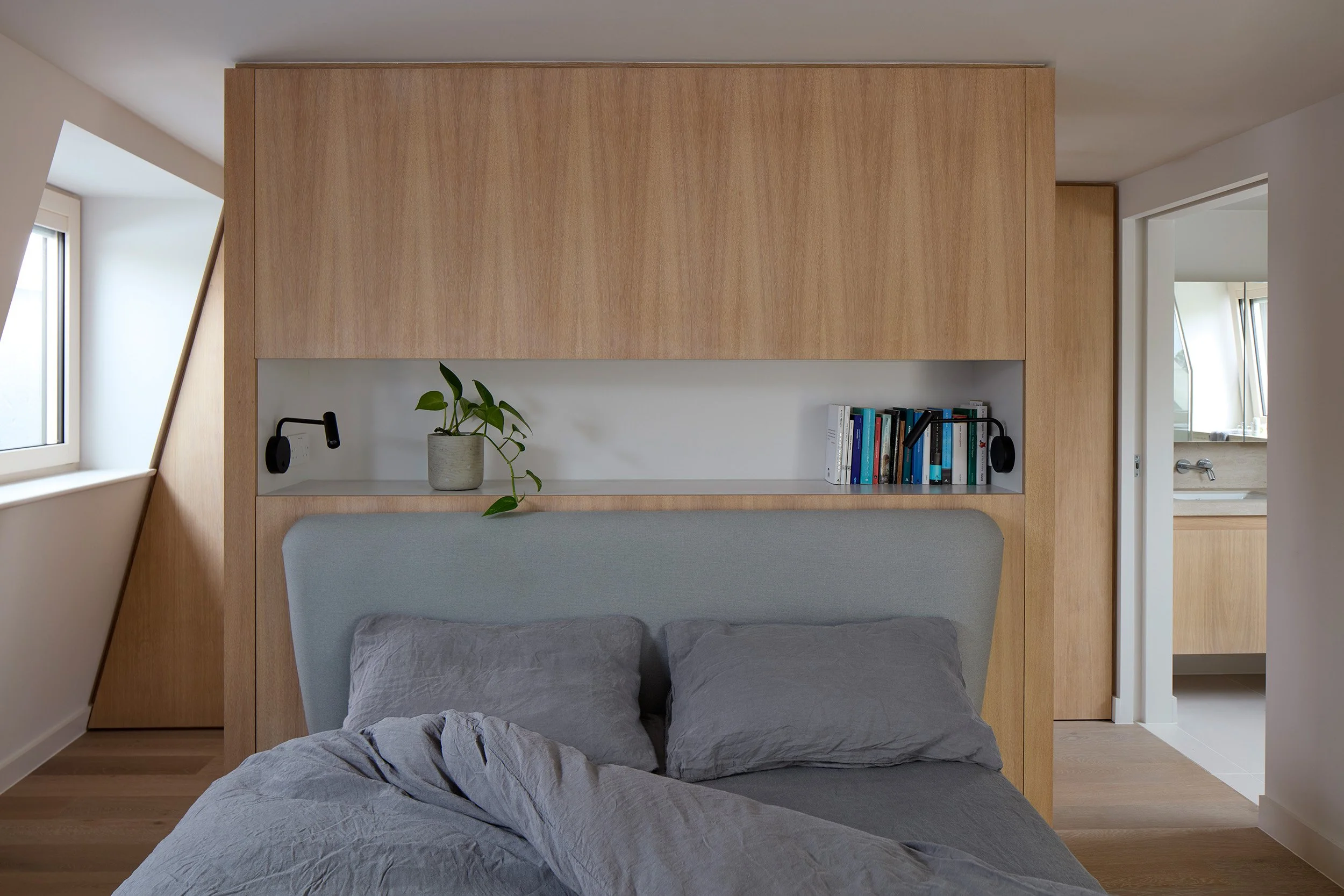
Lower Clapton, Hackney: the finished main bedroom suite at the top of the house. A well-designed loft extension can add space while improving comfort, light, storage and the way the whole home is used.
This is what good house extension design does.
It does not just add space.
It improves the way the whole home works.
A carefully judged decision
An extension is not something you simply choose.
It is a decision that reshapes how your home functions.
The best results come from stepping back, understanding the house as it is, and making careful, well-timed moves that improve it as a whole.
For most homeowners, the next step is not choosing a type of extension, but understanding what is possible for their specific home, and how these ideas translate into real design decisions.
That is where the right project begins.
Next Steps
For most homeowners, the next step is not choosing a type of extension, but understanding what is possible for their specific home, and how these ideas translate into real design decisions.
Our Home Visit and Appraisal is designed to give you that clarity early, so you can move forward with confidence.
It can help you understand what is worth pursuing, what may create problems, and what order decisions should happen in before you commit to a direction.
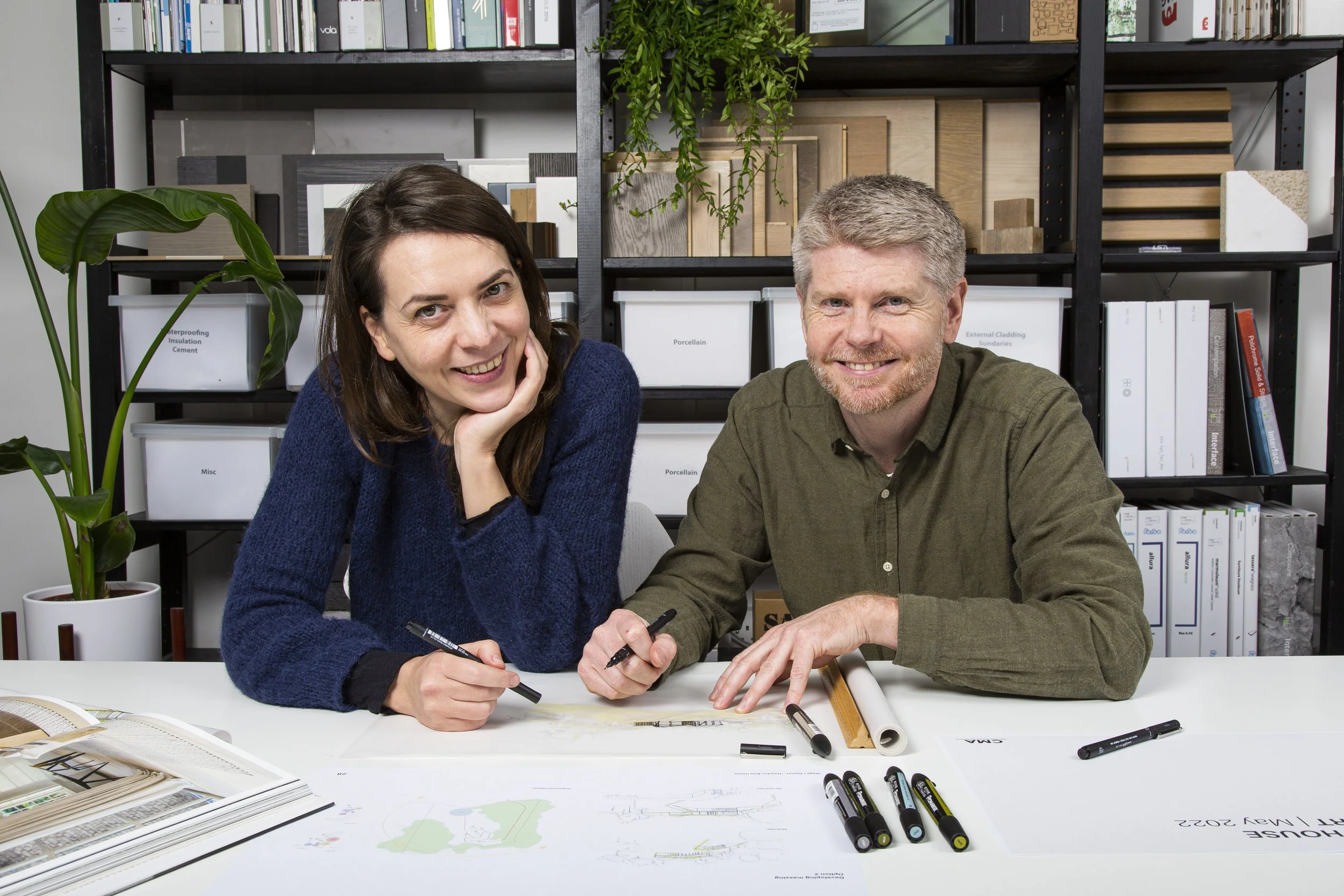
A carefully judged extension begins with understanding what is possible for your specific home. Studio CMA can help you test the options before committing to a design direction.