
When your home doesn’t quite work
Most people do not start with a grand plan.
They start by noticing the same small things, again and again.
The kitchen feels tight, even when it should not.
The middle of the house is always dark.
You are walking around furniture instead of through rooms.
There is nowhere obvious for things to go, so they gather where they can.
Nothing is obviously wrong. But the house does not quite support how you live.
This is usually where an interiors-led approach begins.
Within our wider considered whole-house approach, this is often the point where something starts to feel misaligned.
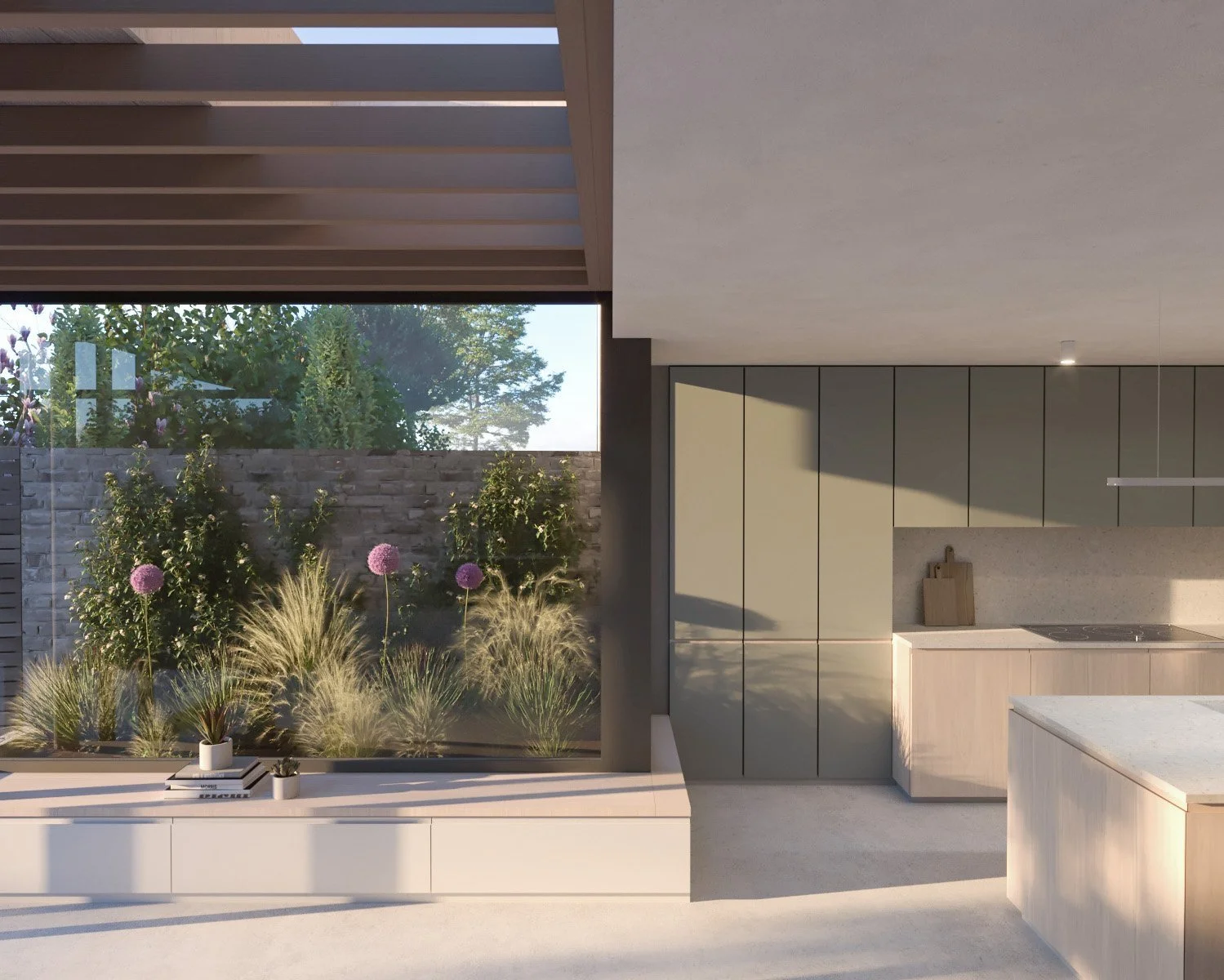
Planter House, Walthamstow: a calm, carefully organised interior where light, storage, movement and proportions work together. Interiors-led design is not about decoration first. It is about helping the home feel easier to live in.
What we mean by interiors
When we talk about interiors, we are not talking about decoration.
We are talking about how the home works from the inside:
how rooms connect
how you move through the space
what you can see from one room to another, and how spaces open up or close as you move through them
how light enters and spreads
the size and shape of each room
where things are stored and how they are used
These are architectural decisions.
They shape how the house feels to live in, how you move through it day to day, and whether it feels calm and intuitive or slightly awkward and unresolved, long before finishes or furniture are considered.
Starting with the homes we already have
Most of the homes we work on are the ones people already live in, often adapted over time but not always working as they should.
Often Victorian or Edwardian houses across London.
They tend to share similar issues:
long, narrow layouts with rooms in a line
dark central areas with little natural light
small back rooms used as kitchens
limited or poorly placed storage
layouts that no longer suit modern life
It is easy to assume the answer is to extend.
But extending without rethinking how the existing house works can introduce new problems, simply shifting where the pressure sits rather than resolving it.
In many cases, the problem is not a lack of space, but how the existing space is organised.
Sometimes an extension becomes part of the solution. You can read more about this in our approach to extensions and spatial reorganisation.
Sometimes it is not needed.
Often, a lot can be improved by reworking what is already there.
Opening up connections between rooms so light can travel further.
Adjusting proportions so spaces feel more balanced and usable.
Repositioning key elements like kitchens so they sit where the home naturally wants to gather.
Using existing space more carefully, rather than simply adding more of it.
These changes can transform how a home feels, without increasing its size.
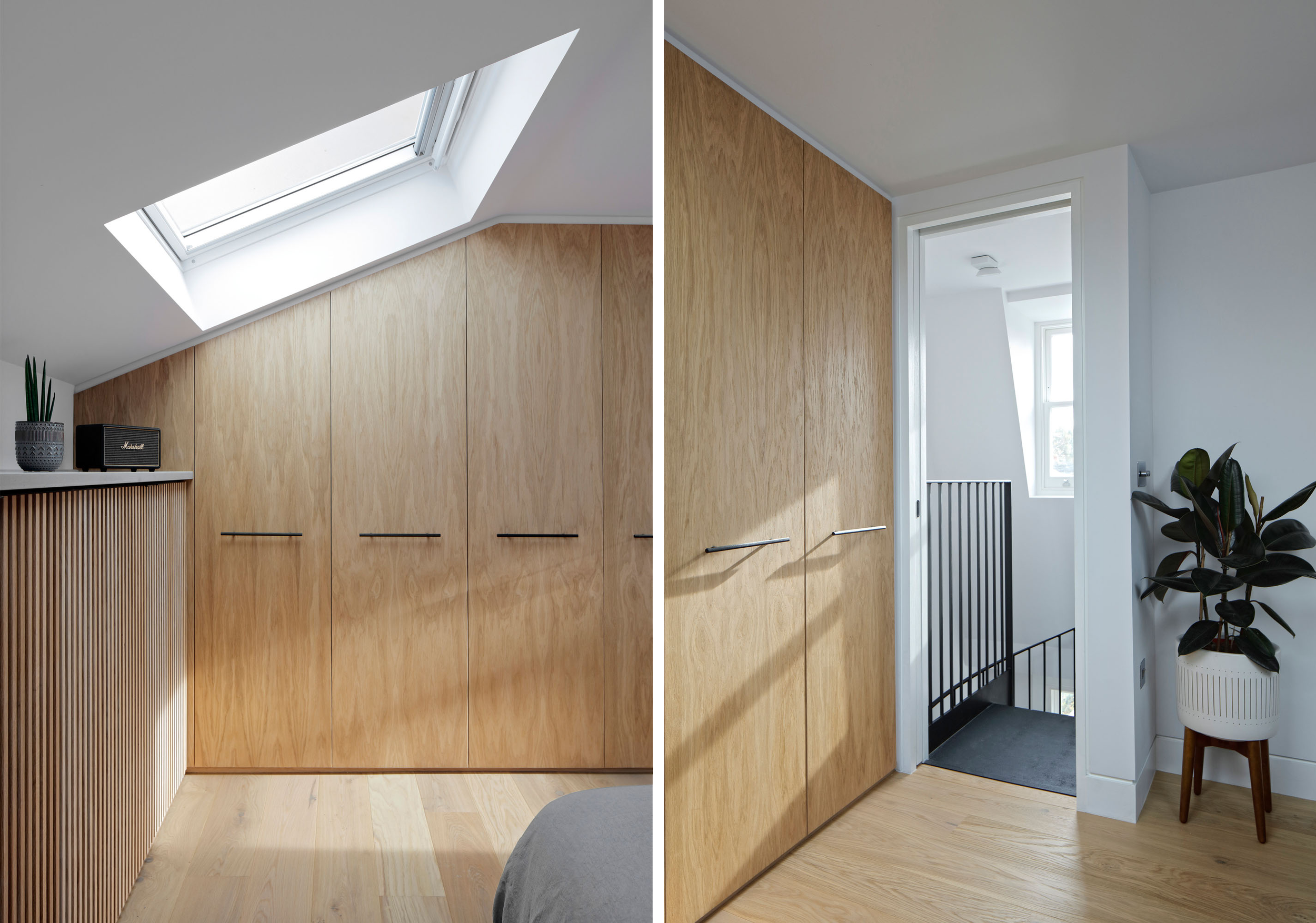
Prebend Street, Islington: bespoke oak joinery, borrowed light and careful storage help a compact loft bedroom feel calm, bright and connected. Good interiors are not just about finishes. They are about making the space work harder.
Looking at how you actually live
Every home is used differently.
So we start by understanding the reality of day-to-day life:
where you spend most of your time
how you move between rooms
what you tend to see as you pass through the house
where things tend to accumulate
which spaces feel good, and which feel difficult
From there, we test the existing layout.
Can movement feel more natural and less interrupted?
Can views through the house make spaces feel more connected and easier to understand?
Can natural light reach further into the plan, reducing reliance on artificial lighting during the day?
Can storage support daily routines so things are used, put away, and found again without effort?
Many of these questions relate to how daylight moves through a period home, how layouts can be reworked without extending, and how storage can be designed as part of the architecture rather than added later.
Sometimes the answer is a small adjustment.
Sometimes it is a more fundamental reorganisation.
But the aim is always the same. To make the home easier to live in.
When this is resolved, the house does not just work better. It feels easier to live in.
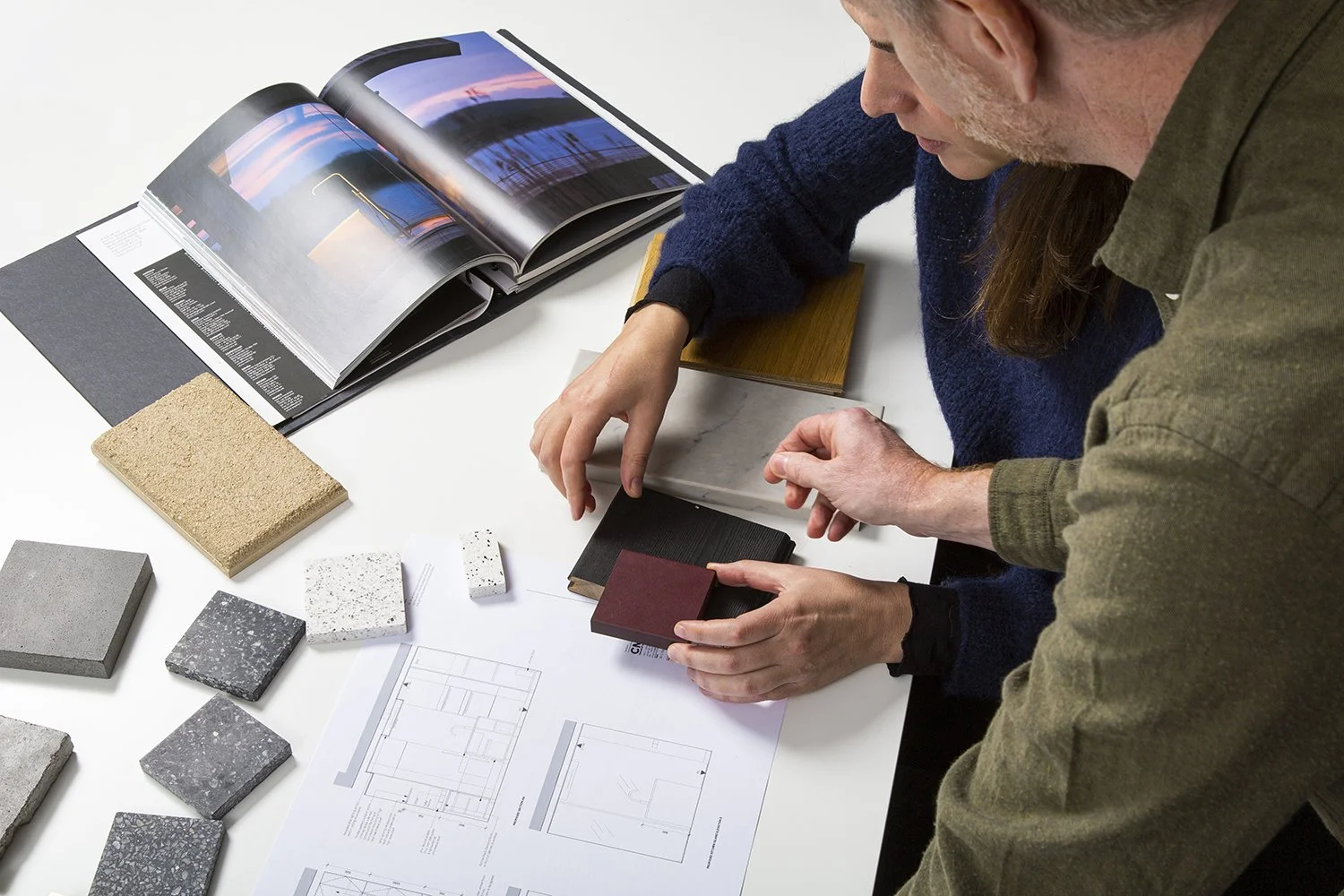
Choosing interior finishes is not just a styling exercise. Materials, texture, durability and light all affect how a home feels and performs day to day, especially when they are considered alongside layout, storage and movement.
Why this makes such a difference
When the internal layout works properly, the house becomes easier to use.
Movement through the home feels intuitive rather than negotiated.
Rooms have a clearer purpose, without needing constant adjustment.
Storage sits where it is needed, so everyday items settle naturally.
Light is shared more evenly, so spaces feel usable throughout the day.
You make fewer small decisions about how to use the space.
The result is not dramatic, but it is noticeable. A home that feels calmer, clearer, and easier to live in.
Working within real constraints
Changes to the interior are always connected to the wider building.
Moving walls may affect structure.
New openings change how light and warmth behave.
Older homes often have limits that need to be understood rather than forced.
In some cases, improving comfort also involves upgrading parts of the building, such as insulation or ventilation, so rooms feel warmer, drier and more consistent to use day to day.
These are not separate from the interior. They directly affect how the space feels to live in. This connects to our approach to retrofit and building performance.
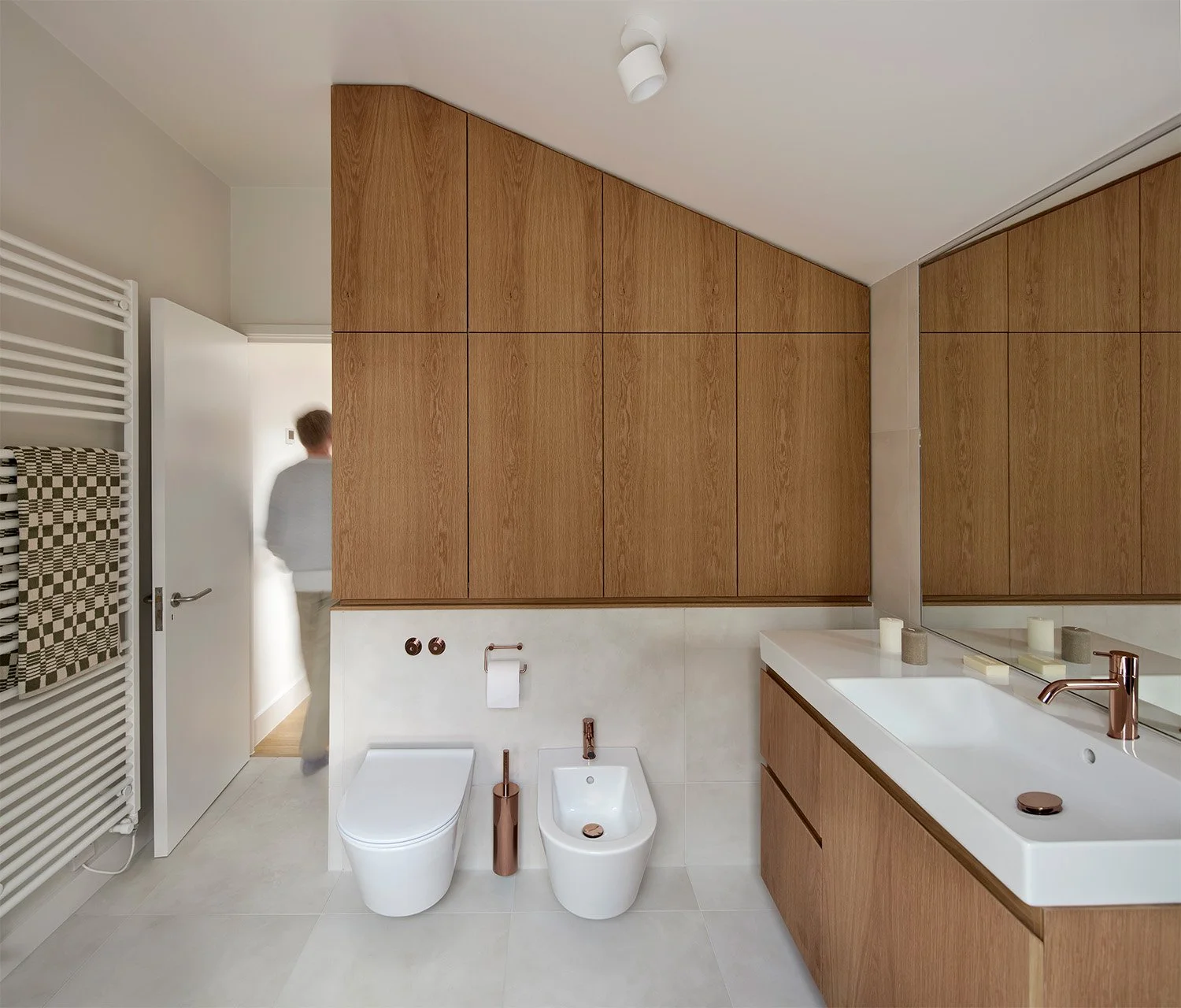
Lower Clapton, Hackney: a bathroom designed as part of a whole-house retrofit and loft extension. Built-in joinery, natural materials and careful planning help the space feel calm, practical and easy to use.
What interiors can and cannot do
Reworking the interior can achieve a great deal.
It can improve how rooms connect, how light moves through the house, and how storage supports daily life.
But it has limits.
If there are underlying issues with the building, such as damp, insulation or structure, these need to be addressed alongside the layout.
A steadier way to move forward
If your home feels awkward, dark, or difficult to use, it is often a sign that the internal organisation needs attention.
Starting from the inside helps bring clarity.
You can see what is working, what is not, and how space could be used more effectively day to day.
That leads to better decisions, and a home that feels calmer, clearer and easier to live in.
This forms part of a wider whole-house approach, where layout, performance and use are considered together rather than in isolation.
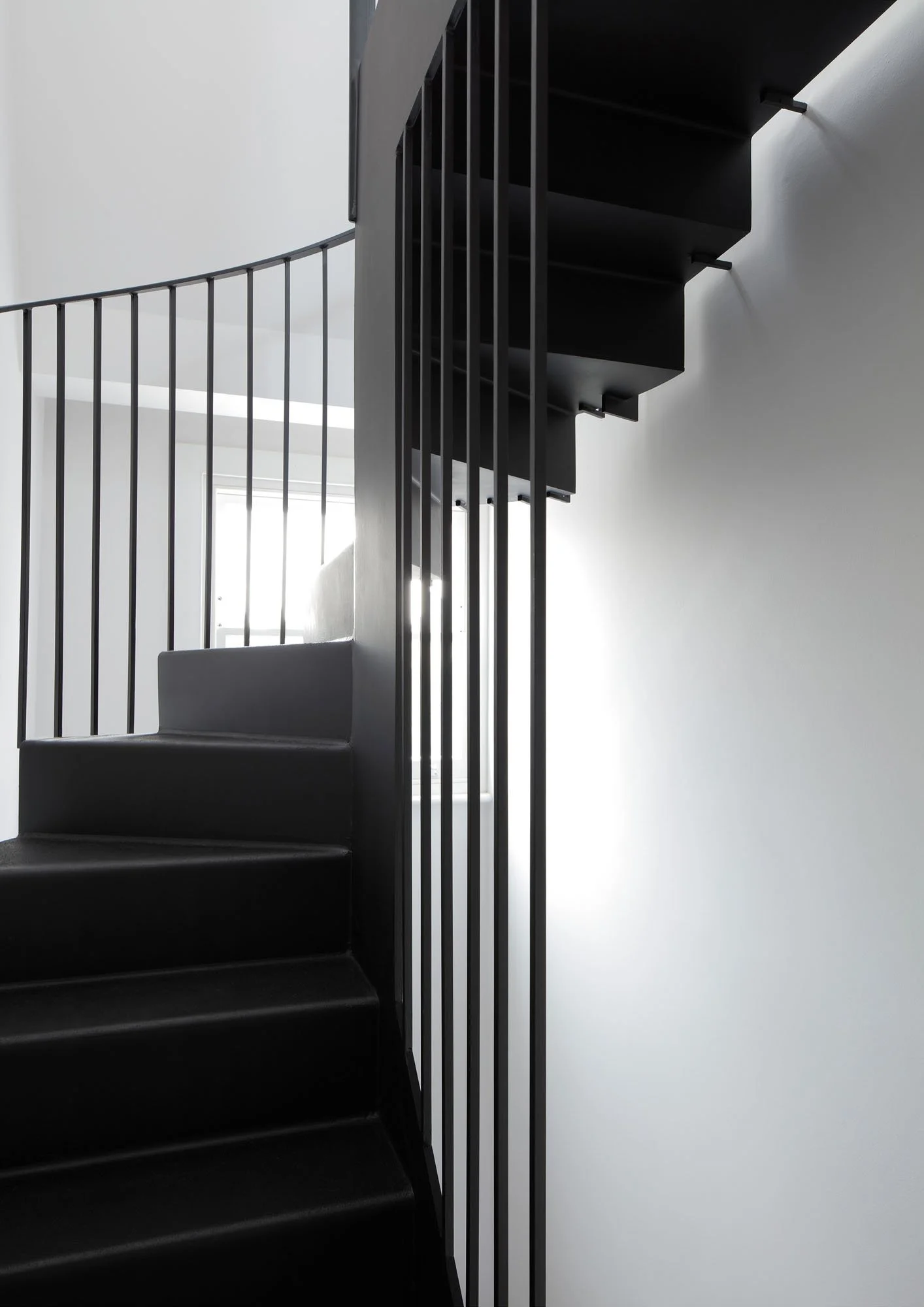
Prebend Street, Islington: a compact loft stair where movement, light, safety and character are resolved together. Interiors often work best when circulation is treated as part of the architecture, not just a route between rooms.
Taking the next step
If you are starting to think about how this might apply to your own home, the next step is to see how these ideas are worked through in practice.
→ See how this approach is applied to a home like yours
If you'd like to explore whether a similar approach could work for your home, you can also arrange an initial consultation.
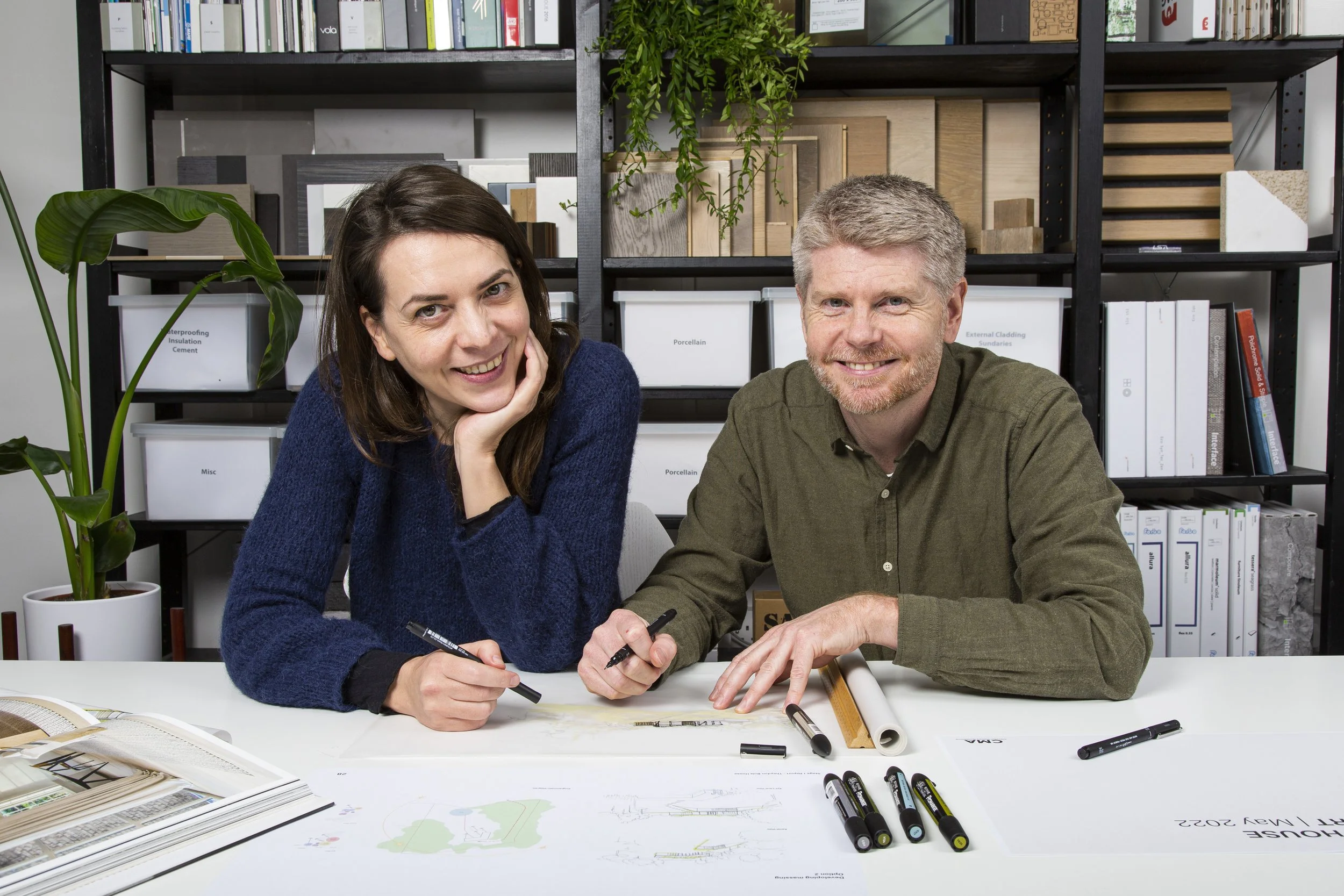
Interiors-led design starts with understanding how you actually live. Studio CMA can help you test layout, light, storage and comfort before committing to larger decisions.