
Home Retrofit: How to Improve Comfort, Energy Use, and Long-Term Performance
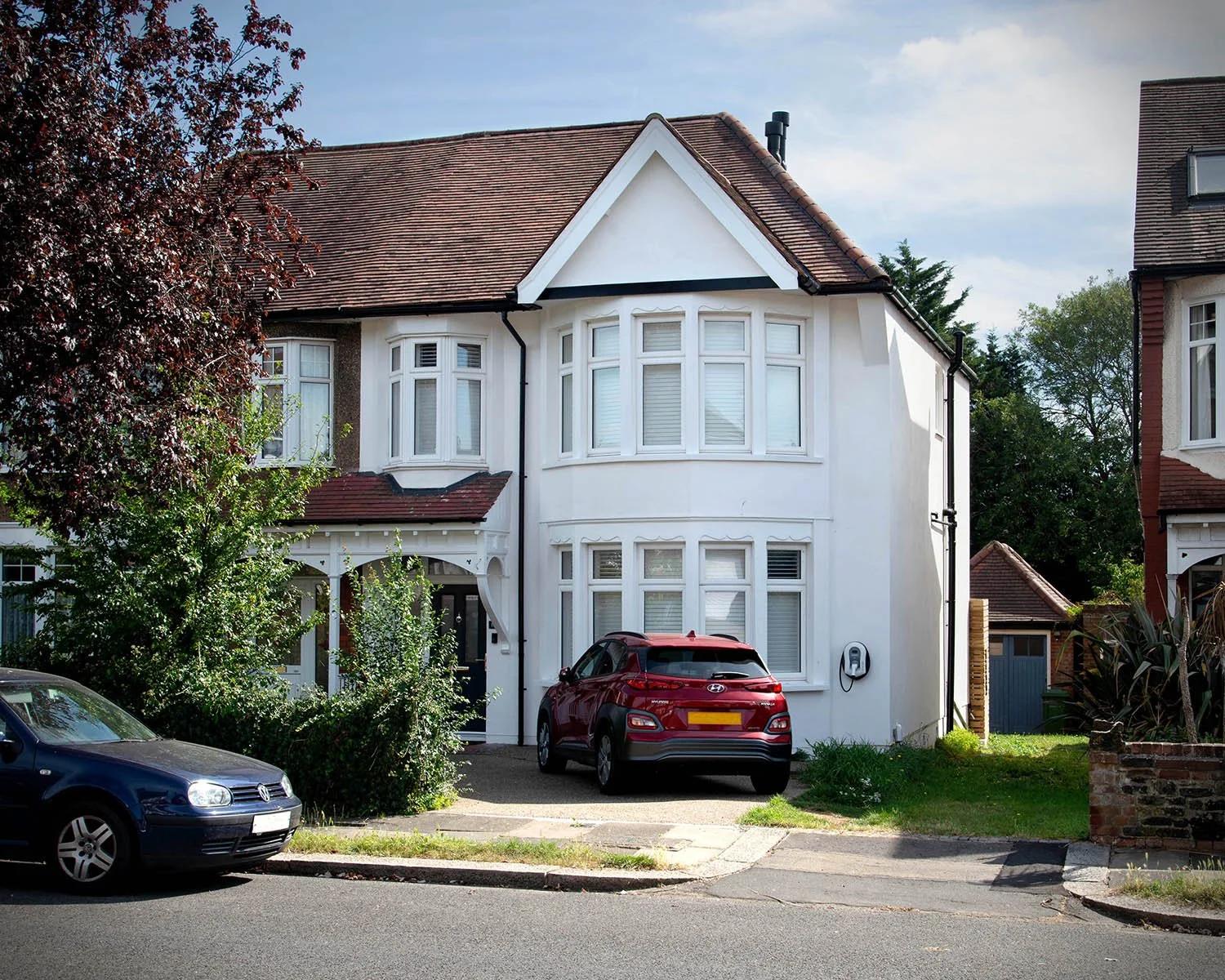
A successful retrofit brings the whole home into balance: insulation, ventilation, heating, comfort and long-term performance working together.
A clear way to improve comfort, reduce energy use, and avoid costly mistakes
Most home improvement projects begin with a problem.
Your house may feel cold in winter and hard to heat.
It may overheat in summer.
You might be seeing condensation, or rising energy bills that don’t seem to match the size of your home.
Or you may be planning a renovation and wondering what to do first.
These decisions often seem straightforward. Add insulation. Replace windows. Upgrade the heating.
The problem is not the individual choices. It is how they interact once they are installed.
Done in the wrong order, they can create new issues rather than solving existing ones, and those problems are often expensive to undo.
This is where home retrofit begins, as part of a wider approach to designing and improving your home.
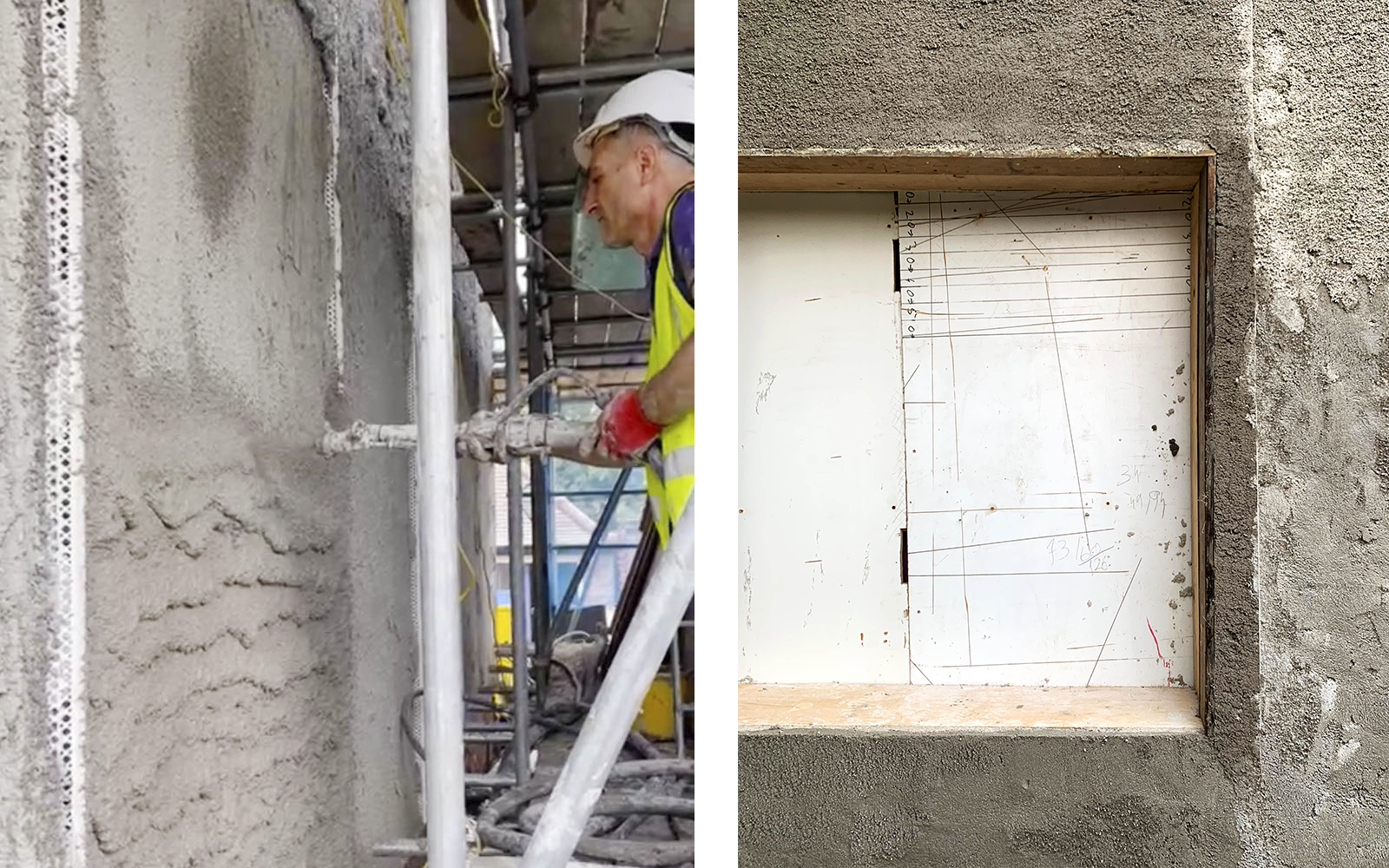
Window reveals and junctions are often where heat loss and condensation risks appear first, which is why insulation and ventilation need to be considered together.
What is a home retrofit, and why does it matter?
A home retrofit is about improving how your home performs, not just how it looks.
It affects how your home:
retains heat
manages fresh air
deals with moisture
feels to live in every day
In simple terms, retrofit means changing how a building operates. If you want a deeper explanation, you can read our guide to what retrofit means in practice.
Most older homes in the UK, particularly Victorian and early 20th century properties, were not designed for modern expectations of comfort or energy use. This is especially true when retrofitting a Victorian home, where construction and materials behave very differently.
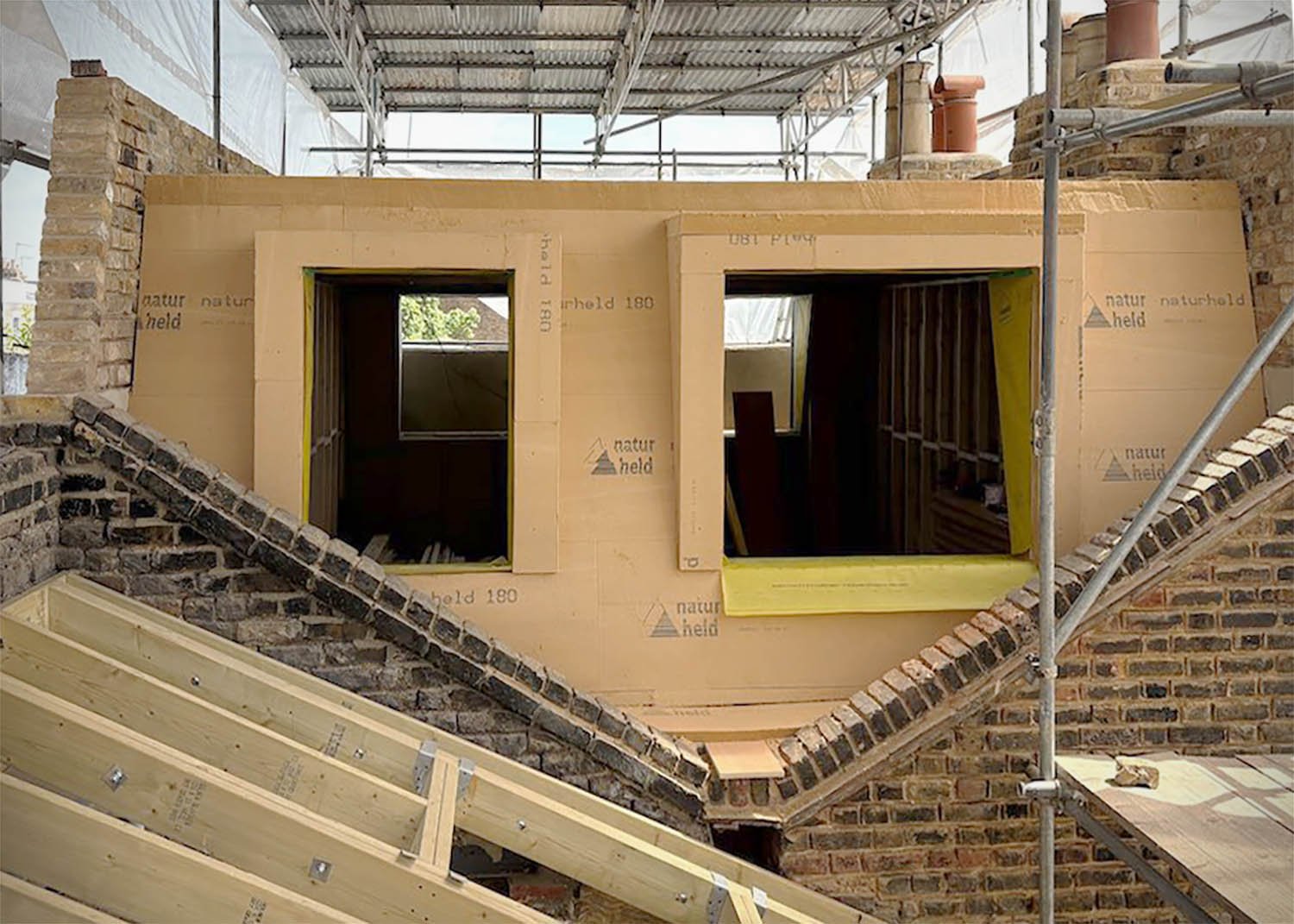
Retrofit is about improving the building fabric itself, so the home retains heat better and feels more stable through the seasons.
Why retrofit projects often go wrong
Many upgrades are done in isolation.
New windows
More insulation
A new heating system
Each can make sense on its own. The problem is how they interact once installed.
Insulation without ventilation can trap moisture
Heating systems installed too early can cost more to run
Poor sequencing can lock in decisions that are difficult to undo
Many of these issues come from poor sequencing and are explored in more detail in our guide to common retrofit mistakes to avoid, as well as in understanding whether your home is ready for a heat pump.
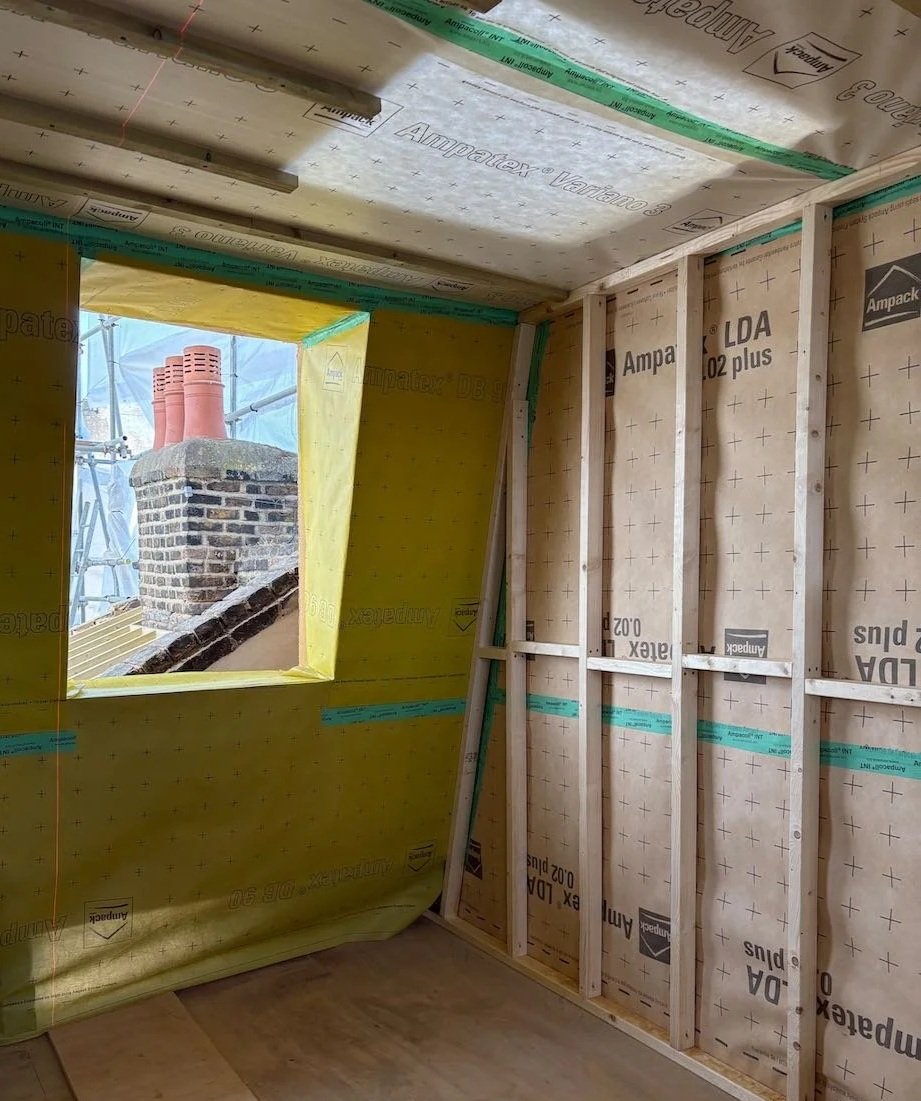
Once insulation and airtightness improve, ventilation has to be designed deliberately. Otherwise, moisture and stale air can become trapped inside the home.
Why a whole-house approach matters in retrofit
Every home already works as a system.
Walls, floors, roofs, windows, and ventilation all interact.
When one part changes, the effects are felt elsewhere.
A whole-house approach means:
understanding how the building works first
testing decisions before committing to them
making changes in the right order
This is often described as a fabric-first approach to retrofit, where the building itself is improved before adding new systems.
It also requires careful attention to ventilation in retrofit and how moisture affects building performance over time.
This leads to:
more stable temperatures
better air quality
lower energy use
fewer unintended problems
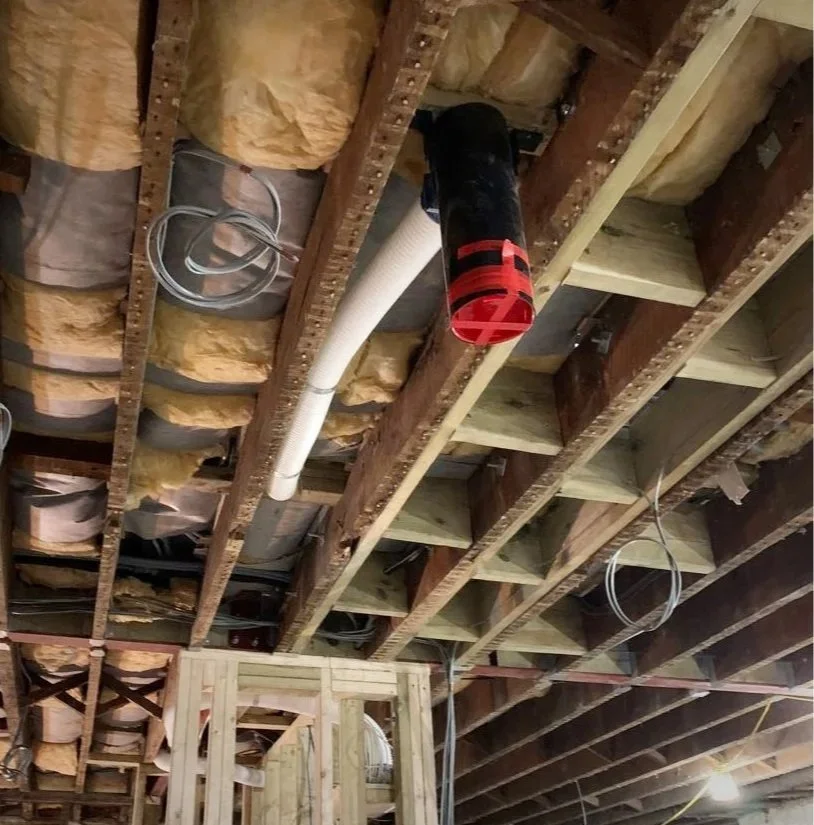
A whole-house retrofit means coordinating structure, insulation, ventilation and services before finishes go back in.
Choosing the right level of retrofit for your home
Not every home needs a full transformation.
Most projects sit somewhere along a spectrum.
Light Retrofit: Small changes with immediate impact
Small, targeted improvements such as draught-proofing, glazing upgrades, and localised insulation.
For many homes, a light retrofit approach can deliver meaningful improvements with relatively low disruption and cost.
AECB Retrofit: A balanced whole-house upgrade
A coordinated approach that improves insulation, airtightness, and overall building performance.
For many projects, an AECB retrofit approach offers a practical route to better performance without the complexity of deeper standards.
EnerPHit Retrofit: Deep retrofit for existing homes
A more ambitious retrofit approach based on Passivhaus principles.
An EnerPHit retrofit approach focuses on significantly reducing energy demand while carefully managing heat loss and moisture risk.
Passivhaus: The highest level of performance
The most advanced level of building performance, delivering very low energy demand, stable temperatures, and exceptional comfort.
For the most ambitious projects, a Passivhaus retrofit approach can deliver outstanding long-term performance.
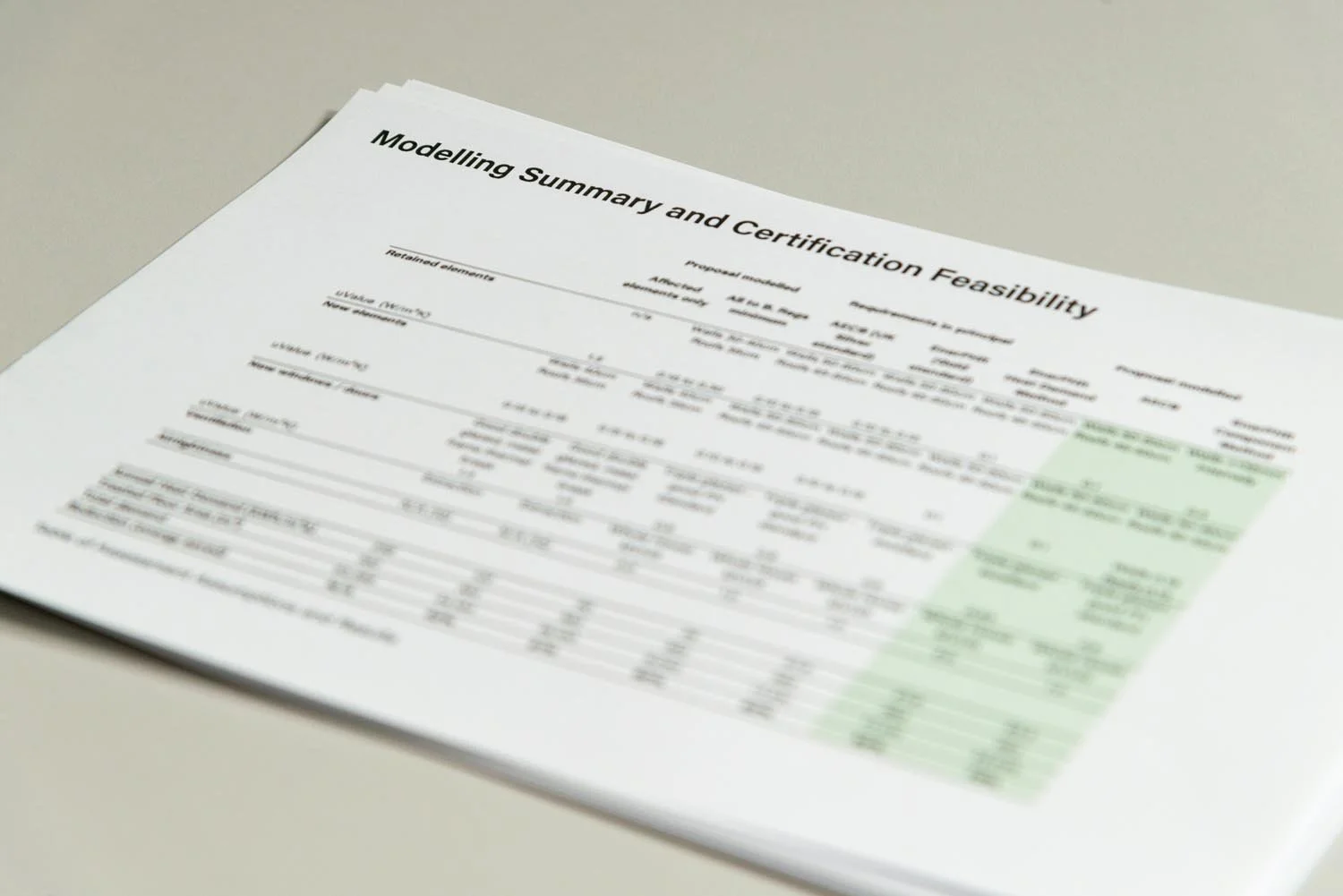
The right level of retrofit depends on the building, the budget and the long-term goal. A strategy helps test those choices before construction begins.
Retrofit is about direction, not perfection
A successful retrofit is not about reaching a perfect standard.
It is about:
moving your home in the right direction
making decisions that work together
avoiding changes that create problems later
Even modest improvements can make a significant difference when they are properly planned, particularly when considering upgrades like insulation, as explored in how to insulate a period London home.
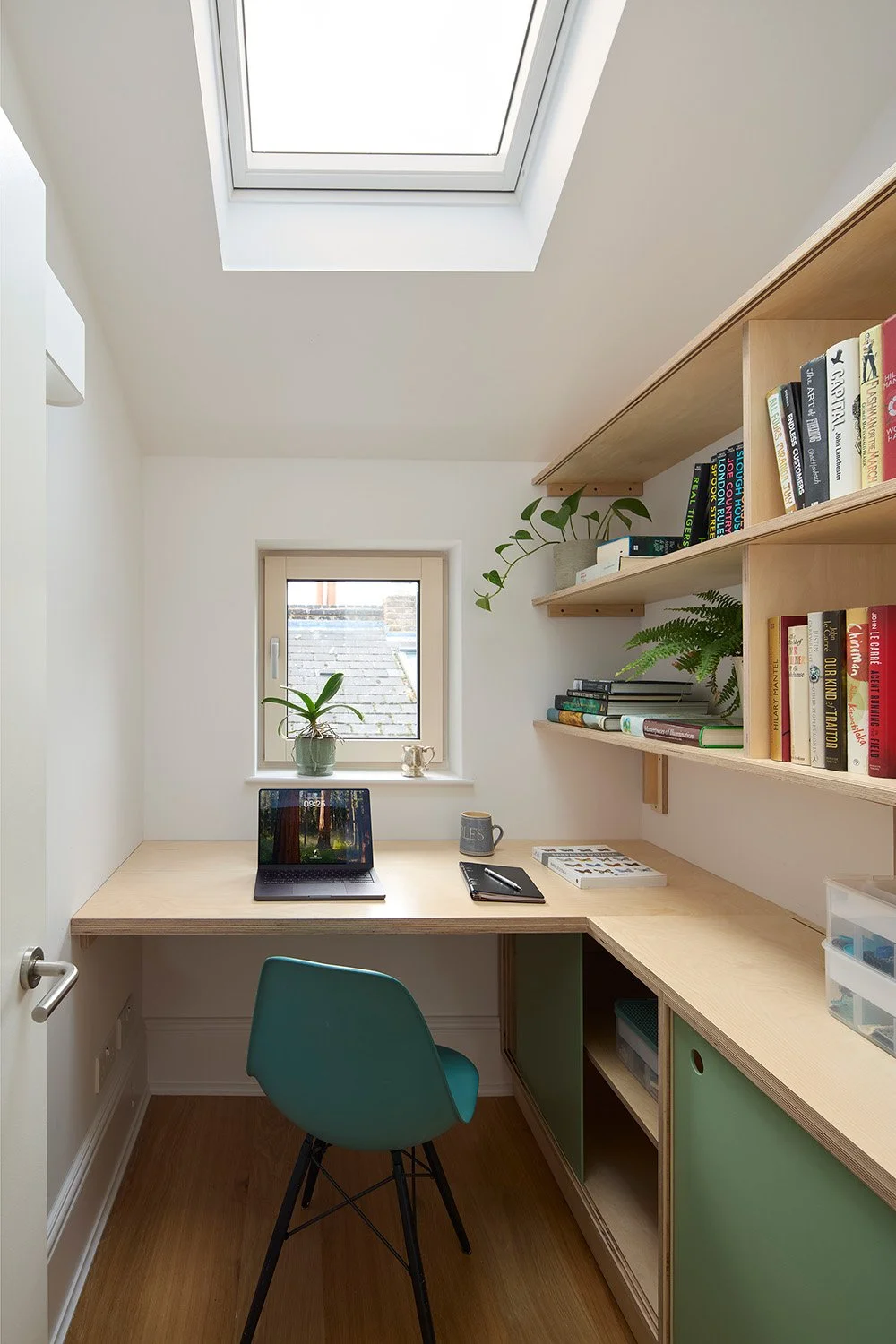
“I no longer have to wear three sweaters when working from home.” - Client
Retrofit does not have to mean chasing perfection. Well-planned improvements can make an older home warmer, calmer and easier to live in.
How retrofit affects your whole home
Retrofit does not sit in isolation.
It affects:
how spaces feel
how materials perform
how extensions are designed
how your home evolves over time
This is why retrofit thinking often sits alongside decisions about layout and long-term use, including home extensions, interiors and material design, and the wider design and delivery process.
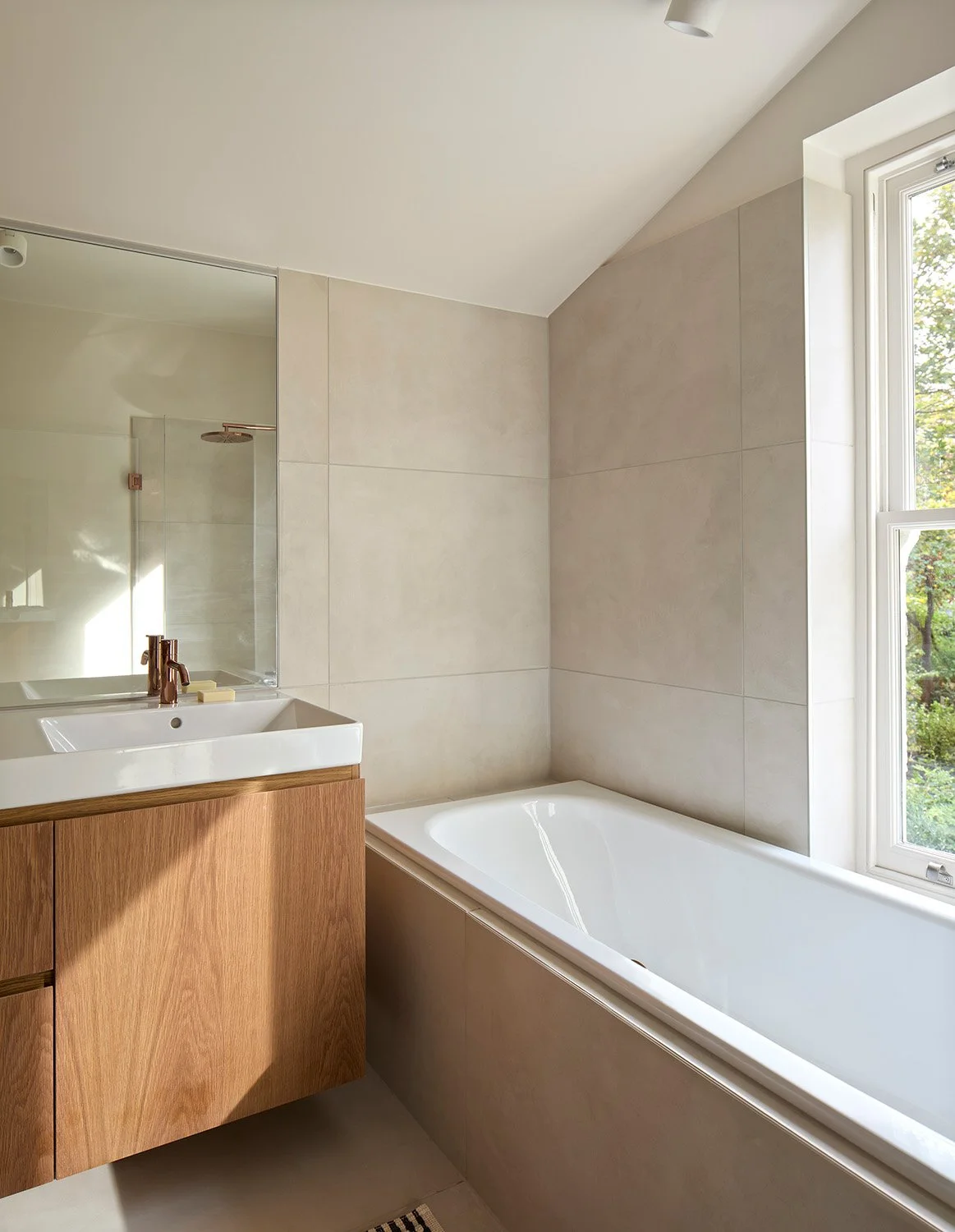
Retrofit affects more than energy use. It changes how rooms feel, how materials perform and how comfortably the home works day to day.
Where to start with your home retrofit
Most homeowners don’t need more information.
They need a way to decide.
A Retrofit Strategy helps you understand:
how your home performs today
what improvements will make the biggest difference
how to approach the project in the right order
Working with a retrofit architect in London to define a clear strategy allows these decisions to be tested before anything is built, reducing risk and helping you move forward with confidence.
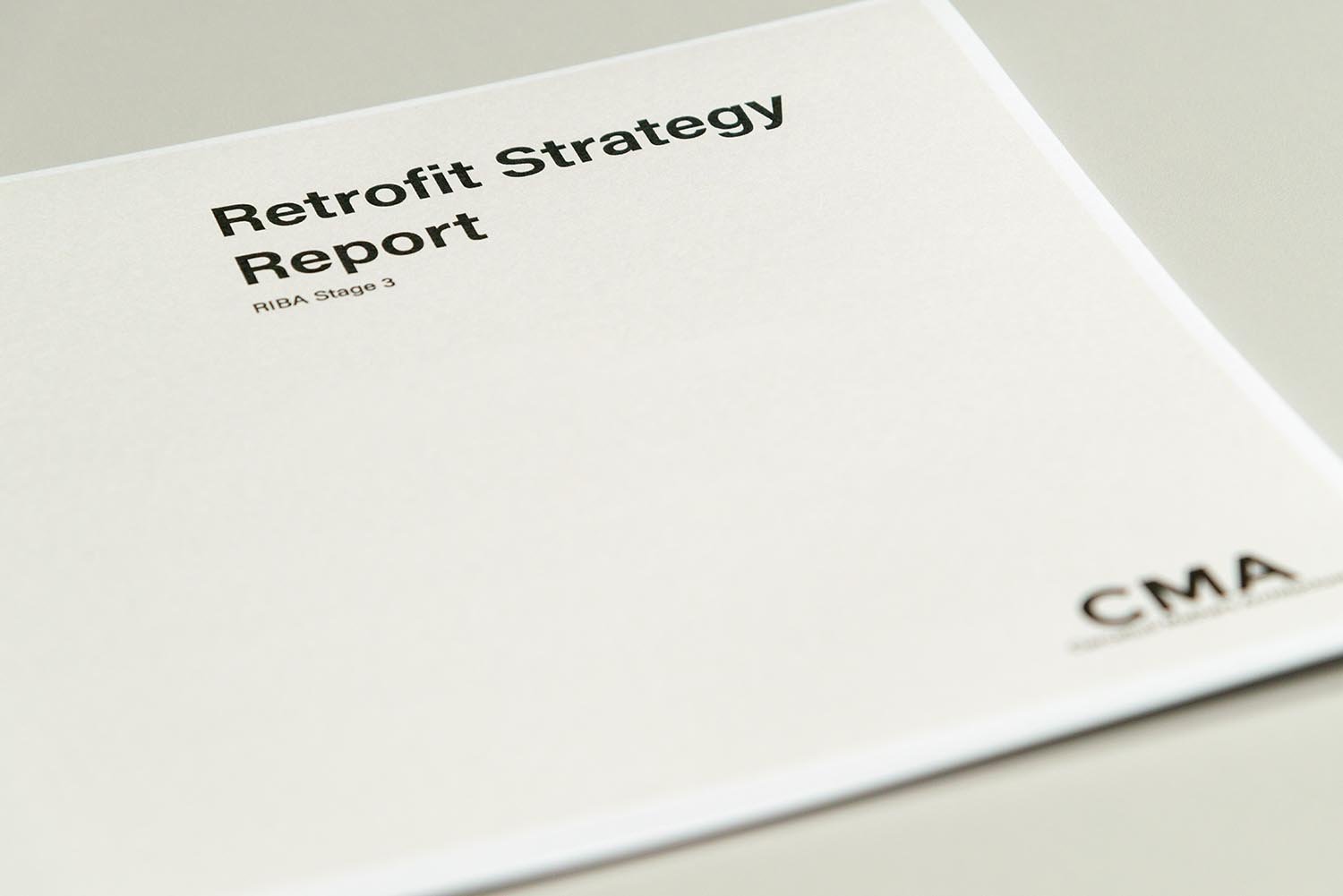
A Retrofit Strategy gives you a clear route through the decisions, so insulation, ventilation, heating and budget are considered in the right order.
Start with understanding, not assumptions
The difference between a successful project and a problematic one is rarely the idea.
It is whether the decisions were made with a clear understanding of how the house works.
That is what retrofit provides.
Further reading

Speak to Studio CMA about planning a clearer, lower-risk retrofit strategy for your London home.