
Our Story
Two perspectives. One shared ambition: to make your home better.
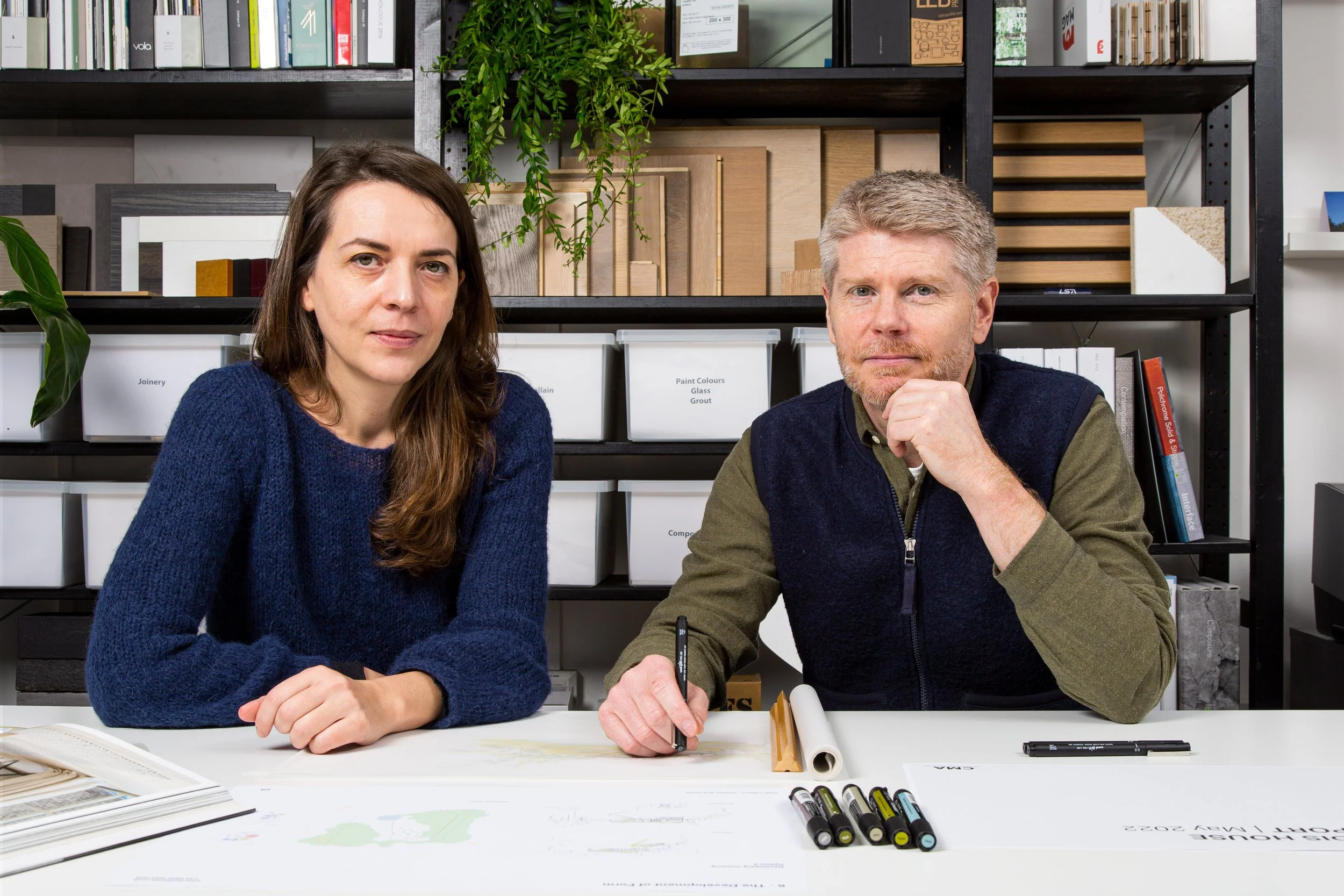
We're Daniela and Greg, the husband-and-wife team behind Studio CMA.
We met while studying architecture in Italy in 2000. More than 25 years later, we're still designing together, still questioning each other's ideas, and still asking the same basic question:
How could this be better?
For us, making a home better isn't simply about how it looks.
It should work better for the way you live. It should feel good to move through. Light, materials and proportions should feel considered. And the decisions behind it should make sense too: how it's built, how comfortable it will be, what it costs and how well it will serve you over time.
We want your home to feel special.
But above all, we want it to feel right.
Two perspectives, one conversation
We've never divided architecture into the creative bit and the practical bit.
We're both designers, and we both care about how things are made. We simply tend to approach some questions from different directions.
Daniela focuses particularly closely on the experience of a home: how rooms relate, how proportions feel, where the light comes from, how materials work together and how architecture and interiors can make everyday life feel easier and more enjoyable.
Greg is particularly interested in what design decisions imply: how the existing building works, how something will be constructed, what it will cost, how it will perform and whether today's solution will still make sense years from now.
There's plenty of overlap.
That's the point.
Looking at the same problem from different directions helps us challenge assumptions, test ideas and arrive at decisions we can both stand behind.

Daniela Ciarcelluti
Design Director
One of the things I enjoy most about designing is discovering that the obvious answer isn't necessarily the right one.
I like understanding what's really behind a client's brief, exploring alternatives and seeing how the constraints of an existing building can begin to shape the design.
I'm particularly interested in the things you may not consciously notice when a home works well: the right light, the right proportions, how spaces connect, where things belong and how materials feel.
The aim isn't necessarily a “wow effect”.
Sometimes the greater achievement is that the finished home simply feels right, as though it couldn't sensibly have been done another way.
And however strongly I might feel about a design, I try to remember something very simple:
it's your home.
My job is to bring ideas, experience and judgement, and sometimes to challenge you. But I'm not interested in imposing my taste on the way somebody else should live.
Before Studio CMA, I studied and worked internationally across homes, listed buildings and large multidisciplinary projects, from early design through technical development and coordination.
I'm an ARB-registered architect and a member of the RIBA.
That experience reinforced something I still believe: good design doesn't happen in isolation from practical or technical reality. Very often, the constraints are what lead you towards the better answer.

Greg Mathers
Managing and Technical Director
I've been interested in architecture since I was about 12, but for me it has always been connected with making things and understanding how they work.
My grandfather was a builder, inventor and constant tinkerer, always making things, taking them apart and finding better ways to do them. I think I still look at problems in much the same way.
As a teenager, I'd buy the American house-plan books sold at the pharmacy where I worked after school. I'd take them home and spend evenings in my bedroom redrawing the houses because I thought I could make the plans work better.
An architect happened to work in the same building. That eventually led to work experience and a summer job in his practice.
Architecture has been part of my working life ever since.
I've never really separated designing something from understanding how it will be made. Materials, construction and performance aren't things you work out after the architecture. They're part of it.
Neither is my interest in existing buildings particularly new. My Master's research explored how new uses could bring life back to depopulated medieval hill towns in Abruzzo. Later, in Italy, I was project leader on the design of a private home within a 17th-century convent.
Today I bring those interests together in our work with existing homes, building performance and retrofit. I also qualified as a Certified Passive House Designer.
To me, they're all part of architecture.
How Studio CMA began
We didn't have a grand plan to start a practice together.
We were entering design competitions and working on ideas together when projects of our own began to appear. We took them on, and Studio CMA grew from there.
We wanted the independence to test our own ideas and do work we believed in.
Over the years, what we want from the practice has become quite simple:
to do good work with people who care about doing it well.
That's particularly important when you're designing someone's home. The decisions are personal, the investment is substantial and the consequences of getting them right — or wrong — can be lived with for years.

Starting with what is already there
With an existing home, you're never starting from scratch.
That's part of the attraction.
There may be original details worth keeping alongside alterations that no longer work. Things that look fine may perform badly. Awkwardnesses can sometimes reveal unexpected possibilities.
You have to understand what you've inherited before deciding what to change.
We don't believe improvement automatically means adding more, replacing everything or making the architecture more conspicuous.
Sometimes a substantial intervention is right.
Sometimes a few careful changes can transform the way a home works.
What matters is that every intervention has a reason to be there.
It's your home. We'll tell you what we think.
We've been around architecture long enough to have strong opinions. It wouldn't be particularly useful to you if we kept them to ourselves.
We'll tell you when we think something could work better, when a simple-looking decision has consequences you may not have considered, or when we don't think something is worth the money.
But there isn't always one correct architectural answer. Sometimes several choices are reasonable.
Our job is to bring experience and judgement, explain the consequences clearly and make a recommendation when we think one is warranted.
Then you can make an informed decision about your home.
The best projects come from that combination of professional judgement and mutual trust: you know we'll tell you what we think, and we know we can have an open conversation about it.
Experience brought home
We've worked across very different kinds and scales of architecture over the course of our careers.
That experience gave us breadth. Studio CMA has given us focus.
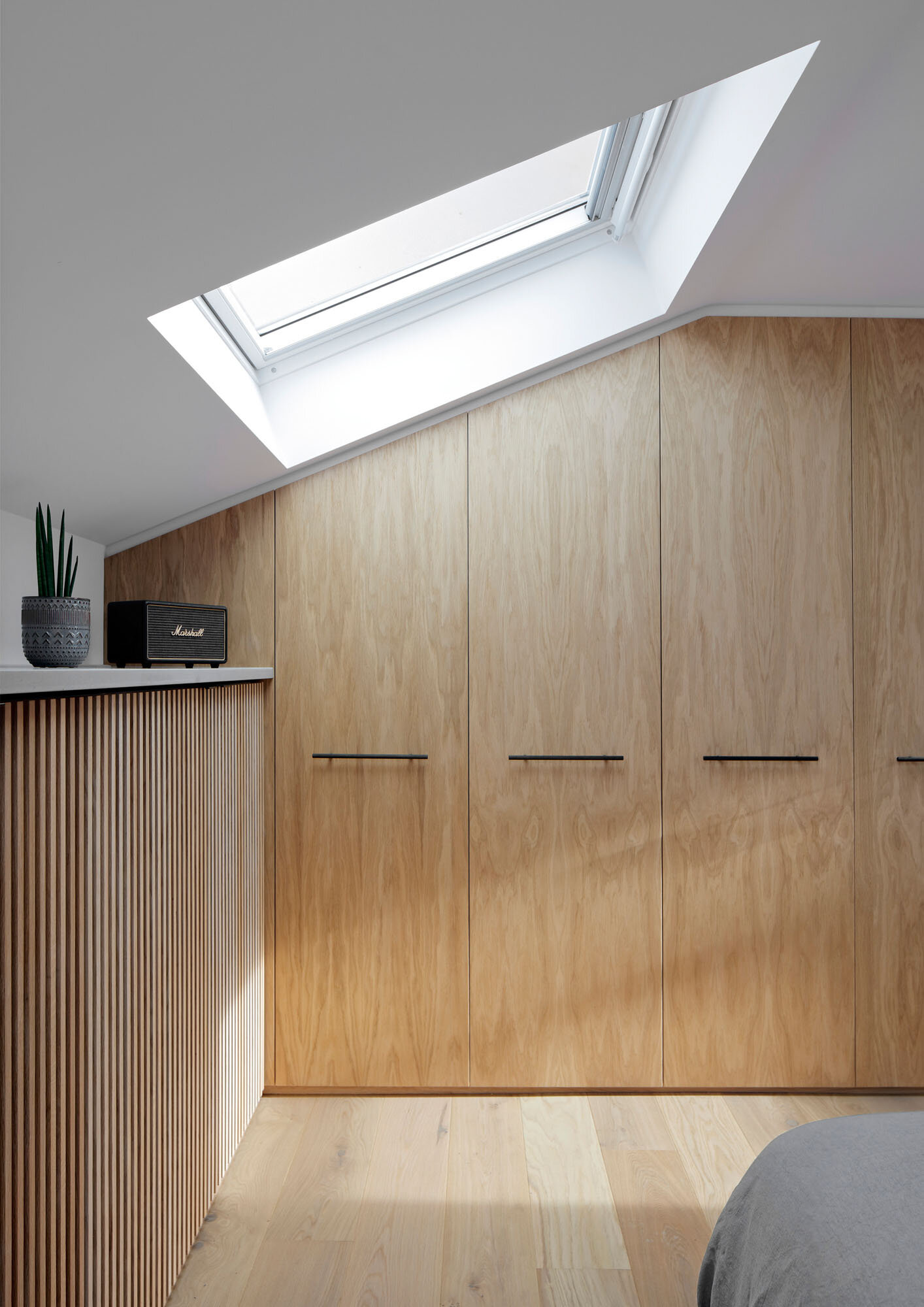
Since 2011, we've concentrated increasingly on period and existing homes in London — bringing together architecture, interiors, existing fabric and building performance to help homeowners make good decisions about how their homes should change.
“The design considered practicality and spatiality in detail... these are the sorts of things that you would not think about looking at a drawing but make a big difference living in the space.”
— François and KirstinThinking about changing your home?
You don't need to have everything worked out before you contact us.
Tell us about your home, what's not working and what you're hoping might be possible.
We'll review your project and help you understand the most useful next step.