
Architectural Interiors for London Homes
Why interiors need to be designed as part of the architecture, and when a bespoke approach makes sense
Most homes do not fail in obvious ways
They fail quietly, over time.
A kitchen that works on its own, but not with the rest of the house.
Storage that never quite fits, so things begin to spill into view.
Lighting that is resolved late, leaving rooms uneven or flat.
Nothing is fundamentally wrong.
But the house does not feel resolved.
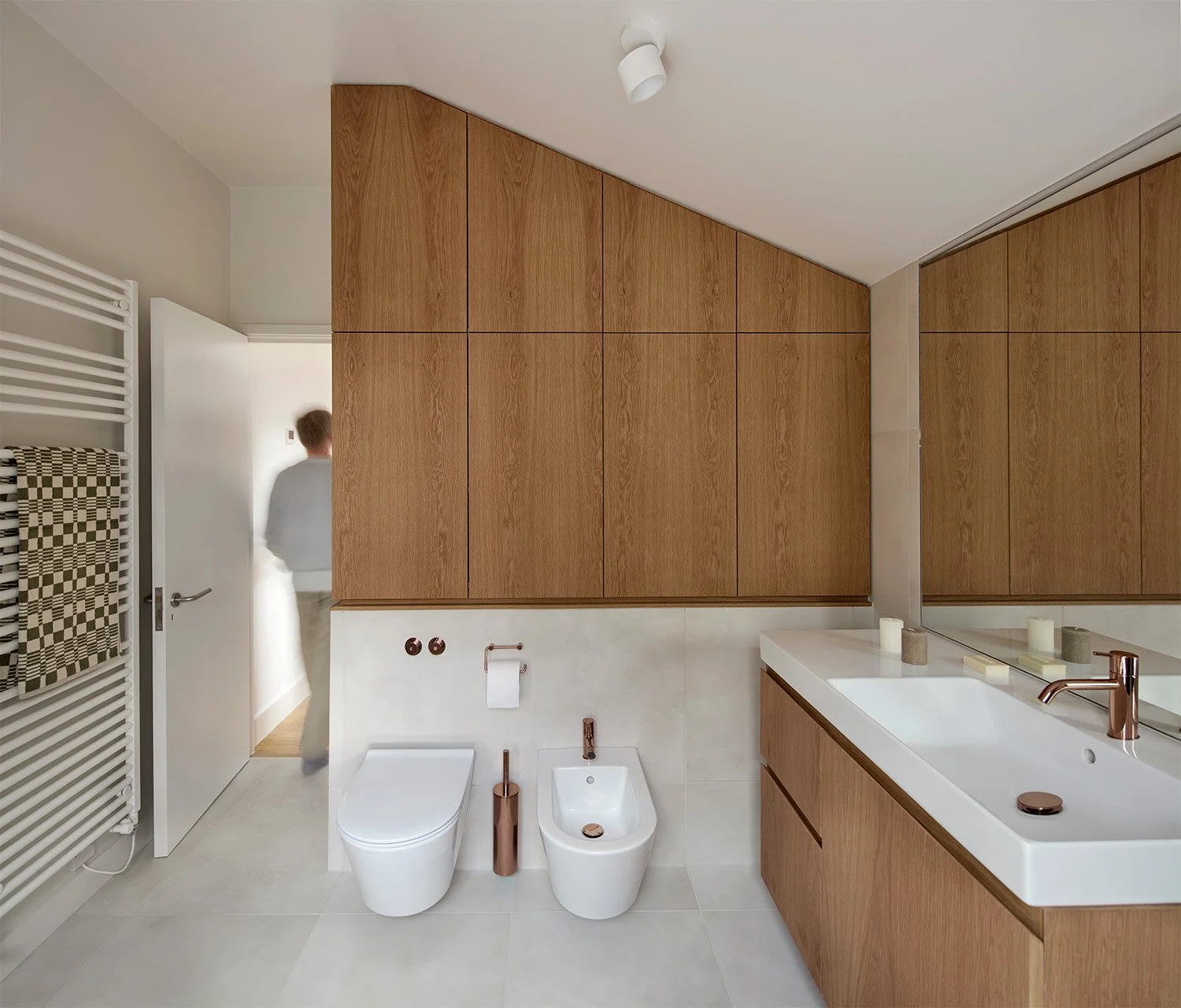
Why this happens
These issues come from treating interiors as separate from the architecture.
Kitchens are designed in isolation.
Joinery is introduced later.
Lighting is resolved once everything else is fixed.
Each decision makes sense on its own.
But together, they do not align.
Our approach
At Studio CMA, we design from the inside out.
That means resolving how the home works before finalising how it looks:
how rooms connect
how light moves through the space, including how to improve natural light in period homes
where things are stored and how storage design in period homes is integrated
how each space is used day to day
These are architectural decisions.
They shape how the home works and how it feels, long before finishes or furniture are introduced.
A home designed this way feels calmer, more coherent, and easier to live in, because the underlying decisions are aligned.
We work on London homes where bespoke joinery, kitchens and bathrooms need to be designed as part of the architecture, not added later.
If you would like a broader view, you can explore our architectural interiors approach.
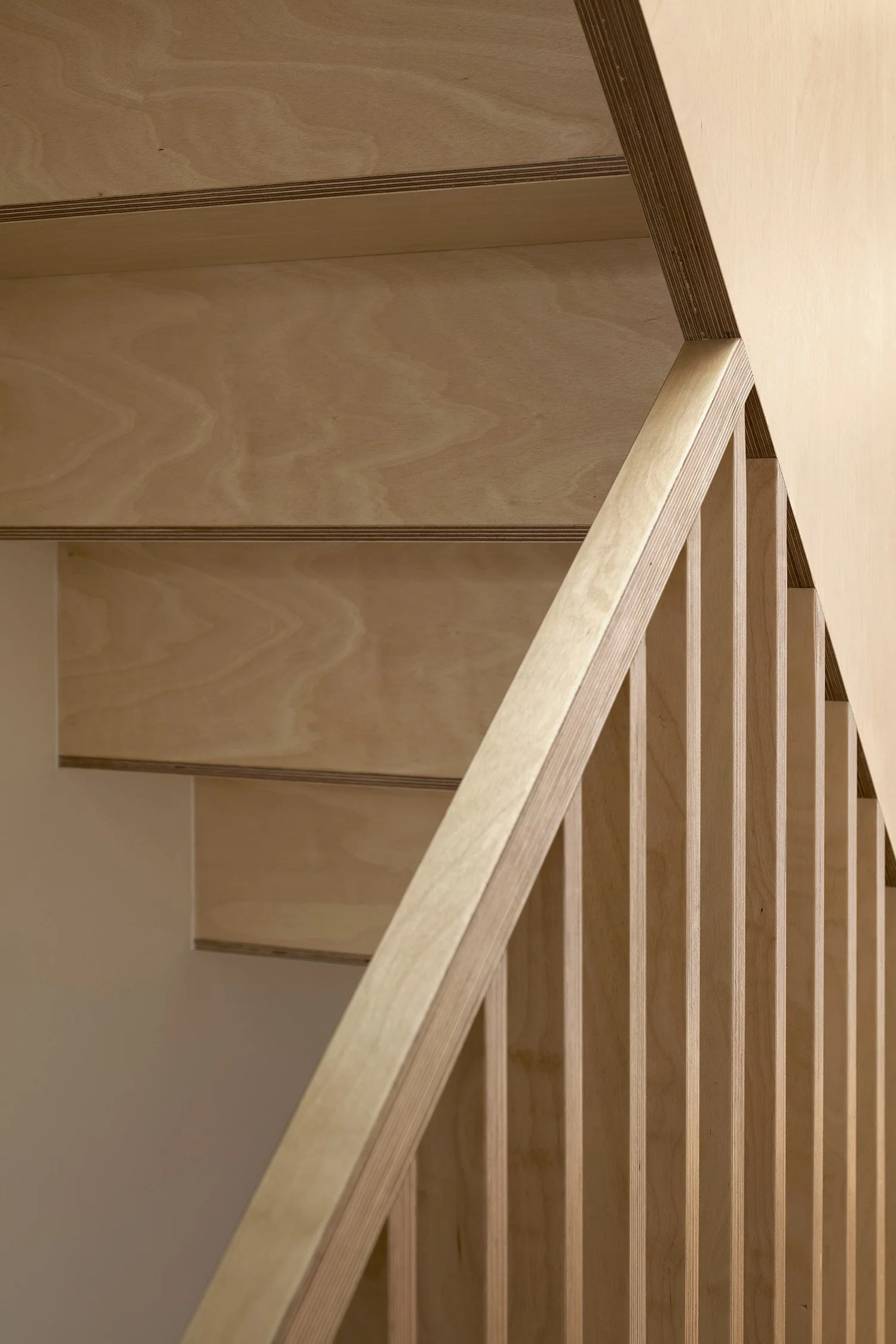
Interior thinking vs bespoke interior design
This level of thinking is part of every project.
But some projects require a further step.
Bespoke interior design takes this further by carrying this thinking into detailed, coordinated design across the whole home, including kitchens, bathrooms, joinery, lighting and materials.
This is not necessary for every project.
The key is understanding when it adds real value.
When bespoke joinery and interior design make sense in London homes
This level of service is most valuable when interiors and architecture are closely connected.
For example:
storage needs to be integrated into the structure of the home
kitchens and bathrooms are central to how the space is used
there is a significant amount of built-in joinery
you want a consistent material palette across the house
the aim is a calm, resolved result rather than a pieced-together one
It is also particularly useful where:
decisions made late would lead to compromise or rework
coordination between lighting, storage and services is critical
you want greater clarity on cost before construction begins
In London homes, where space is often constrained, this level of coordination becomes even more important.
For simpler projects, a lighter approach can be entirely appropriate.

Why coordination matters
This level of design matters because these elements are closely connected.
Interiors are not a separate layer.
They are part of how the building is designed and built.
Storage affects structure.
Lighting affects ceilings.
Services affect where things can be placed and how they work.
When these are designed separately, problems appear:
bulkheads added late to conceal services
joinery that does not align with walls or openings
lighting that feels uneven because it was introduced too late
When interiors are considered early and as part of the architecture, these issues are largely avoided.
The project is clearer to price and far less likely to change once construction begins.
The result is a home that feels more resolved, visually quieter, and easier to use day to day.
The next step
If you are planning a renovation or extension and feel that this level of coordination would make a meaningful difference to how your home works and feels, the next step is to see how this is developed in practice.
→ Explore our bespoke interiors and joinery service for London homes
Or, if you would prefer to talk it through: