
Architect-Led Renovations, Extensions and Retrofits in London
Our Structured Design and Delivery Process
A structured design process helps bring brief, budget, planning risk and performance decisions together before major commitments are made.
Major renovations and extensions in London require more than good design. They demand a structured process that coordinates planning, cost, programme and construction from the outset.
Working with period homes in conservation areas adds further complexity. Existing building fabric must be understood carefully. Planning policy must be navigated strategically. Structural changes, services upgrades and fabric-first improvements must be integrated so that performance, comfort and durability improve together rather than in isolation. In this context, unmanaged decisions create risk. Costs can escalate through late changes. Programmes can extend when technical issues surface on site. Investment can drift away from original intent.
Retrofit, when undertaken properly, is not a cosmetic upgrade. It is a coordinated, whole-house performance improvement. Insulation, airtightness, ventilation and moisture behaviour must be considered as a system. Extensions and internal reconfiguration must respond to that system, not undermine it. Each decision affects the next.
The difference is rarely the ambition of the renovation or extension. It is the quality of its management.
At Studio CMA, we guide architect-led renovations, extensions and fabric-first retrofits in London through a clearly defined Project Framework. This structured design and delivery process aligns scope, planning strategy, performance targets, cost planning and construction oversight from first briefing to completion. Clarity is established before commitment increases. Risk is identified early, managed deliberately and reduced wherever possible.
The result is not simply a well-designed home. It is a renovation or extension that is financially controlled, technically robust and delivered with discipline.
Develop Design, Performance and Budget Together
Design is more than a set of drawings. It determines how your home performs, how comfortable it feels and how well your investment is protected over time.
We adopt a fabric-first approach, considering insulation, airtightness, ventilation and moisture behaviour from the outset. Building Regulations provide a legal baseline. Once clients understand what different performance levels mean in practice, many choose to go beyond the minimum to improve comfort, durability and long-term running costs.
At the same time, we refine cost expectations alongside the evolving design. Early forecasts test feasibility. As decisions are made about layout, materials and quality, the budget becomes progressively more defined. You can read more about this structured approach in our guide to How Architects Use Early Cost Planning to Reduce Risk.
Performance ambition, spatial design and cost clarity move forward together. For a deeper explanation of how fees relate to this structured process, see our article on Understanding Architects’ Fees for Major Home Projects.
Reduce Planning Risk Before Increasing Investment
For many London homes, planning approval is a pivotal milestone.
We consider the local authority context, conservation constraints and neighbour impact early, shaping a proposal that is robust before submission. The aim is not simply to obtain consent, but to secure consent for the right scheme.
We sequence technical work carefully around this stage. In most cases, detailed technical design follows planning approval so that time and money are not invested in work that may later need to change. Where speed is essential, we explain the implications clearly so that any additional risk is understood and deliberate.
This sequencing protects both programme and budget from avoidable rework.
Translate Design Intent into Buildable Clarity
Once planning approval is secured, the emphasis turns to technical rigour.
At this stage, design intent is translated into coordinated, buildable information. Structural integration, insulation strategy, critical junctions and material specifications are resolved in detail and aligned with input from the wider consultant team.
This is where technical judgement matters most. Clear, well-coordinated technical design reduces reliance on interpretation during construction. It protects performance ambitions and significantly lowers the risk of defects, shortcuts or unintended changes on site.
In period homes especially, careful specification and detailing influence durability, comfort and long-term maintenance for years to come.
Create Tender Certainty Before Construction Begins
Before construction starts, the project must be defined with sufficient precision to be priced accurately.
We prepare coordinated drawings, schedules and specifications that describe the scope in detail. This enables contractors to price the same information, reduces hidden assumptions and allows for clear, comparable tenders. It reduces ambiguity before commitment increases.
Selecting the right contractor is equally important. We assist with shortlisting, interrogate tender submissions carefully and advise on contract structure so that the builder appointed is aligned with the defined scope and agreed budget. Our detailed guidance on Choosing the Right Builder for Your Home Extension or Renovation explains this stage further.
Robust tender documentation provides a foundation for cost certainty before work begins on site.
Protect Alignment During Construction
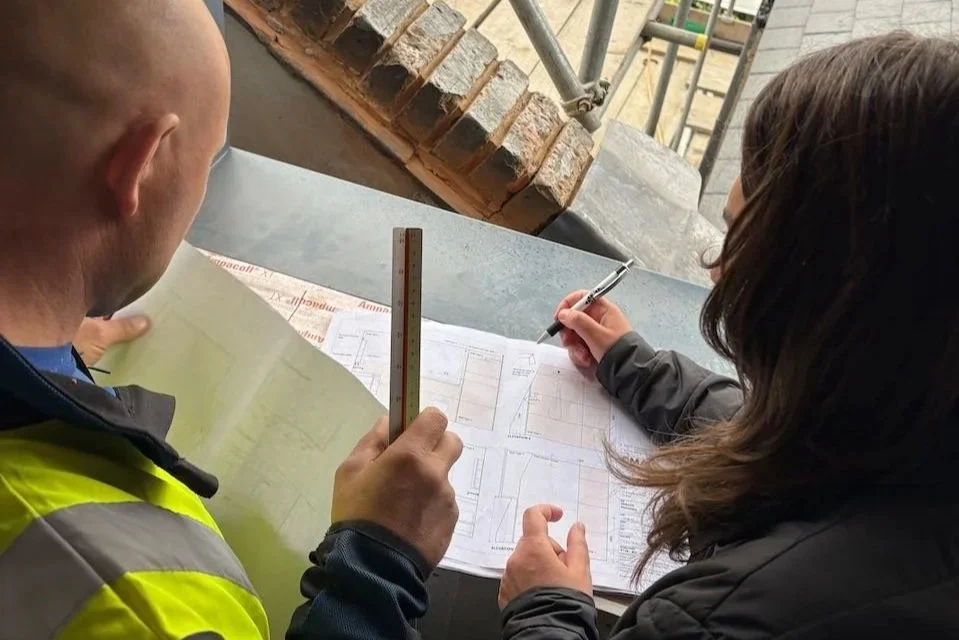
During construction, regular site review helps maintain alignment between the design, the contract, the budget and the quality of the work being delivered.
Construction is the point at which careful preparation is tested.
Throughout this stage, we act as both Architect and Contract Administrator. We respond to technical queries, address unforeseen conditions and ensure the work proceeds in accordance with the agreed design and contract documentation.
We chair site meetings, review payment applications rigorously and certify only work that has been properly executed. Specialist drawings are checked before fabrication to minimise the risk of error.
Our role is to maintain alignment between what was designed, what was priced and what is delivered on site. That continuity protects the integrity of the project and the value of your investment. You can explore this further in our article on whether you need an architect during construction.
How This Framework Reduces Risk
Renovation always carries uncertainty. The difference lies in whether that uncertainty is controlled or allowed to accumulate.
By clarifying scope early, investment is directed towards the right objectives. By developing design, performance and budget together, financial expectations evolve alongside technical clarity. Careful sequencing around planning and technical milestones reduces unnecessary rework. Detailed tender documentation limits assumptions before construction begins. Ongoing oversight during construction maintains alignment between intention, contract and delivery.
Fees, timeline, cost planning, builder selection and construction oversight are not separate concerns. They are interconnected elements of the same structured system.
The framework gives them coherence and stability.
Who This Framework Is For
This framework is best suited to homeowners planning meaningful, coordinated change.
Projects involving substantial renovation, reconfiguration or whole-house thinking benefit most from careful alignment. In London, where space is limited and constraints are real, sequencing protects both ambition and investment.
Some projects require light-touch adjustments. Others call for deeper transformation. When the aim is long-term improvement rather than a short-term fix, clarity and coordination make a significant difference.
If you are seeking a thoughtful, structured path from the outset, this framework is designed to support you.
Explore Related Topics
First Step in the Right Direction

A clear process helps turn early uncertainty into grounded decisions. Studio CMA can help you understand what is feasible before you commit significant time or investment.
The quality of a renovation is shaped long before construction begins.
If you are planning a meaningful renovation, extension or retrofit and want clarity before committing significant time or investment, the most effective structured starting point is a Home Visit and Appraisal.
During this visit, we assess your home carefully, explore your ambitions and constraints, and provide an informed view of what is feasible. It is designed to turn early questions into grounded decisions and establish a clear, structured direction for your project.
If you are unsure where to begin, a free 45-minute Project Consultation is the simplest way to decide how to get started.