Victorian Wraparound Extension, Upper Walthamstow
A compact wraparound extension brings kitchen, dining and garden together beneath an expressive folded timber roof.
Location: Upper Walthamstow, London
Property: Victorian semi-detached house
Project: Wraparound kitchen and dining extension
New floor area: Approximately 18 m²
Status: Planning approved and technically developed. Awaiting start on site
Key features: Folded timber roof; side-return infill; garden connection; utility and WC; targeted insulation and airtightness measures

A home made for gathering
The clients had recently moved into a generous Victorian semi-detached house in Upper Walthamstow, with tall rooms, bay windows and a long garden. Yet the spaces at the rear did not share that sense of generosity.
The kitchen occupied a low single-storey addition. It was compact, cut off from the dining room and short of the space needed for cooking and hosting. Beyond it, the dining room was a good size, but its bay window looked into an enclosed side return rather than towards the main garden. Doors and circulation routes made the ground floor feel more fragmented than it needed to be.
The clients wanted a welcoming home where extended family and friends could gather, whether for an everyday meal, a longer stay or a celebration drawn from their different traditions. They wanted something distinctive, but not an architectural gesture made for its own sake. It needed to feel connected to the Victorian house, work hard in daily life and make better use of the space already available.
The question was whether a compact wraparound extension could bring the kitchen, dining room and garden into a better relationship without overwhelming the house.
Seeing what the house could become
They did not begin with a fixed answer, and they did not need one.
We started by considering the house as a whole and preparing an initial cost plan. This whole-house approach also underpins our work on house extensions for London homes. A series of design studies then tested different levels of intervention, from adapting the existing footprint to creating a more generous side and rear extension.
Each option made the possibilities more tangible. How open should the original rooms become? How much garden should the extension occupy? Where should cooking, dining, utility and storage sit? Could the house feel transformed without simply making the extension deeper?
As the designs developed, the underused side return began to feel less like a leftover gap and more like the key to unlocking the ground floor. The studies showed what a more substantial extension could offer: not only additional area, but a better sequence of rooms, changing ceiling heights and a much stronger relationship with the garden.
The process gave the clients the confidence to pursue a more ambitious proposal. More space had to earn its place through better light, circulation and everyday use.
More width, not simply more space
The resulting wraparound extension adds approximately 18 square metres. It fills the side return and extends modestly beyond the existing kitchen, creating a broad new kitchen and dining room across the back of the house without projecting unnecessarily far into the garden.
A wide opening connects the original reception rooms, while full-height doors between the old and new parts of the house allow the ground floor to expand for larger gatherings or become more contained when needed. A compact utility and WC are absorbed into the plan, and access through the shared side passage is retained.
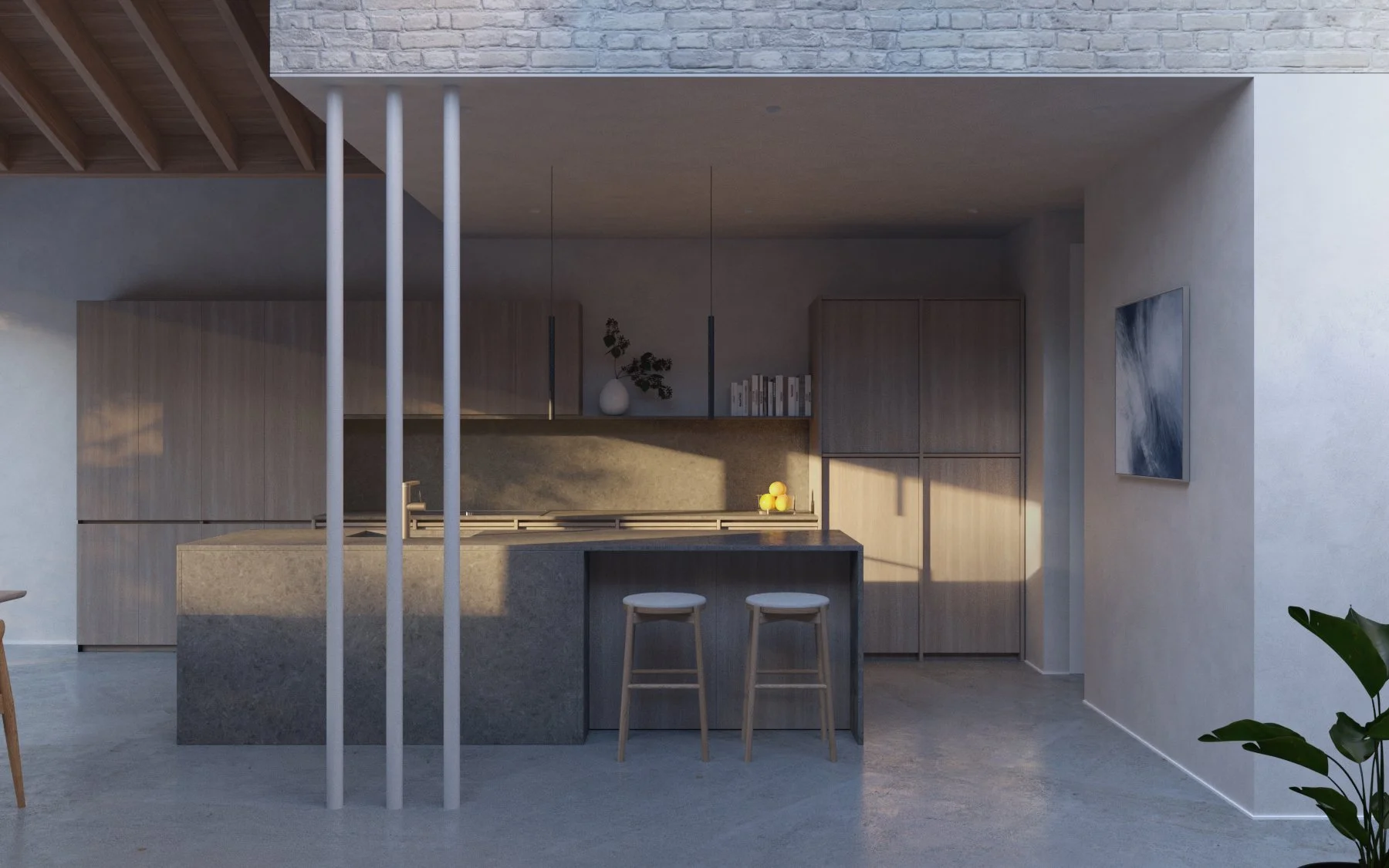
The kitchen sits closer to the original house beneath a lower ceiling. From there, the space rises and opens towards the dining area and garden. This shift in height creates a subtle sense of compression and release, giving each part of the room its own character without dividing it with walls.
Views run through the house towards planting and daylight. The garden becomes part of the daily experience of cooking, eating and moving between rooms, rather than something reached only after passing through the old kitchen.


A roof that does more than cover
Instead of placing a conventional flat roof over the new footprint, the design develops a sequence of folded roof planes from the pitch of the existing rear wing.
As the profile repeats, it also recalls the sawtooth roofs of Walthamstow’s industrial buildings. This is a local echo rather than a literal imitation. The geometry begins with the house itself and is shaped by the spaces beneath it.
Exposed timber rafters and a timber-lined ceiling give the extension warmth, rhythm and a clear structural character. A glazed strip brings daylight deeper into the plan, while the changing roof heights help distinguish the kitchen, dining area and quieter places to sit.
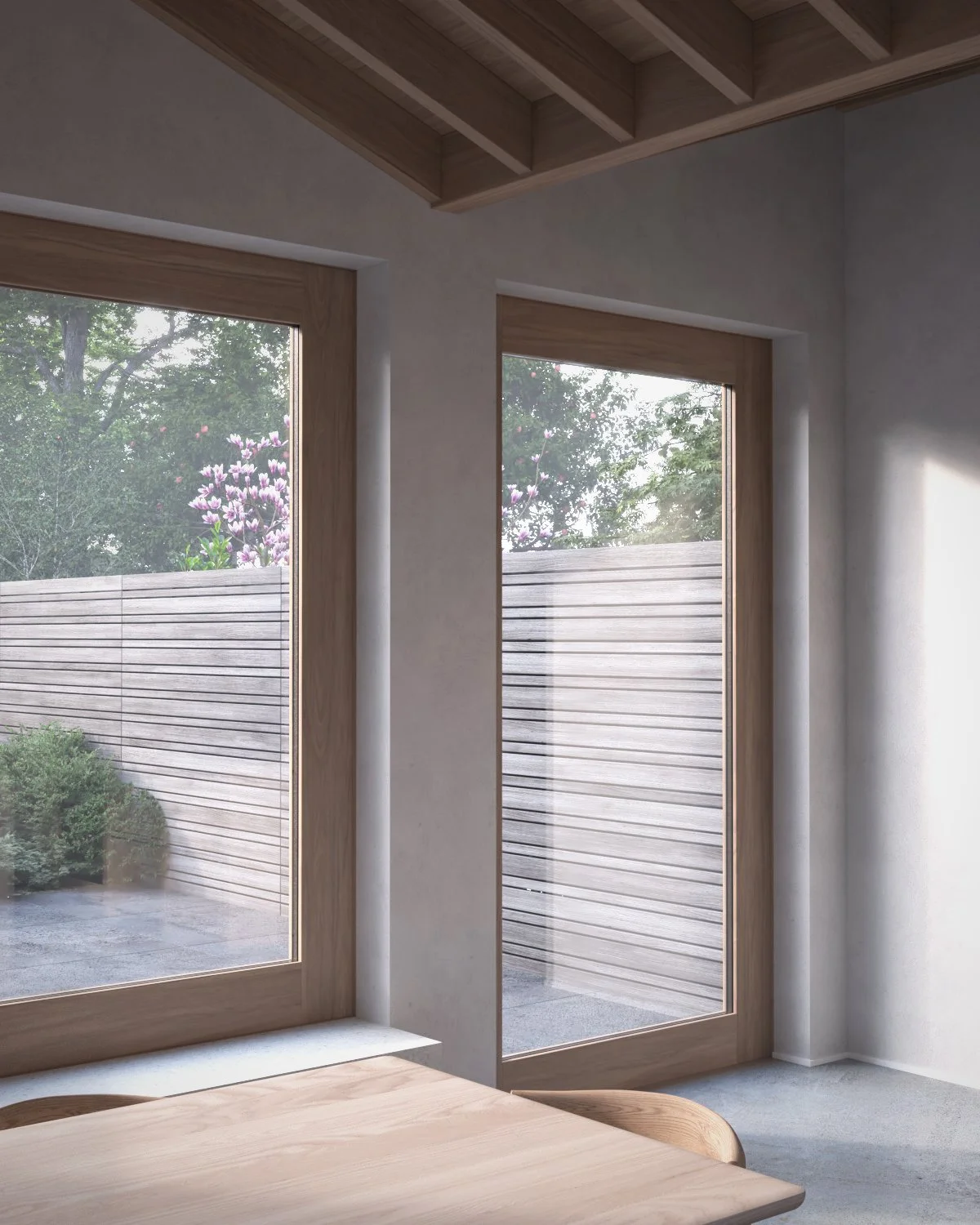
At the rear, brickwork gives the extension a sense of permanence and connects it materially with the Victorian house. A large timber-framed garden window and a separate glazed door create different ways to look towards and step outside. Inside, a wall-hung stone bench aligns with a projecting sill in the garden, turning the window into a place to pause on either side of the glass.

A whole house improved over time
The spatial changes are accompanied by targeted improvements to warmth and comfort.
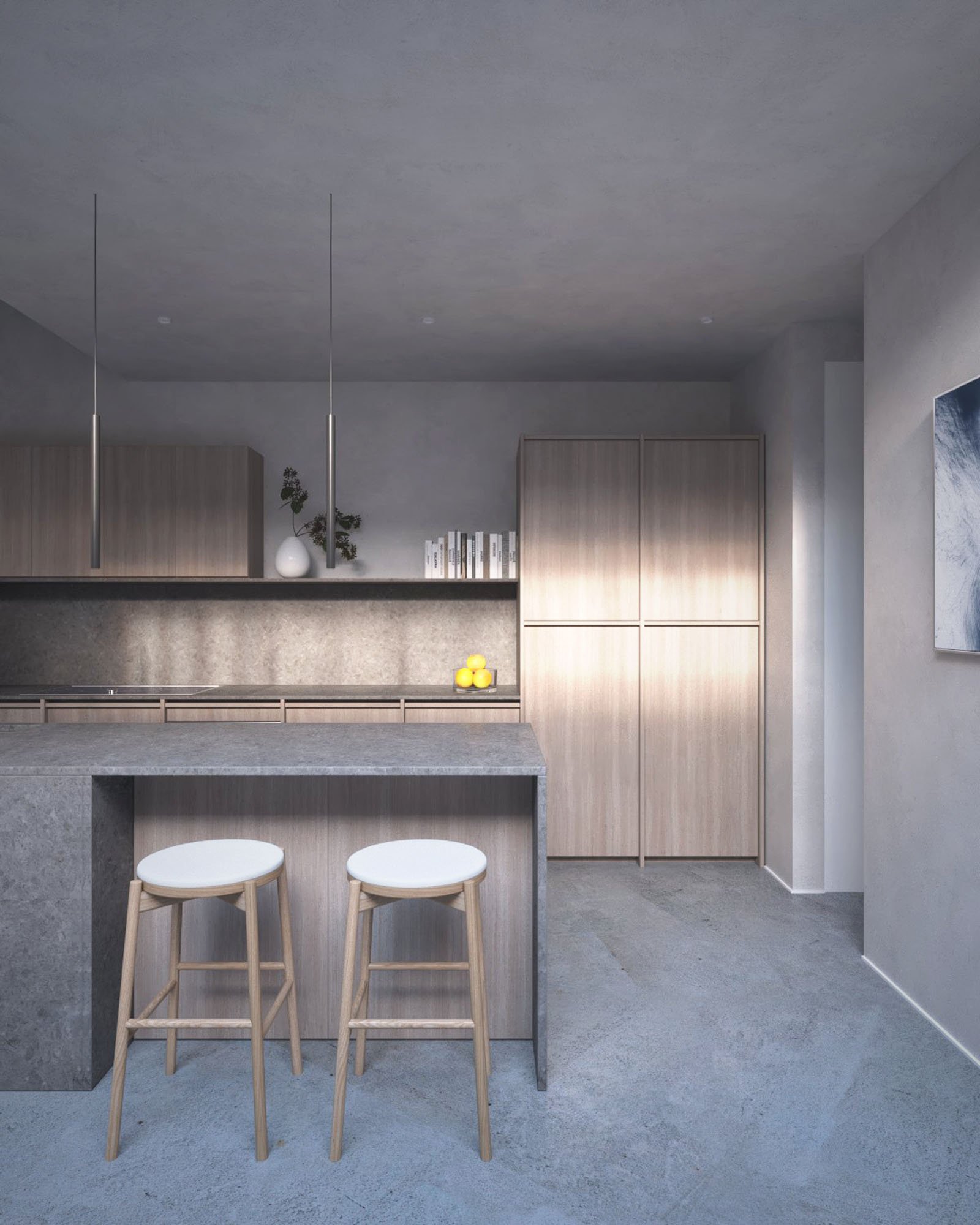
Retained timber floors are lifted and insulated with natural fibre insulation before the floorboards are reinstated. The new walls and roofs combine high levels of insulation with careful airtightness detailing. Underfloor heating beneath a continuous mineral floor provides an even warmth across the extension, while timber, brick and stone add texture to a robust material palette intended to age well.
At the same time, the clients were progressing improvements elsewhere in their newly purchased house with a local builder, working from the upper floors down. As their plans for the rest of the property developed, the renovation became a longer-term programme.
Cost planning continued alongside the design, keeping the scale and specification of the extension visible as its ambition grew.
Following planning approval, the proposal was developed through our Full Architectural Service, with structural coordination and detailed technical design brought together in a comprehensive tender package.
Competitive tendering subsequently validated those forecasts, confirming the level of investment required to realise the proposal without diluting its original intent.
The clients chose to prioritise work elsewhere in the house first, allowing the extension to remain a coherent later phase within the wider renovation. It is currently awaiting its start on site.
The design is intended to give the house what its rear rooms previously lacked: a generous sequence of spaces for cooking, gathering and everyday life, with the garden always present at the end of the view.
Planning a wraparound extension?
A good extension is not simply about adding floor area. We can help you understand where extra space will make the greatest difference, and how light, layout, materials, comfort and garden connection can work together before the project moves too far.
Related services
Explore our Extensions service