Victorian Terrace Loft Extension, Prebend Street, Islington
Cantilevered Stair House
This project involved the phased transformation of a Victorian terrace on Prebend Street in Islington, within the Arlington Square Conservation Area. What began as a desire for a loft extension gradually evolved into a more holistic rethinking of how the house worked, shaped by planning constraints, fire safety requirements, and an understanding of the building as a connected whole.
Michael and Robyn came to us wanting to extend into the roof but were understandably concerned about how a loft extension would be received by planners. Conservation area guidance discouraged visible roof alterations, and the house already carried the legacy of a poorly resolved partial roof addition that compromised both comfort and clarity.
We have extensive experience working on residential projects across Islington, particularly in conservation areas.


Starting Point
Although the property already included a small loft room, it was accessed via a tight stair and formed as a half-width box added onto one side of a butterfly roof. The space was cold, inefficient, and uncomfortable, and the roof form had been awkwardly altered to conceal it. The original butterfly profile, with its central gutter draining to the rear, had been partially lost.
At street level, the house appeared typical of the terrace. In section, however, it was already compromised. The challenge was not simply to add more space, but to undo incremental changes and re-establish a coherent architectural and spatial logic.
The Real Brief
Michael and Robyn initially came to us looking for an additional bedroom in the loft. What quickly emerged, however, was a broader set of questions about how the house worked day to day, and how safe, comfortable, and coherent it felt as a whole.
The existing loft room was not only uncomfortable, but adding a new storey raised issues that could not be solved locally. Fire safety, circulation, and services all needed to be reconsidered across the house. The open stair connected directly into the kitchen, services did not properly extend to the upper floor, and earlier alterations had already compromised the clarity of the building.
The real brief, therefore, was not simply to add space, but to make the house function properly as a family home. That meant accepting that a loft extension would have consequences elsewhere, and working with Michael and Robyn to address those implications in a way that felt manageable, phased, and proportionate.

Planning and Precedent
From the outset, the project revealed itself to be as much a planning challenge as a spatial one. While conservation area guidance appeared restrictive, a closer reading of the street told a more nuanced story. Several neighbouring houses had already secured permission for roof extensions, creating a clear precedent along the terrace.
Rather than arguing for exception, the strategy was to demonstrate continuity. By reinstating the butterfly roof profile and introducing a carefully set-back mansard roof extension to the rear, the proposal reduced visual impact while completing the roofscape in a way that aligned with historic fabric and established precedent. Crucially, the new roof form is not visible from the street.


Why this was never “just a loft”
Although framed as a Victorian terrace loft extension, the work could not be designed in isolation.
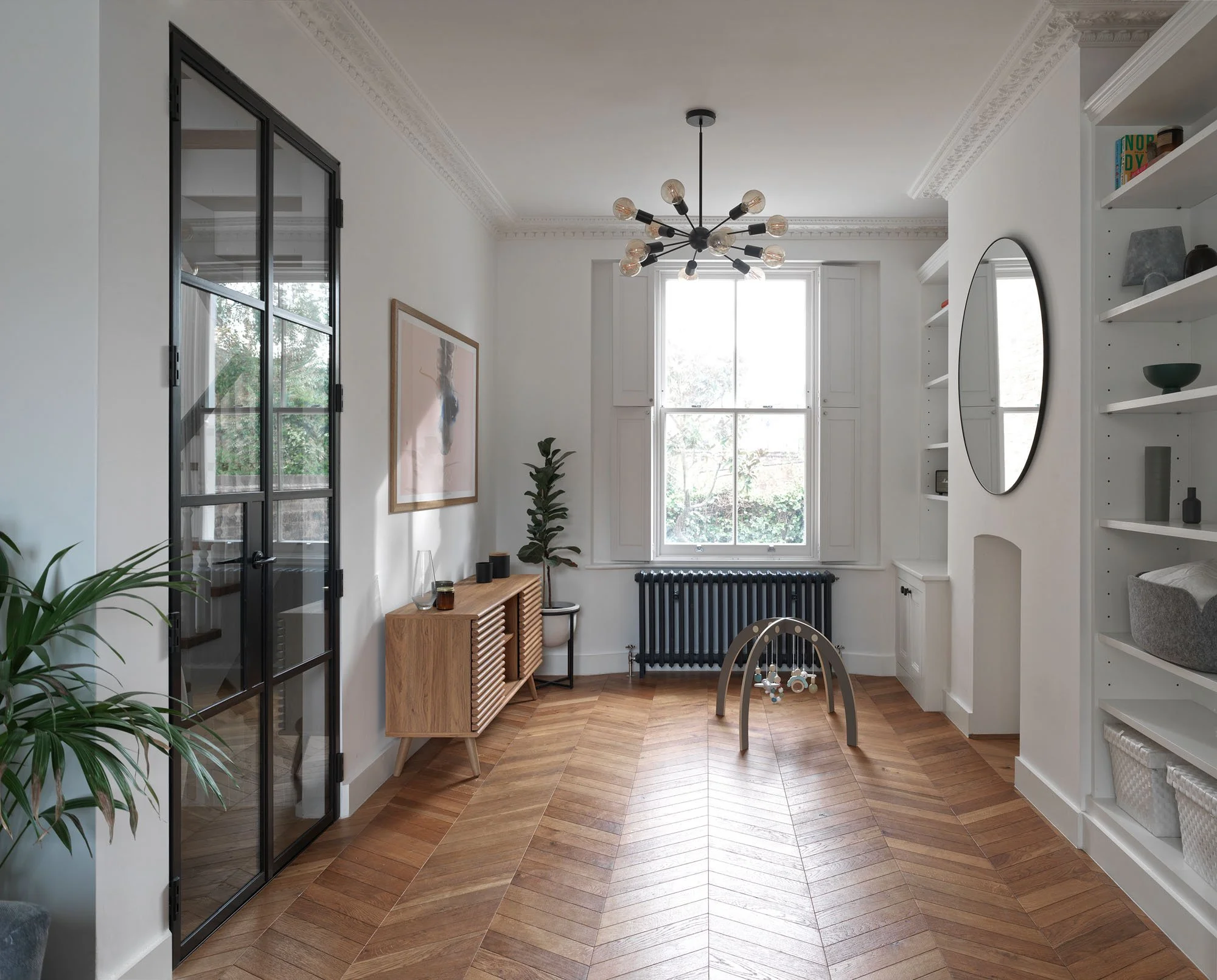
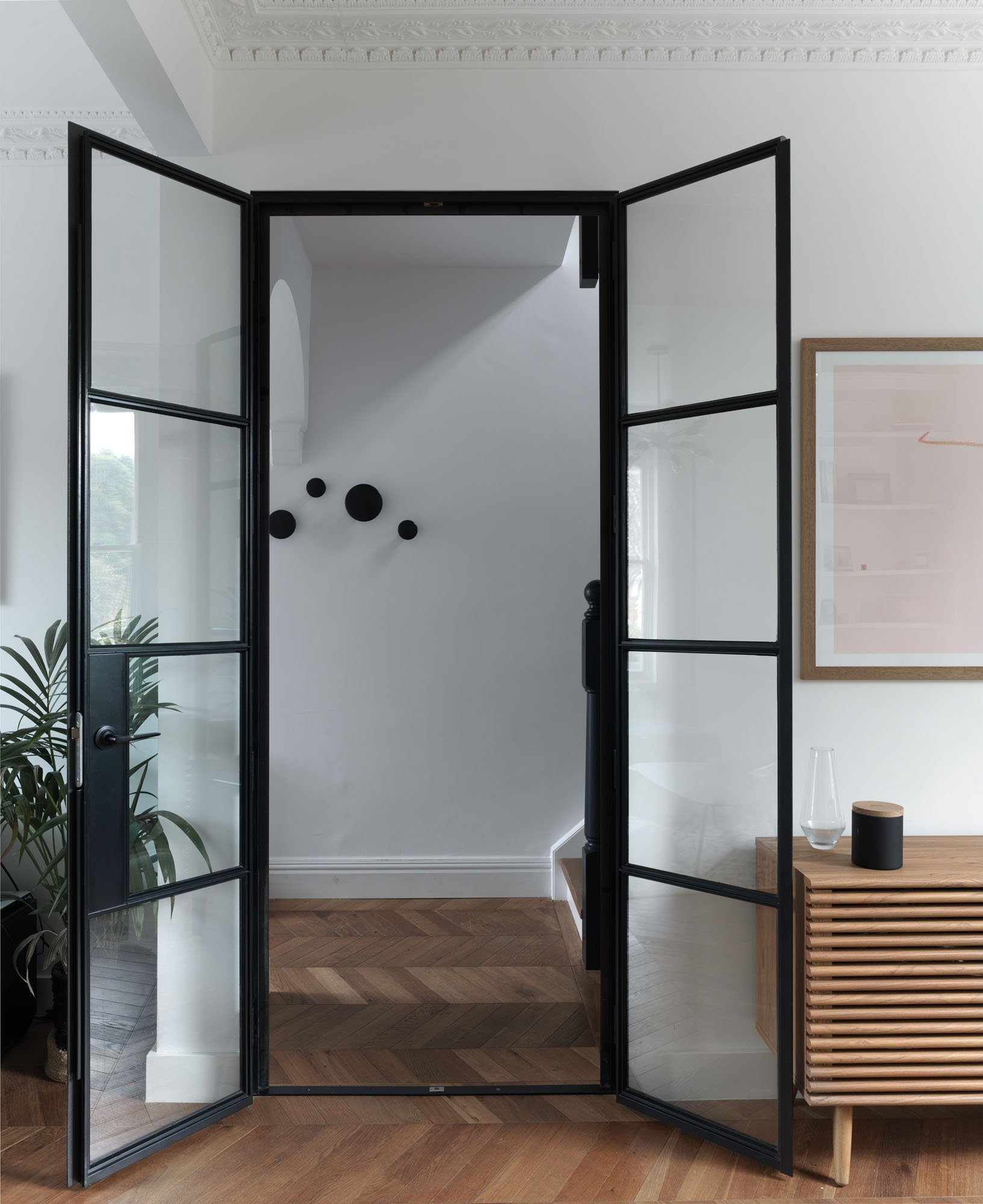
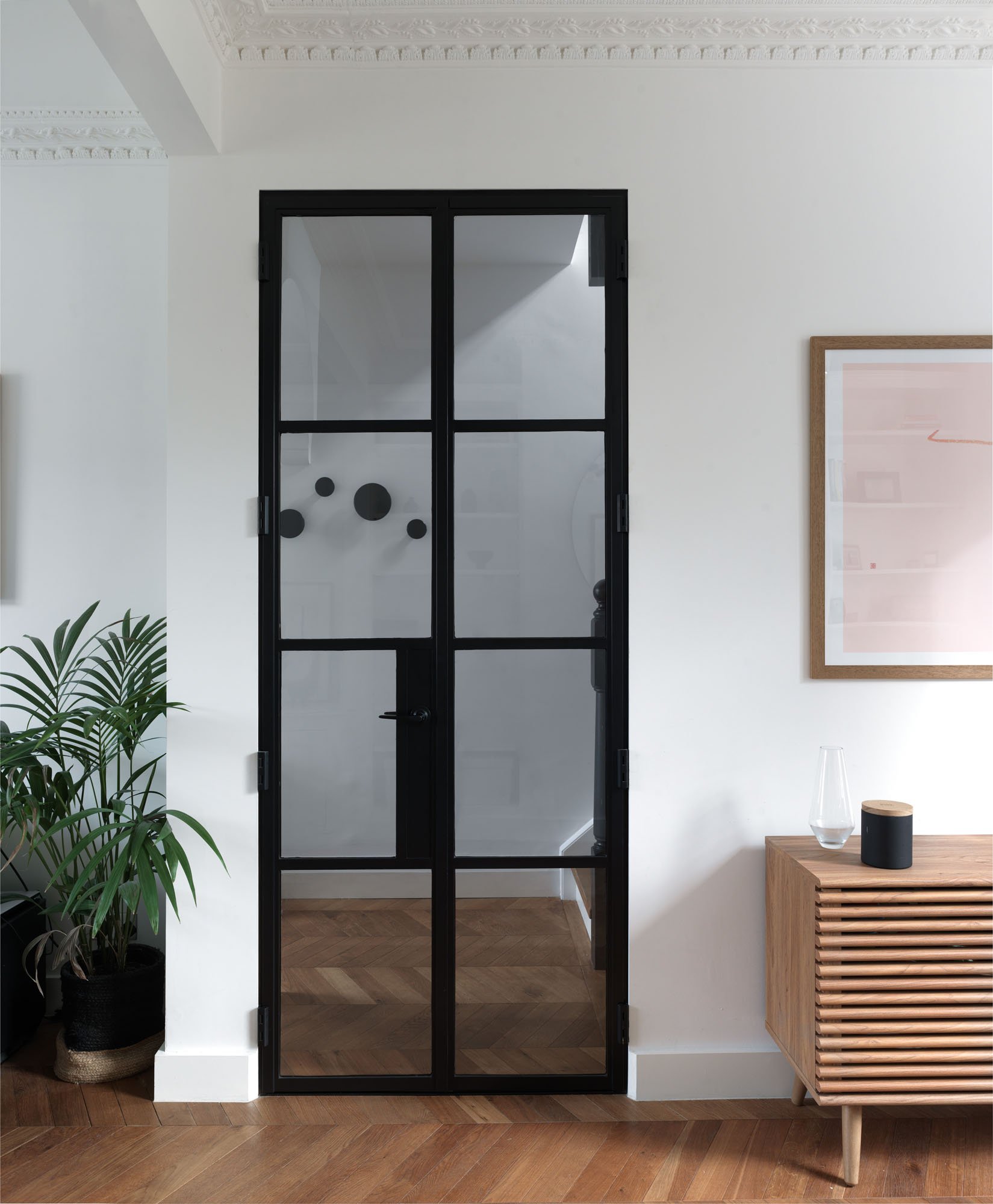
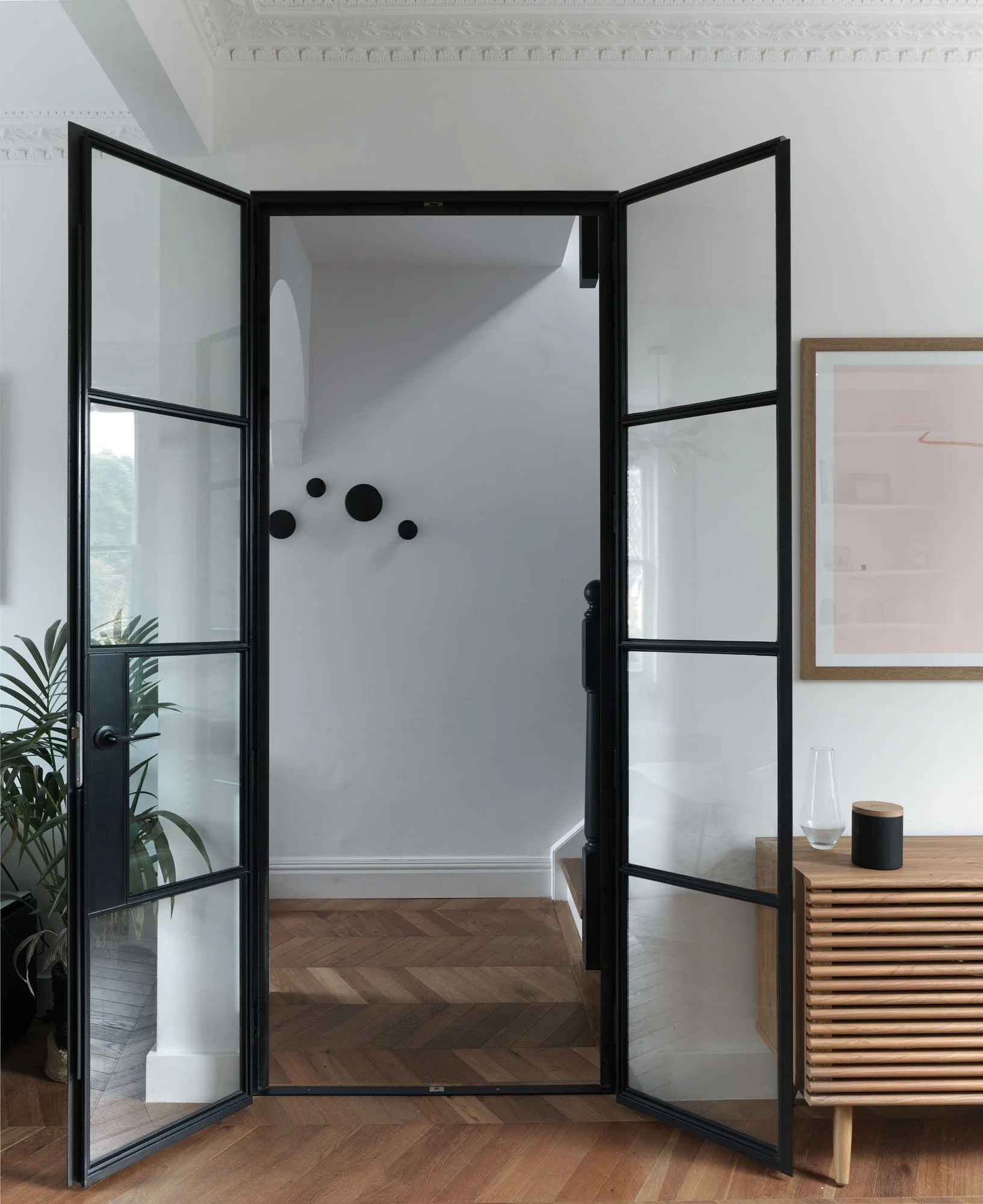
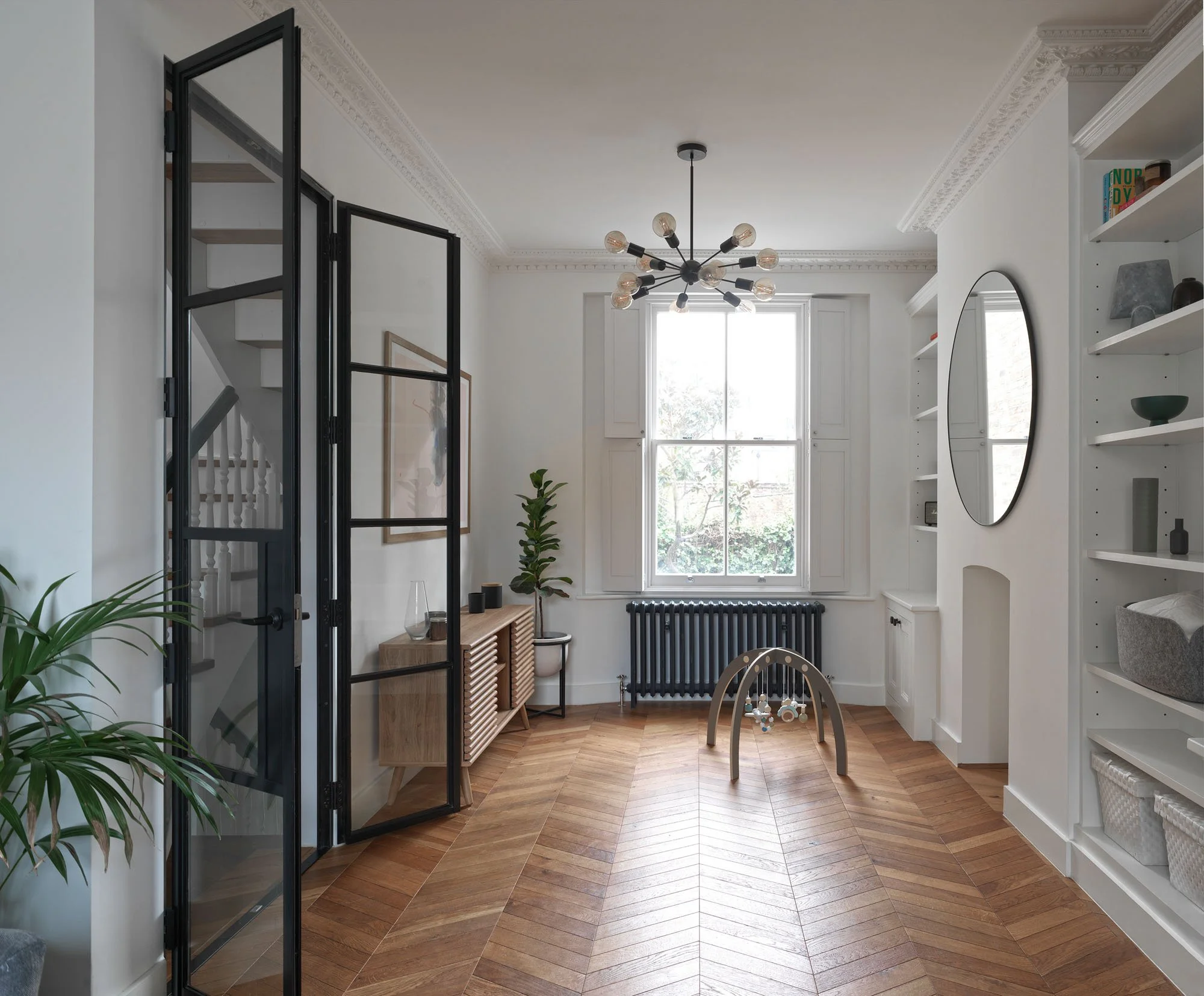
Adding a new storey required a revised fire strategy for the entire house. The existing open stair connected directly into the kitchen, which meant the space needed to be separated to make the building safe. This led to the upgrading and replacement of doors throughout the house to create proper compartmentation between floors.
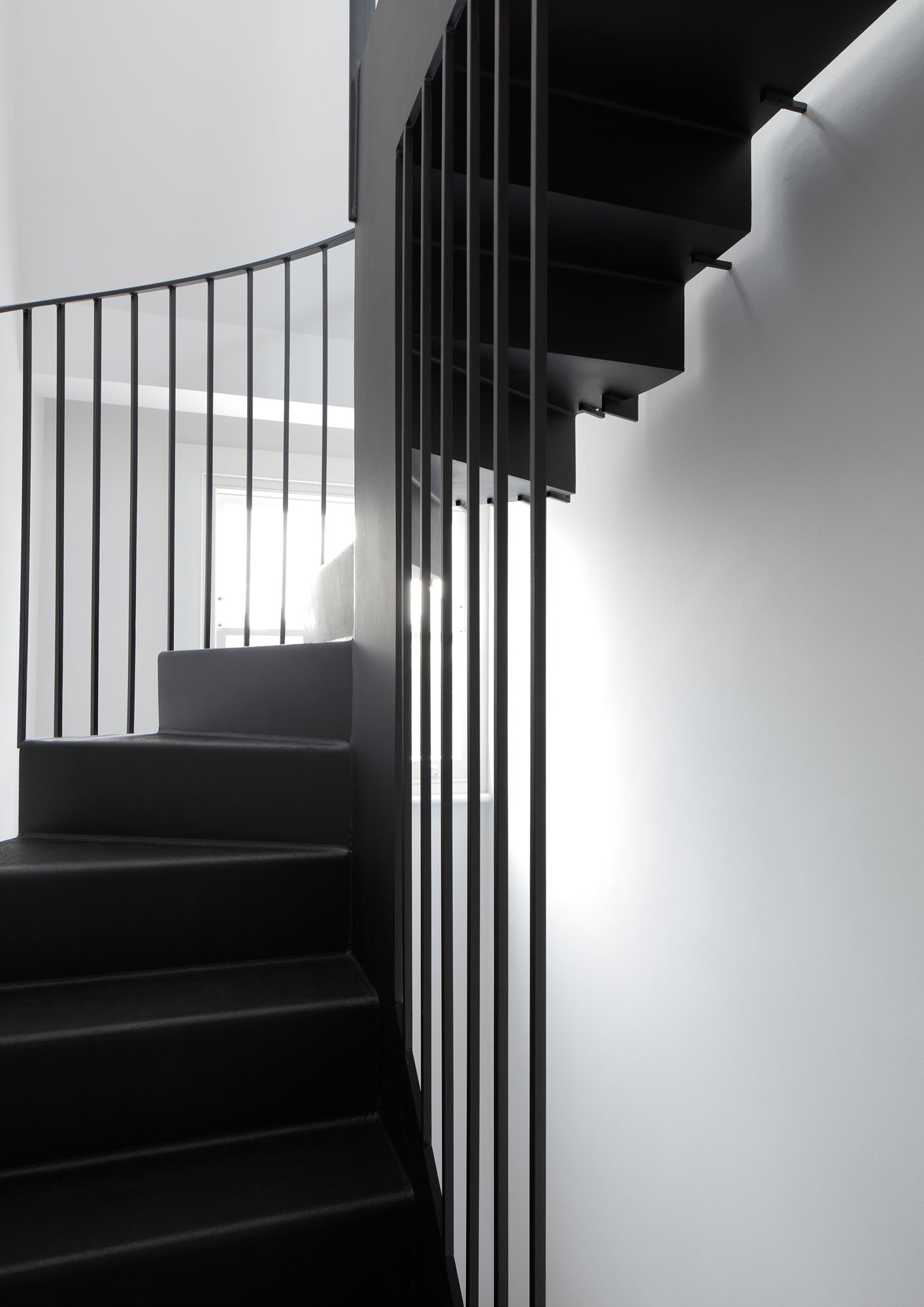
Circulation required similar care. While the stair appeared to extend naturally from the existing layout, the new stair had to sit within a much tighter envelope at loft level, shaped by the rear mansard and the layout of the new master suite.
Services reinforced this whole-house thinking. Heating did not extend to the loft as originally assumed, and the new bathroom required a larger hot water cylinder and the reworking of services from the basement vault through the full height of the house.

Phasing as a Deliberate Strategy
Rather than waiting for a single, all-encompassing planning approval, the project was consciously phased. Michael and Robyn were keen to make progress and improve the house without unnecessary delay, so early works focused on mobilisation and enabling measures while the roof extension was being carefully developed.
This first phase included fire strategy interventions, door replacements at raised ground floor level, and fabric upgrades such as floor insulation. A separate planning application was also made and approved for the replacement of existing windows with slim-profile double-glazed timber sashes.
When planning permission for the roof extension was secured, the loft phase completed and resolved the earlier work rather than exposing unfinished thinking.
Key Design Moves
The most important decisions in the project are largely invisible. This reflects our considered whole-house approach to extensions, where early decisions about structure, circulation, and section shape how a home works over time.
By removing the first-floor ceiling and recalibrating floor levels, the loft floor could be set lower, increasing usable head height beneath the pitched roof at the front of the house. Window pelmets were carefully detailed to maximise floor area without altering the external appearance.
This adjustment reduced the overall rise of the stair, allowing one tread to be removed. Given the tight footprint under the rear mansard, this was critical. It improved the proportions and usability of the loft rooms and allowed the stair to align naturally with the existing circulation, rather than feeling forced or compressed.
At roof level, the demolition of the existing partial extension and reinstatement of the butterfly profile restored clarity before the new mansard extension was introduced. Materials and detailing were chosen to sit quietly within the existing fabric, allowing the extension to read as a natural evolution of the house rather than a bolt-on addition.
Outcome
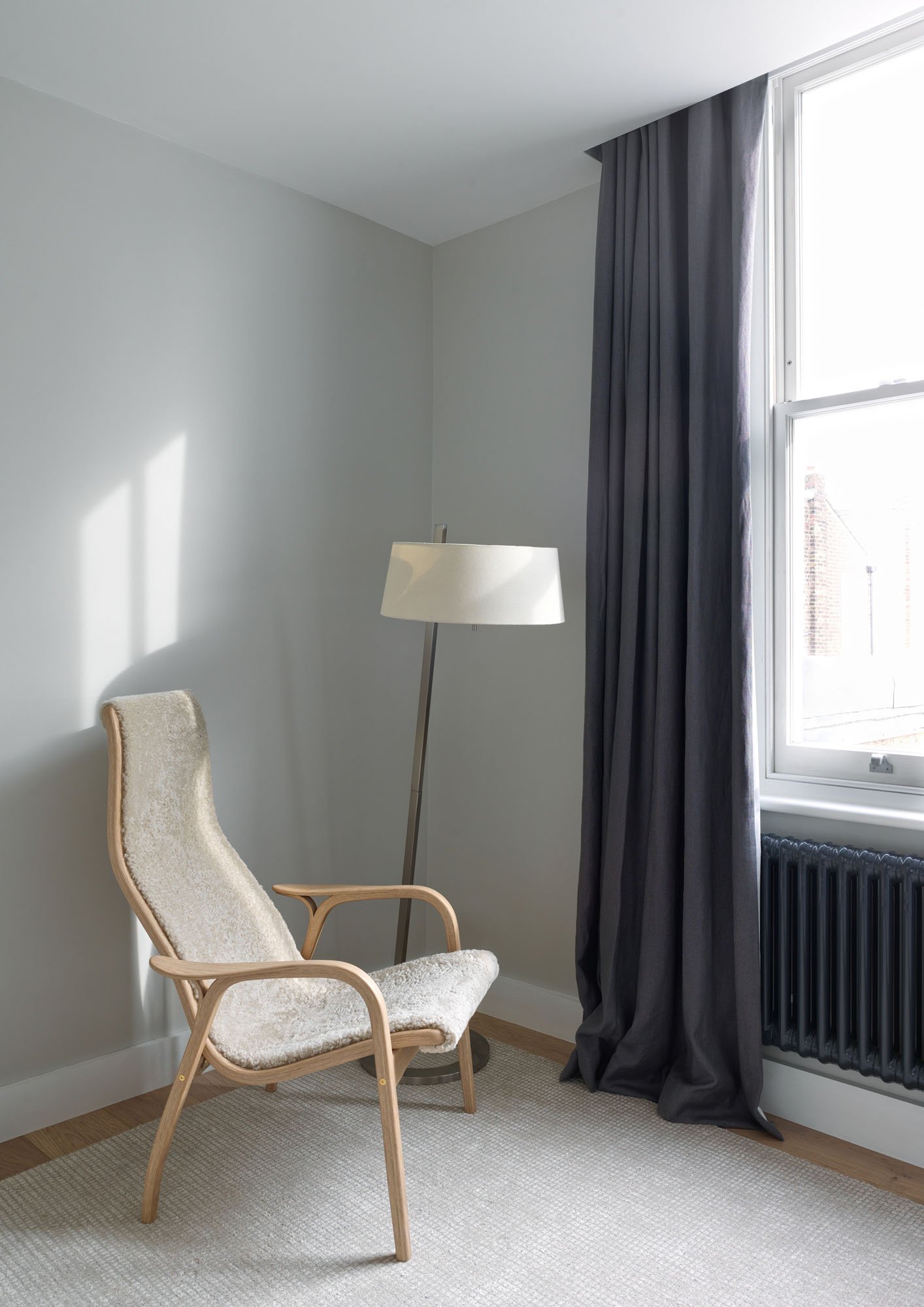
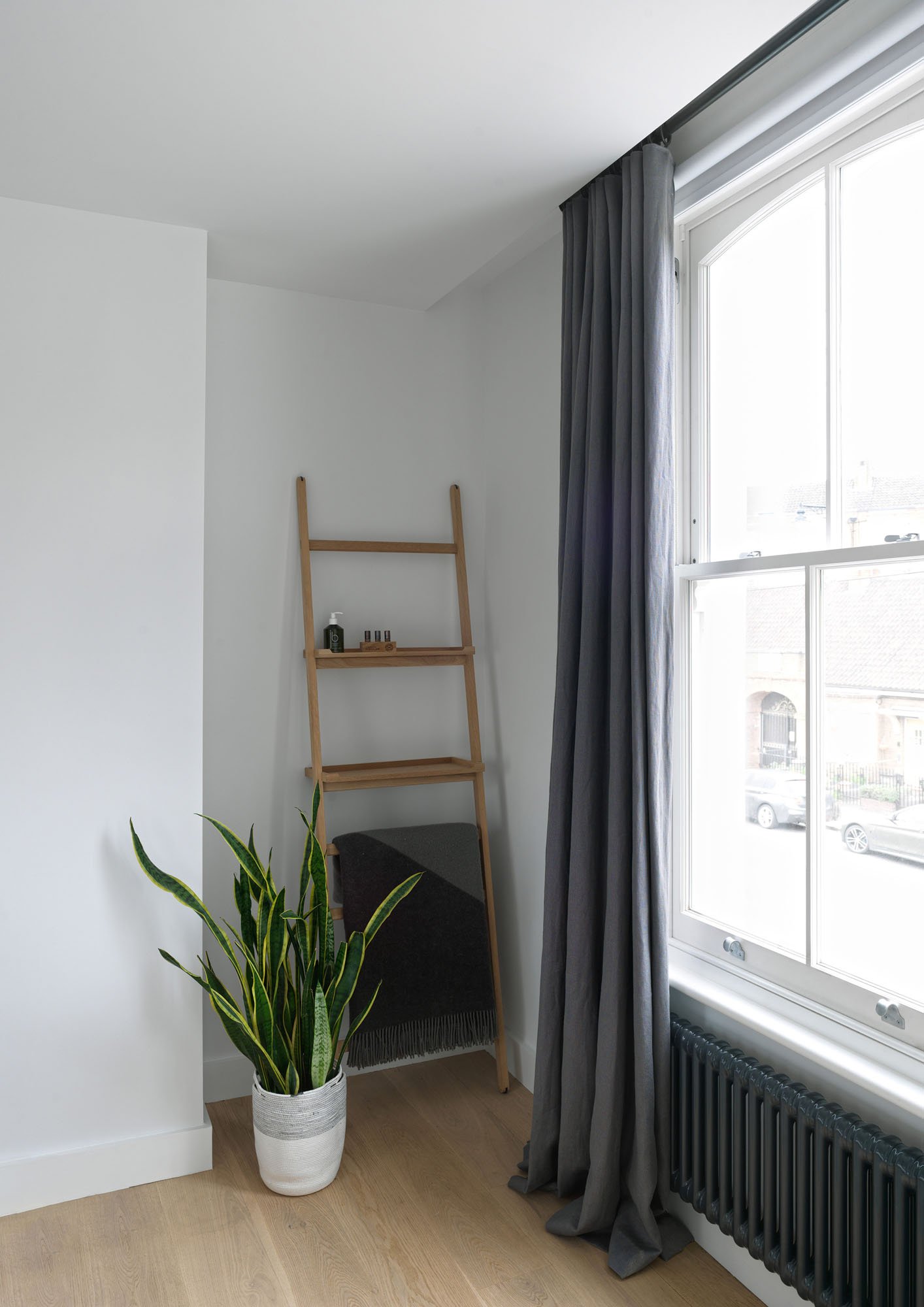
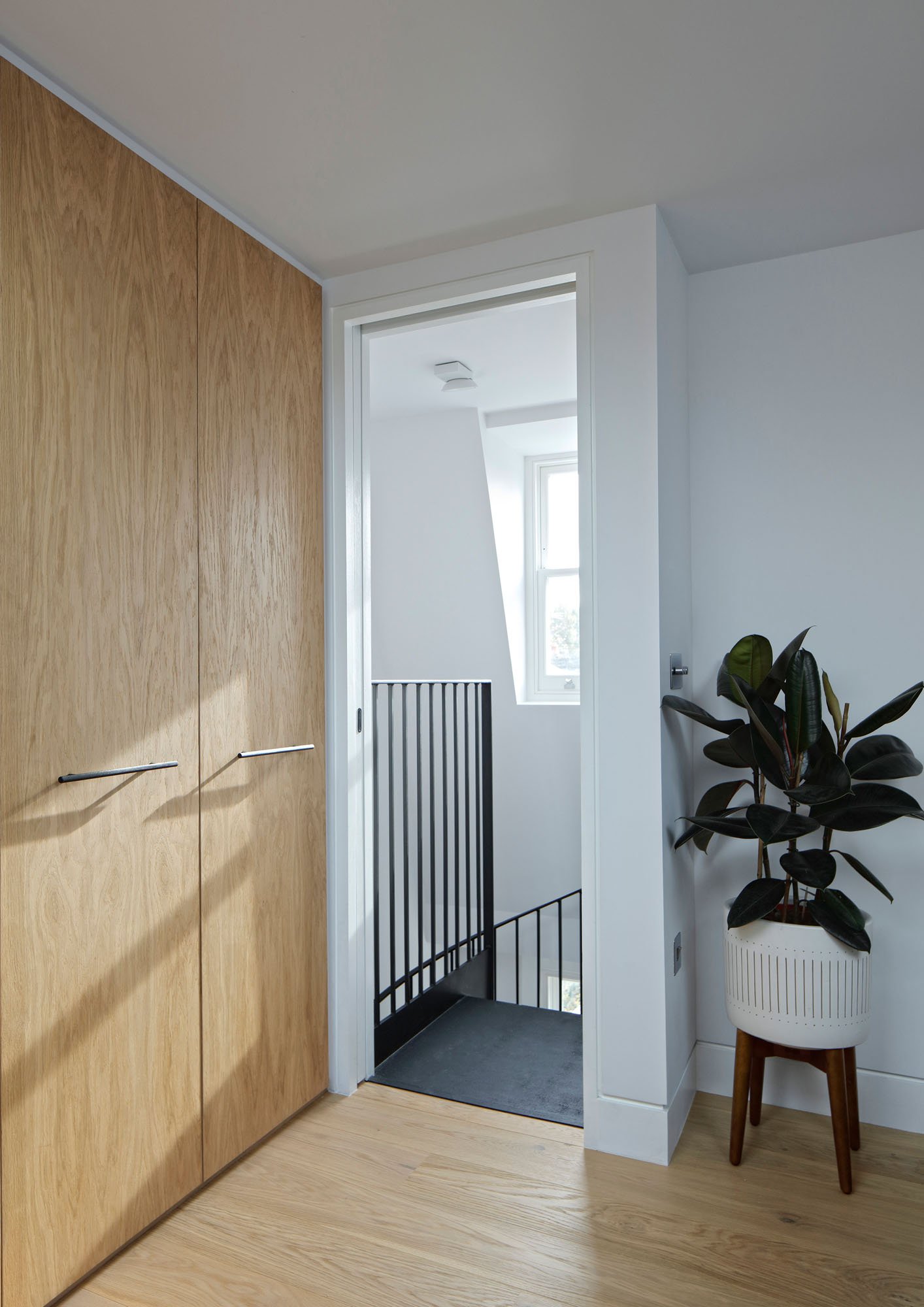
The completed loft provides a calm, light-filled master suite that feels fully integrated into the house rather than added on top. The new stair brings daylight down through the centre of the plan, while fire safety, circulation, and services now work together as a coherent system.
Several years later, Michael and Robyn returned to us to refurbish a previously untouched family bathroom. By that point, their expectations of comfort and consistency had changed, and our own understanding of materials and building fabric had evolved. The bathroom refurbishment, carried out with a greater focus on natural insulation and airtightness, was seen by them as completing the project rather than starting a new one.
Reflection
This project is best understood not as a single intervention, but as a phased transformation shaped by careful sequencing and whole-house thinking. The loft extension acted as a catalyst, revealing how safety, structure, services, and comfort are inseparable in a Victorian terrace.
It is a quiet example of how planning insight, attention to section, and disciplined design decisions can unlock long-term value without unnecessary disruption or excess.
"Daniela and Greg grasped our vision for the project from the outset, and with this in mind put forward the idea of a black metal staircase; we immediately fell in love with the style, and in turn, it inspired much of the design for the rest of the renovation. The clever, cantilevered design of the staircase allows light to flood the stairwell below, and tastefully incorporates our love for minimalist design in a traditional terraced house."
- Michael and Robyn
Press and publications
This project has been featured by Homebuilding & Renovating and Archello.
Helpful Next Steps
If you are still shaping your brief, we have written a guide on how to brief a London architect to help you prepare for early conversations and understand what to prioritise.