
Avoiding Damp and Mould in London Retrofits: A Homeowner Guide
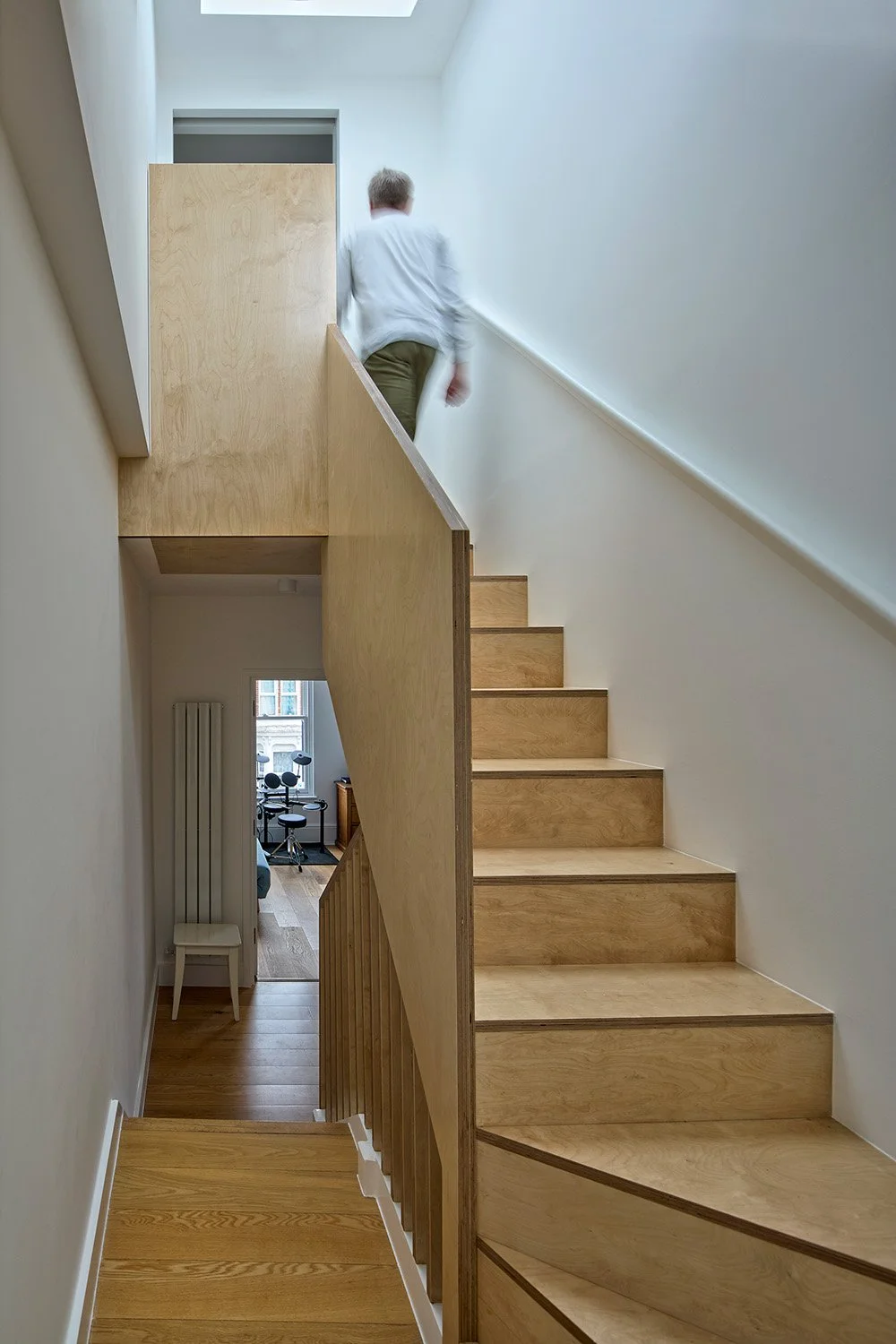
Lower Clapton, Hackney: a Victorian home upgraded with breathable insulation, careful detailing and improved comfort.
Damp and mould are rarely isolated problems. They are signals that a home is out of balance.
In many London period properties, attempts to improve comfort or reduce energy bills can unintentionally make things worse. New insulation is added without ventilation. Windows are replaced but airflow is not considered. Extensions are built without addressing how old and new parts of the house will breathe together.
At Studio CMA, we approach damp and mould as part of a wider whole-house retrofit strategy. That means looking at the building as a complete system rather than applying surface fixes. When moisture builds up, it is usually because heat, air and vapour are no longer moving safely through the fabric of the home.
If you are planning a retrofit, extension or interior renovation, moisture control must be integrated from the outset. Insulating a solid brick wall, upgrading floors, improving airtightness or introducing new glazing all change how a building behaves. Without a coordinated plan, small upgrades can increase condensation risk.
A successful retrofit depends on sequencing improvements carefully. That includes understanding wall construction, ventilation options, heating upgrades and how new spaces connect to existing ones.
Damp prevention is therefore not a standalone repair issue. It is a design issue. And when handled correctly, it leads to homes that are warmer, healthier, quieter and far more resilient over time.
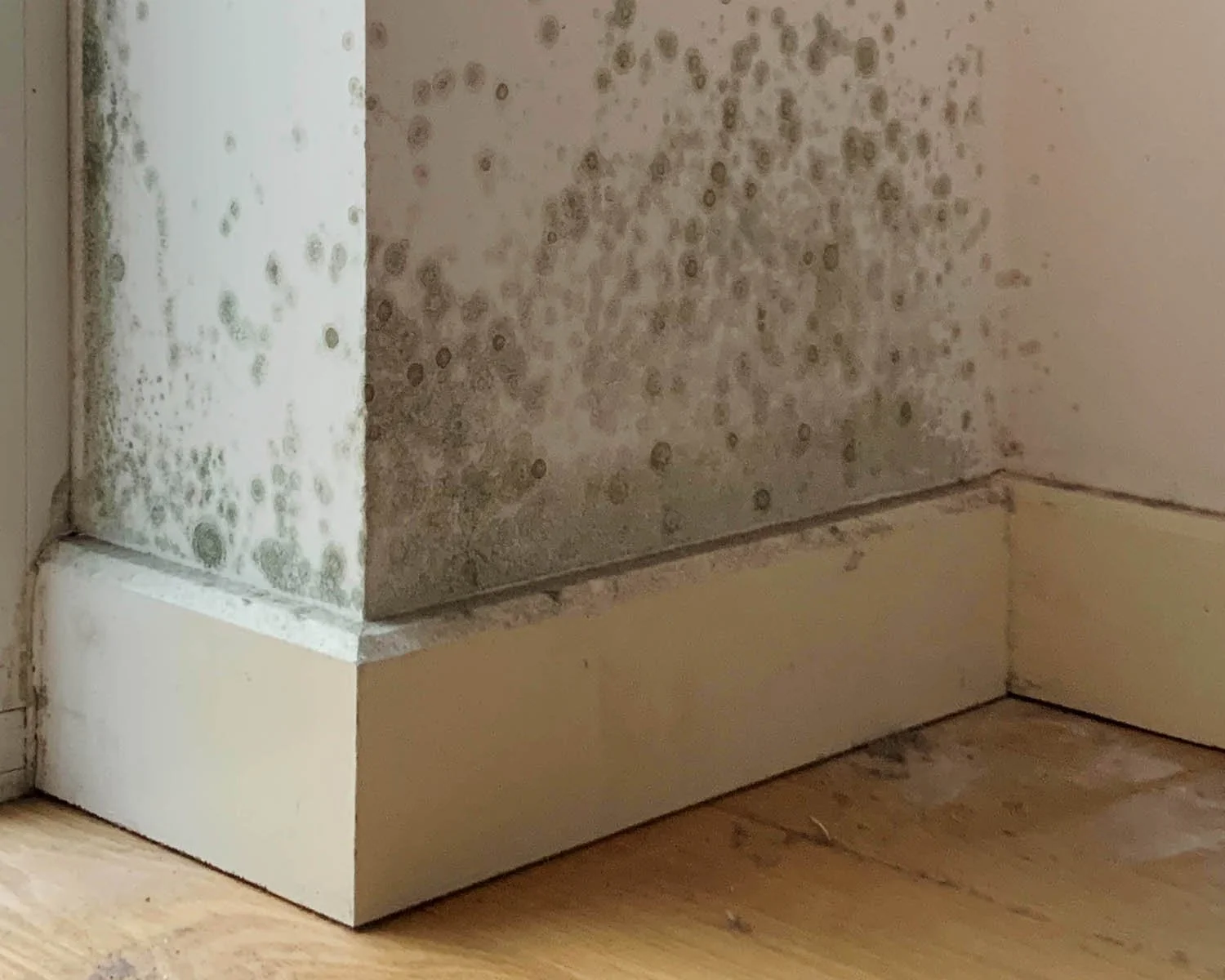
Damp and mould are usually signs that heat, air and moisture are no longer moving safely through the home.
Where Damp Comes From in London Period Homes
Moisture enters a home from several directions. Some routes are external and some are created by everyday living.
Rain can pass through ageing brickwork, especially where hard cement has been applied over original lime joints. Ground moisture can rise into basements and lower ground floors where ventilation has been blocked or membranes have failed.
Inside, moisture appears every time we wash, cook or simply breathe. In an older home with cold surfaces, this vapour condenses quickly. It gathers on window reveals, in corners and on cold external walls.
Furniture can make matters worse. A wardrobe pressed tightly against a cold wall traps stale air. That pocket cools down, becomes damp and creates the perfect surface for mould to grow.
Understanding the source of moisture is the first step. The next is to see how insulation, ventilation and materials support or disrupt the home’s natural drying cycle, particularly when insulating a period London home.
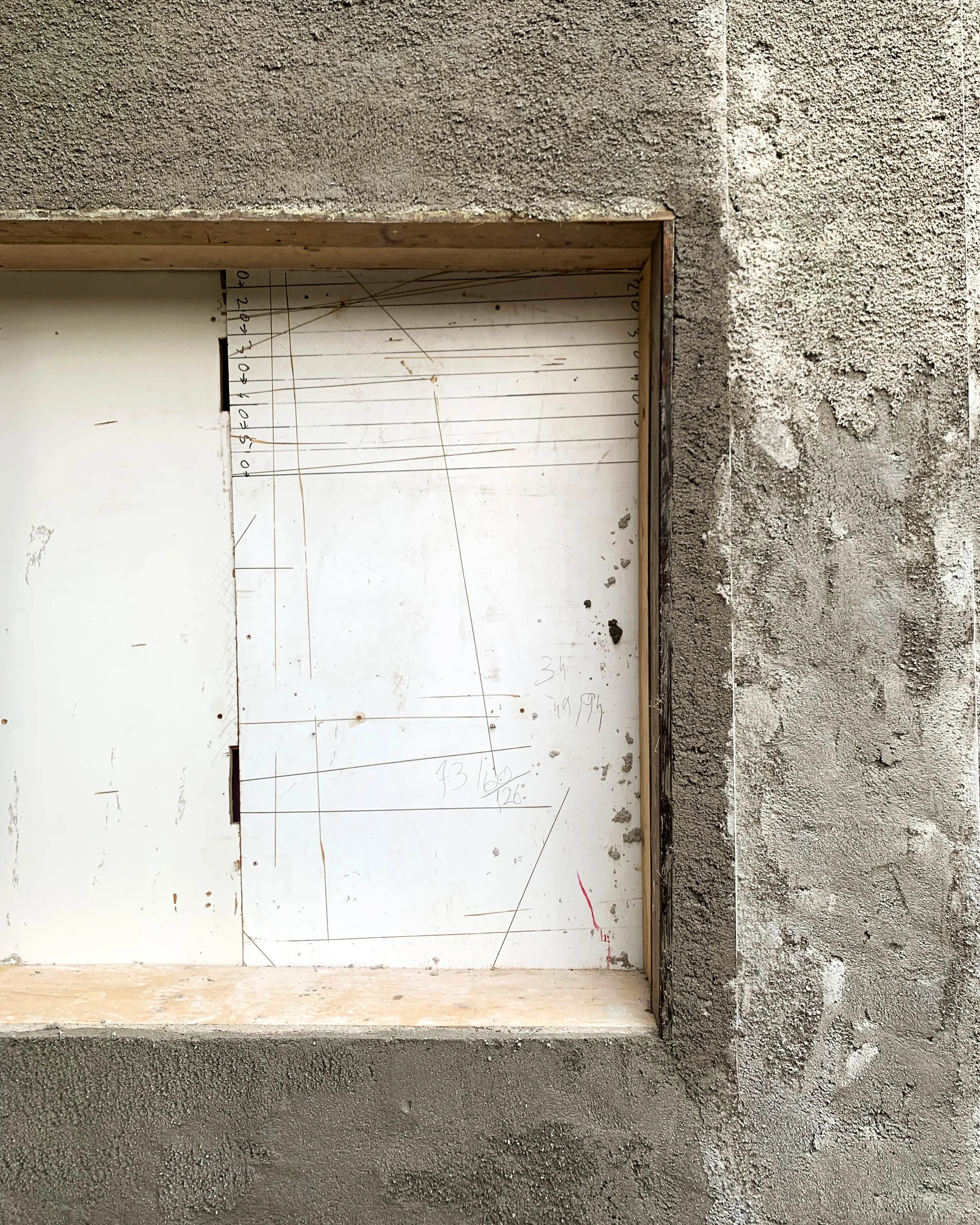
Window reveals and external corners are often where cold surfaces and condensation risks appear first.
How Insulation Helps or Harms
A well insulated home should feel warm, dry and stable. The right approach reduces cold surfaces, keeps moisture moving safely and creates a gentler internal environment throughout the year. Poorly planned insulation can do the opposite. It can trap moisture, cool down adjacent areas and create new mould risks.
Common problems appear when insulation is applied selectively or without a moisture strategy. Examples include insulating only one side of a wall, boxing in chimney breasts without airflow, installing patchy loft insulation that leaves cold corners, or applying non-breathable foam boards to solid brickwork.
External wall insulation can transform a cold home, but only when it is installed with an understanding of how moisture moves through brick. Internal wall insulation can work well, but junctions and reveals need careful attention.
If you are weighing up internal vs external wall insulation for London period homes, this comparison explains how each approach affects moisture and long-term performance.
If you would like to understand why so many homeowners are dealing with damp behind new insulation, our analysis of the external wall insulation scandal explains what went wrong and how to avoid it.
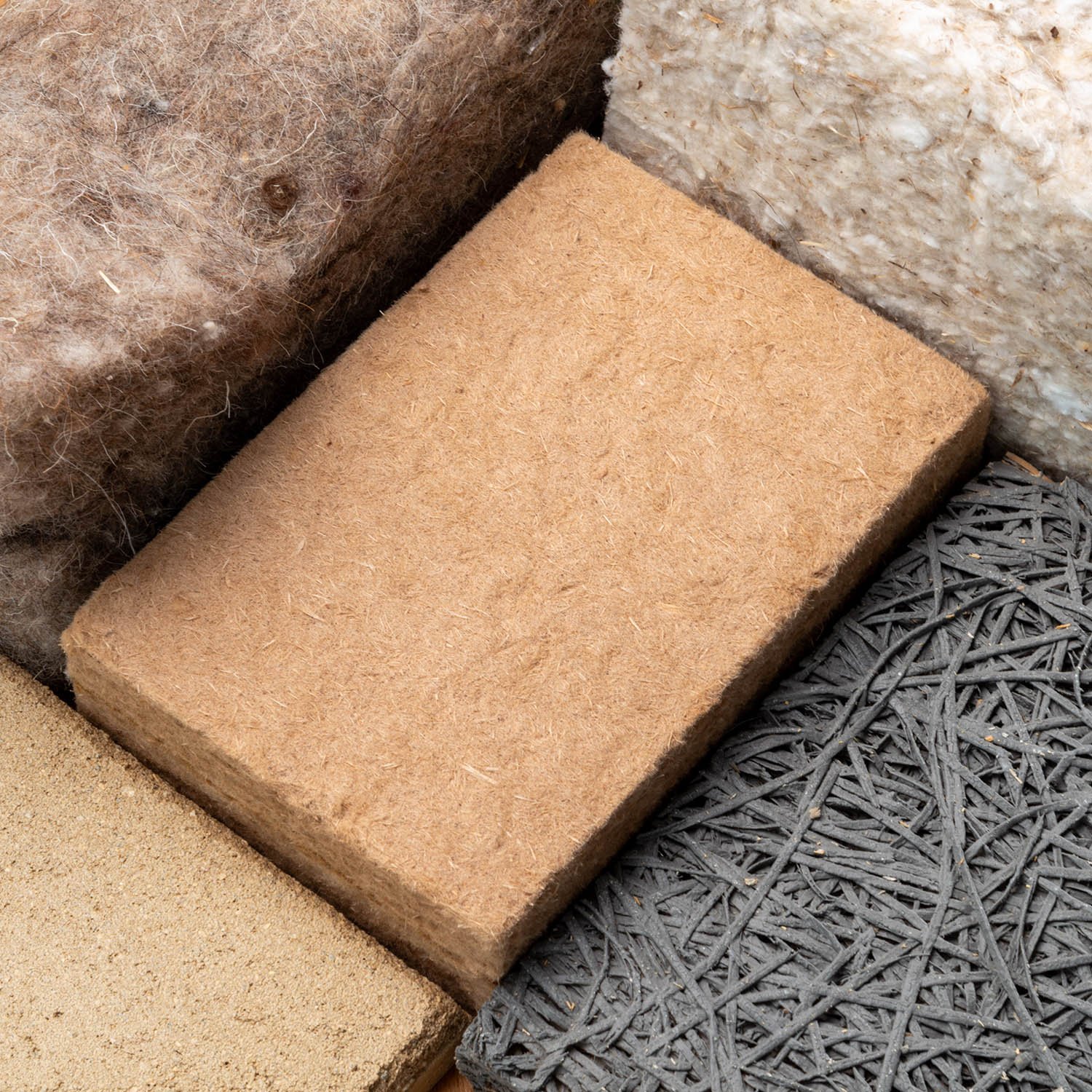
Breathable materials such as wood fibre, cork and hemp can help older walls dry more safely than impermeable insulation systems.
Breathability: Why Old Brick Walls Must Dry Out
Solid brick walls behave like a heavy wool coat. They absorb moisture from rain and humidity, and release it slowly as the weather changes. This works well as long as the wall can dry. When a non-breathable layer is added, it turns that wool coat into a plastic jacket. The moment moisture enters, it becomes trapped.
Old brickwork needs materials that support this natural movement. Breathable insulations such as wood fibre, cork and hemp allow moisture to pass through gently and evenly. Lime plasters help regulate humidity and create a calmer indoor environment.
If you would like to understand more about natural materials for sustainable London homes, this guide explains how they support breathability and long-term durability.
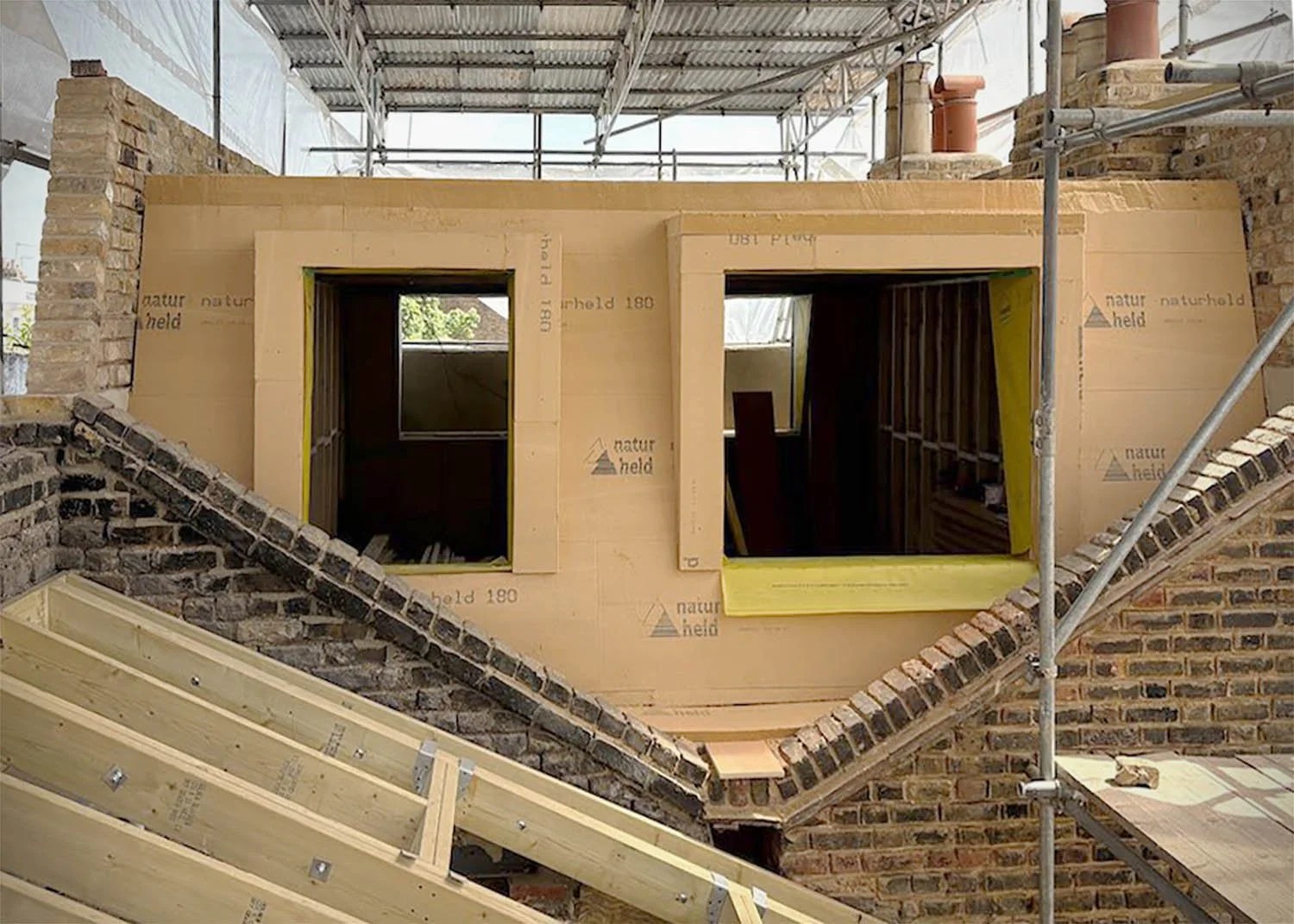
Breathable insulation needs careful detailing at junctions, corners and roof connections so the building fabric can stay warm and dry.
Cold Bridging: The Hidden Driver of Condensation
A cold bridge is a part of the structure that stays cold even when the rest of the room is warm. In simple terms, it is an area where heat escapes more quickly than the surrounding fabric.
Typical cold bridges in London terraces include chimney breasts, external corners of bay windows, steel beams inserted during past extensions, and floor junctions where a timber floor meets an external wall.
These areas usually need targeted detailing rather than broad insulation. They are also the places where rushed retrofit work causes long-term damage.
Ventilation: The Essential Partner of Insulation
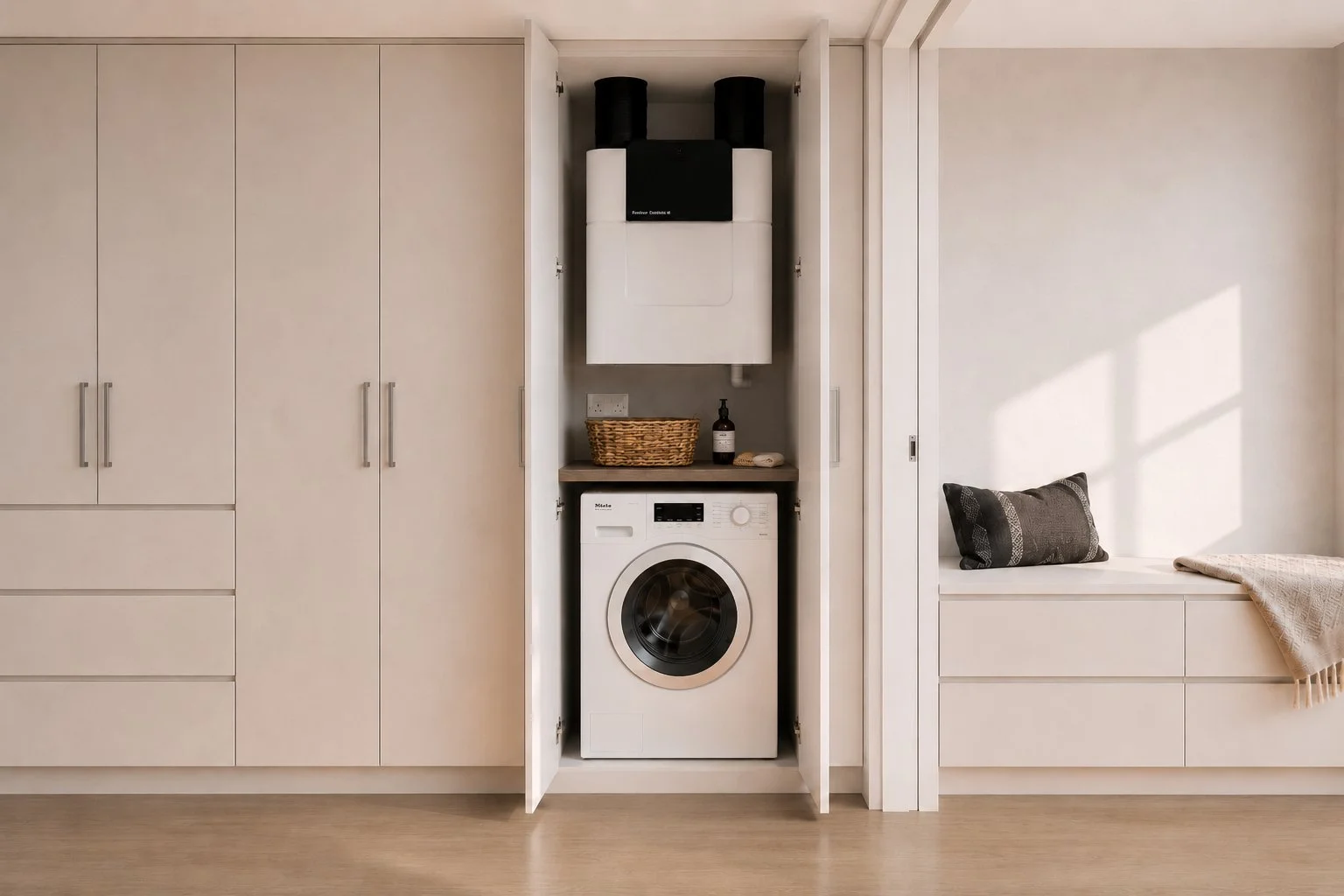
An MVHR unit can be integrated discreetly into joinery or utility storage. In airtight retrofit projects, controlled ventilation helps remove moisture while keeping the home comfortable.
Older homes rely on a constant flow of fresh air to stay dry. When insulation and airtightness improve, that natural flow reduces. This is a positive step for warmth, but only if ventilation is improved at the same time.
Good ventilation removes moisture at the right moments. It includes:
background ventilation
kitchen and bathroom extraction
trickle vents where appropriate
whole house systems such as MVHR in airtight homes
Draughts do not count as ventilation. They simply make a room colder without reliably removing moisture. Ventilation is the controlled movement of stale air out of the home and fresh air in.
To see how ventilation integrates with insulation, read our guide to airtightness and ventilation for old London houses in plain English.
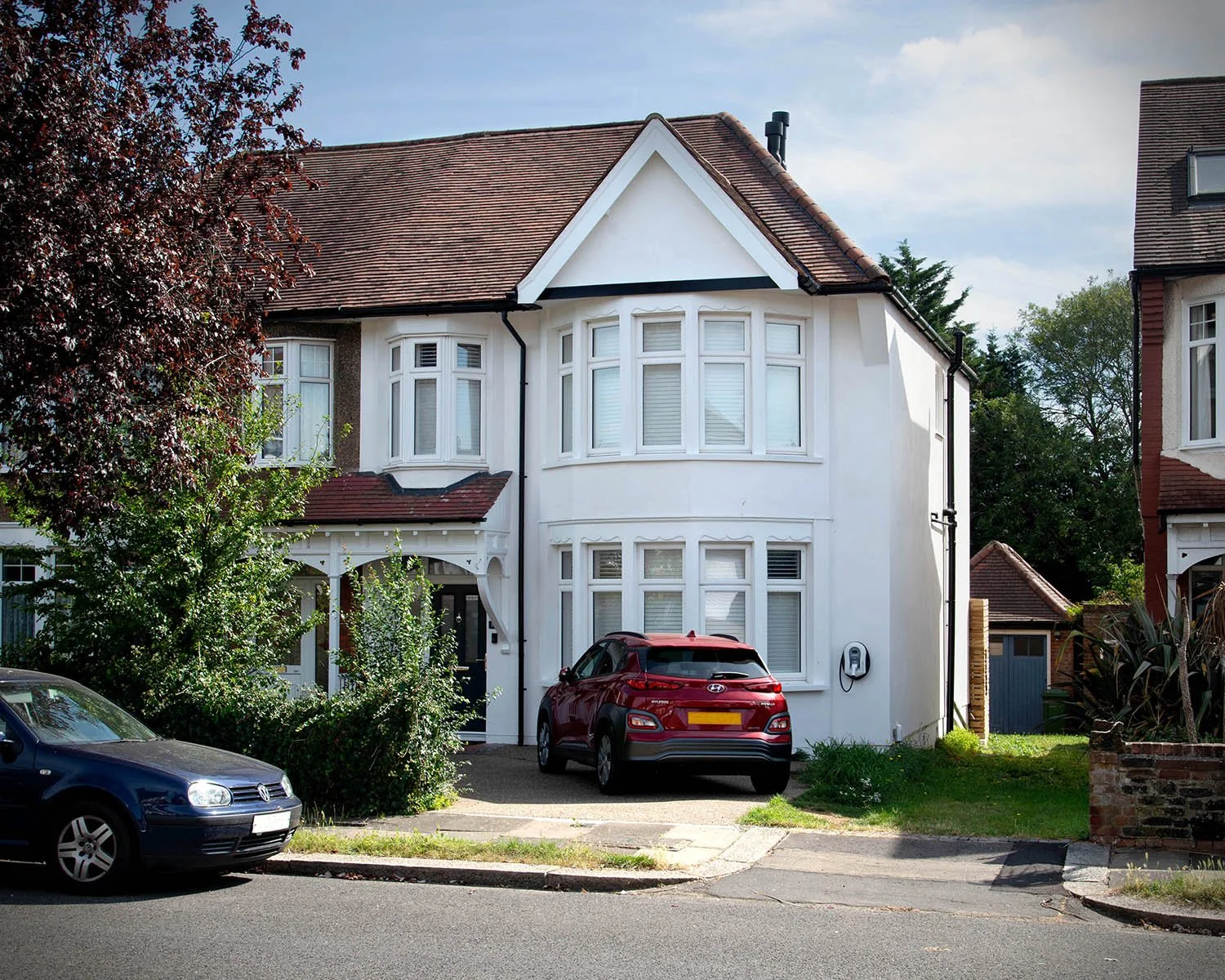
A breathable whole-house retrofit can help keep the building fabric dry while improving comfort, air quality and energy performance.
Where Damp Appears First in a Retrofit
Damp gives clear signals if you know where to look.
You may notice:
black spots in corners
mildew behind furniture
swelling skirting boards
peeling paint around windows
persistent condensation
musty odours in lofts or basements
These early signs reveal where cold spots or blocked moisture pathways exist. They are not a failure. They simply show that the home needs a clearer plan.
Common Retrofit Mistakes to Avoid
These are the mistakes we see most often across London:
insulating without upgrading ventilation
blocking air bricks under suspended floors
sealing fireplaces with no moisture pathway
applying non-breathable insulation to solid walls
painting external brickwork with waterproof coatings
insulating selectively and creating cold corners
installing vapour barriers without a strategy
ignoring junctions around beams, chimneys and bays
These issues are far easier to prevent than to resolve once they are embedded in the fabric. Early planning saves time, cost and worry.
What a Good Moisture Strategy Looks Like
A good moisture strategy starts before construction, with insulation, ventilation, heating and material choices considered together.
A successful moisture strategy considers how insulation, ventilation and materials work together over time rather than in isolation.
Our approach includes:
a whole house survey to understand moisture patterns
breathable materials chosen for your property
careful junction detailing
coordinated insulation and ventilation
safe routes for moisture to dry out naturally
a focus on comfort, health and long-term stability
When these parts work together, the home feels calmer, more comfortable and more stable over time.
What You Can Do Now as a Homeowner
There are simple steps you can take before appointing a professional:
take photographs of any damp or mould
move furniture slightly away from cold external walls
check that extract fans run long enough after use
clean trickle vents
monitor humidity levels in different seasons
note when and where condensation appears
These small actions help clarify the story of your home.
Local Examples from Studio CMA Projects
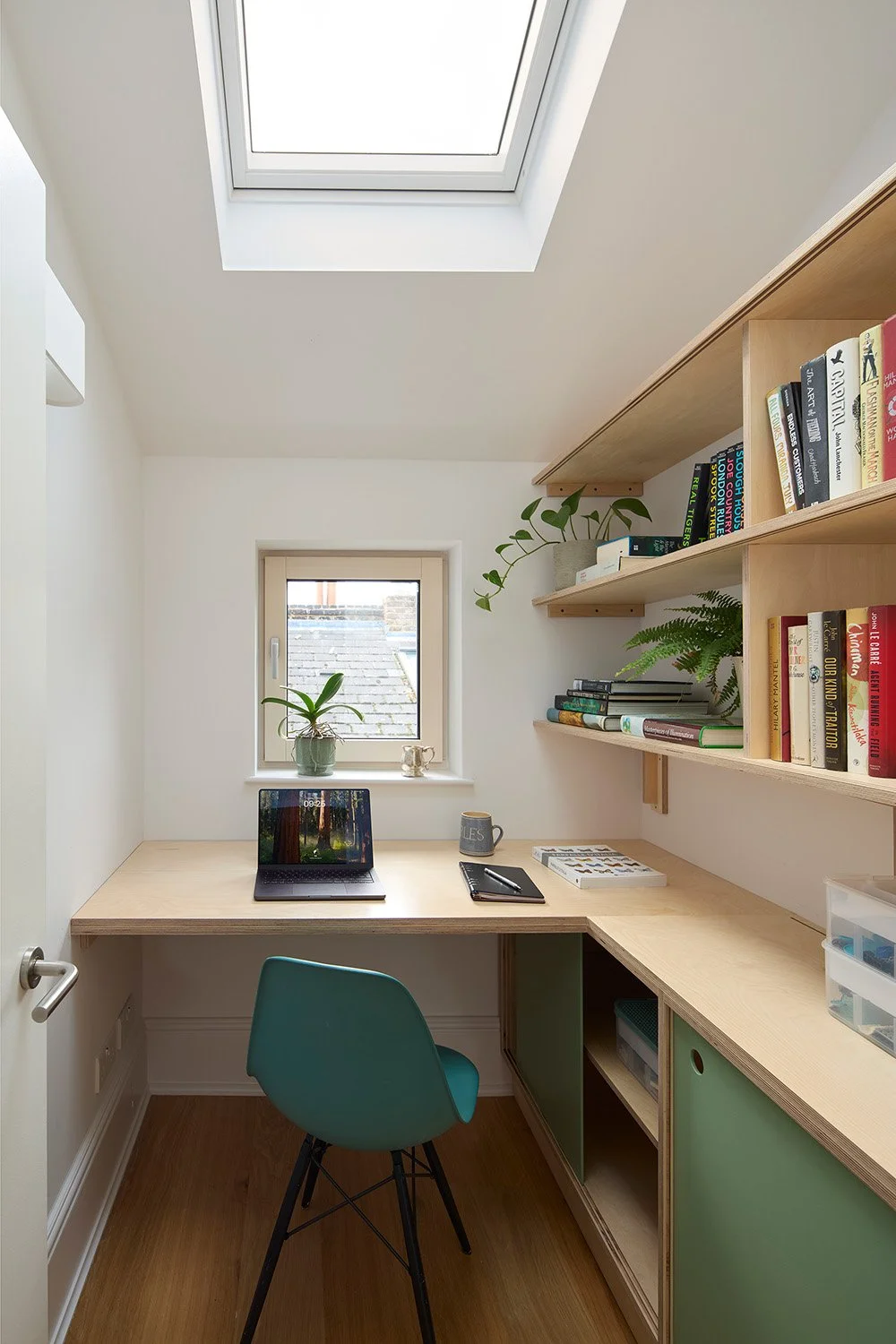
Lower Clapton, Hackney: a finished retrofit showing how careful insulation and detailing can create a warmer, calmer and healthier home.
For 15 years, Studio CMA has focussed predominantly on the sensitive reworking of period London homes. Each project has involved its own mix of alterations, refurbishments, extensions and deep-energy retrofits. Although there are familiar patterns across London’s housing stock, every property and every client has needed a different, well-considered solution. These examples show the range of local retrofit work that shapes comfort, performance and long-term resilience.
Arlington Square Conservation Area, Islington, N1
A Victorian terrace was reworked with internal wall insulation, double-glazed sash windows and a whole-house mechanical extraction system. The upgrades improved heat retention and indoor air quality while respecting the character of the conservation area.
North London, N22
An interwar mock-Tudor semi-detached home received a whole-house retrofit with breathable external cork insulation, loft insulation, a whole-house MVHR system, an air source heat pump and on-site renewable energy generation. Passivhaus-level triple glazing completed the fabric-first approach.
Wood Green, N22
A Victorian terrace was upgraded through careful floor and roof improvements. Natural hemp insulation was installed between suspended floor joists, with wood fibre insulation added to the loft extension. Passivhaus-level triple glazing supported a quieter, more stable indoor climate.
Lower Clapton, Hackney
A Victorian home was sensitively retrofitted with wood fibre internal wall insulation to solid brickwork, natural insulation between joists and warm wood fibre sarking boards to a new zinc-clad extension. Triple-glazed windows helped reduce heat loss and drafts.
Islington, N19
A two-storey flat within a Victorian semi-detached building was refurbished and extended with a loft conversion, natural wood fibre internal wall insulation and a whole-house MVHR system. Triple-glazed sash-lookalike windows maintained period character while improving energy performance.
Little Venice, Westminster
A grand Victorian townhouse was reunified from former bedsits and upgraded with breathable internal wall insulation, secondary glazing to preserve original windows and targeted airtightness measures. Low-VOC materials were used to support healthier indoor air.
Next Steps
Damp and mould are often signs that insulation, ventilation and fabric upgrades are not yet working together.
If you want to prevent problems before they arise, our Retrofit Strategy Service sets out how insulation, airtightness, ventilation and heating should be sequenced to improve comfort while reducing moisture risk.
An Architect’s Home Visit and Appraisal is an on-site feasibility review. We assess your building, budget range and constraints, and identify where moisture risks may sit before further upgrades are planned.
If you are unsure where to begin, the best starting point is a free 45-minute Project Consultation. We can help you decide whether a Home Visit and Appraisal or a Retrofit Strategy is the right next step for your home.