
How to Retrofit a Victorian Home in London: Where to Start and What Matters Most
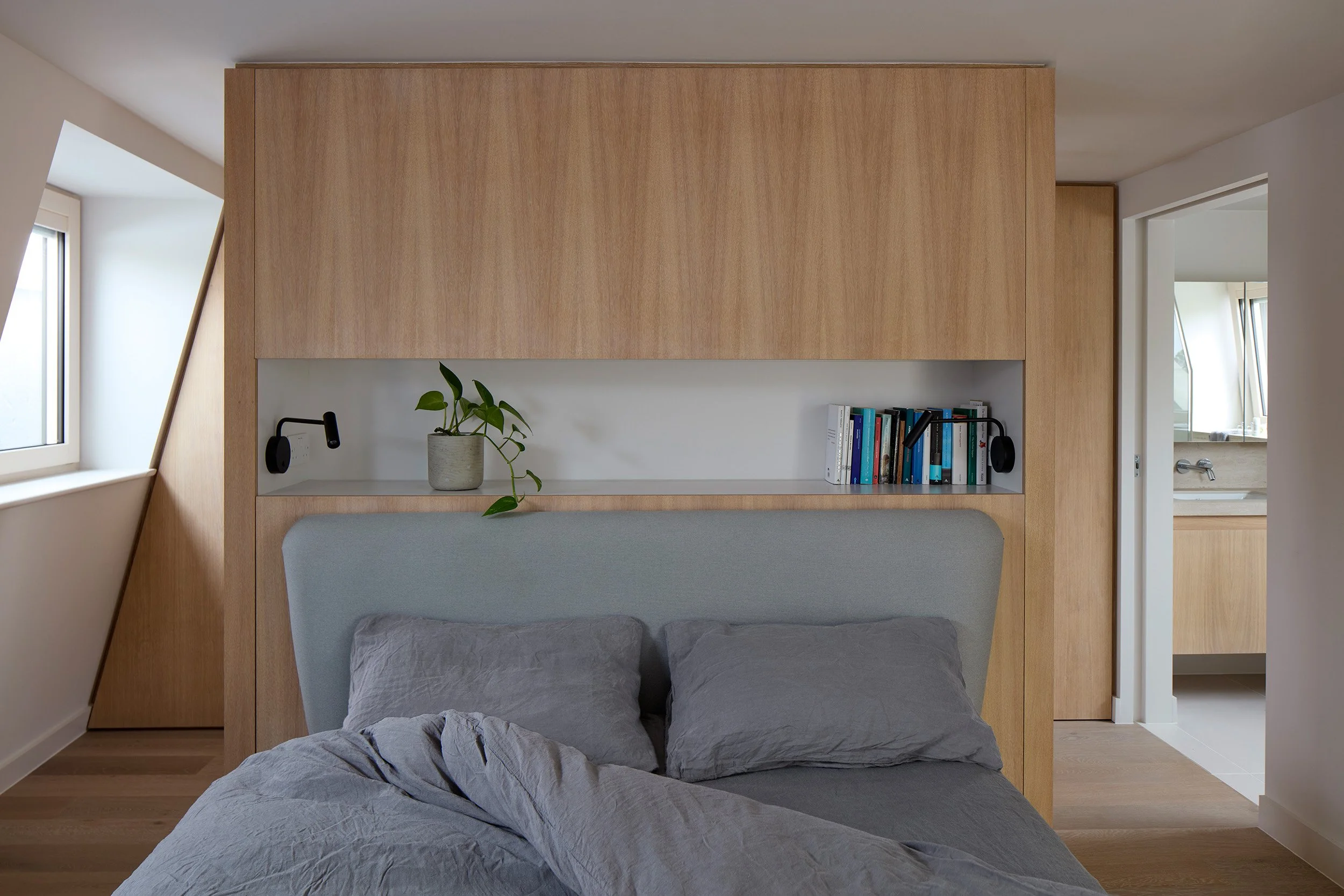
A carefully designed Victorian home in Hackney can feel calm, warm and balanced, without losing its character.
If you are planning a Victorian house renovation in London, you have probably already noticed something does not quite work.
You might already know which rooms feel cold. Which ones overheat. Which spaces you avoid without really thinking about it.
Walk into most Victorian homes and, beneath the character, you will usually find the same problems.
Cold rooms in winter.
Overheating in summer.
Condensation on windows.
Drafts you can feel but cannot quite locate.
Many homeowners assume the solution is simple. Add insulation. Replace the boiler. Upgrade the windows.
But Victorian homes do not work like modern buildings.
And treating them as if they do often leads to disappointing results, or worse, long-term problems.
The real question is not:
👉 “What upgrades should I install?”
It is:
👉 How should I approach improving this home as a whole?
Why Victorian homes are different
Victorian houses were built to breathe.
Solid brick walls, timber floors, open fireplaces, and natural ventilation all worked together as a system. Moisture could move through the building fabric. Air could circulate freely.
When we introduce modern upgrades without understanding this, we often disrupt that balance.
That is when problems begin:
Damp appears where it didn’t before
Mould forms in corners and behind furniture
Rooms feel stuffy or uncomfortable
It is not because upgrades are wrong.
It is because they have been applied in isolation.
If you want to see how these challenges play out in a typical London terrace, we break this down step-by-step in our guide to insulating a Victorian terrace in London.
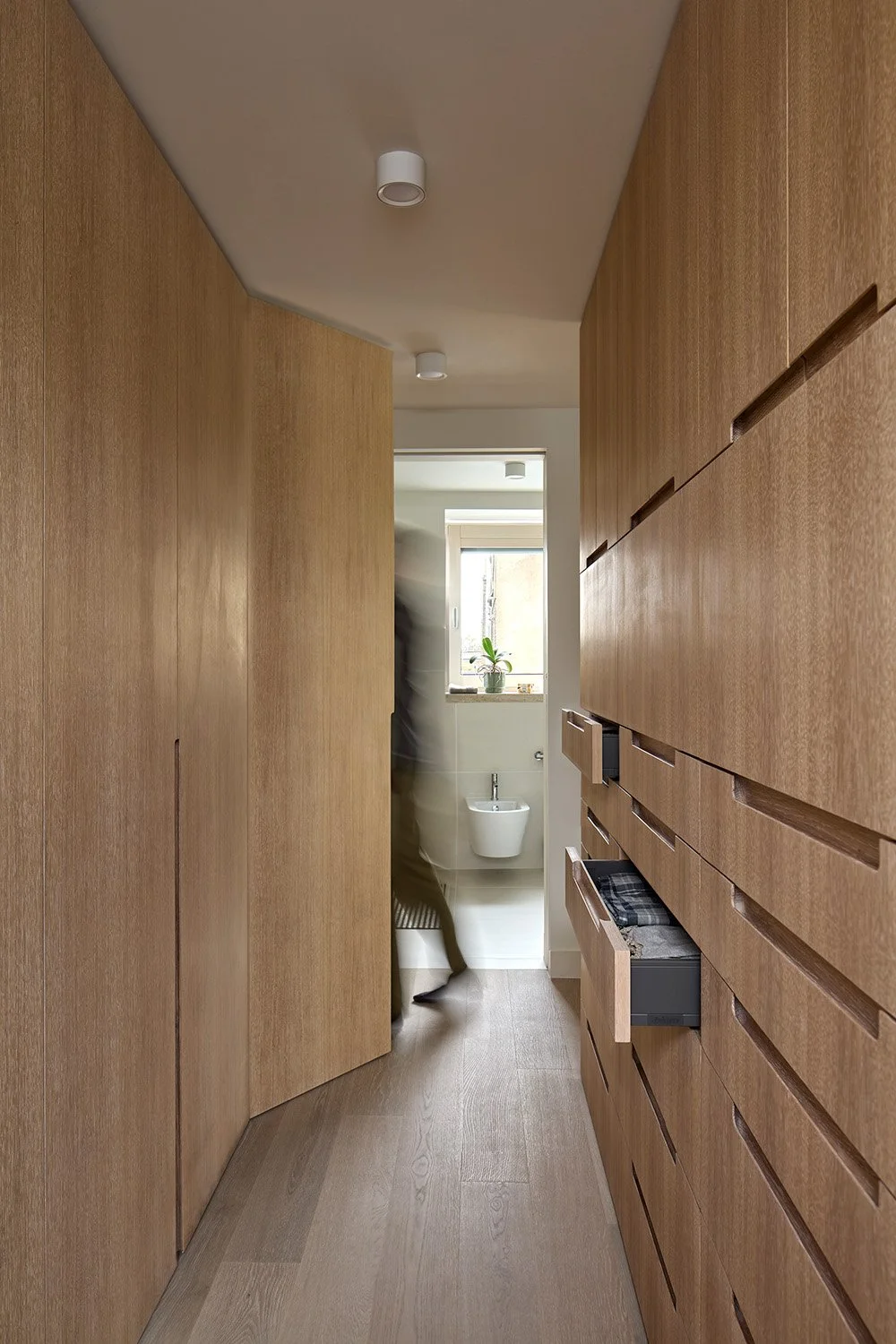
Victorian homes often feel constrained or uneven in use, with spaces that were not designed for modern living.
The common mistake: treating upgrades as separate decisions
Most Victorian house renovations follow a similar pattern.
A homeowner decides to:
Insulate the walls
Upgrade the heating system
Replace windows
Each decision makes sense on its own.
But without a coordinated approach, they can conflict.
For example:
Adding insulation without addressing ventilation can trap moisture
Installing a heat pump without reducing heat loss can lead to poor performance
Improving airtightness without a fresh air strategy can affect indoor air quality
👉 The result is a home that still does not feel comfortable, despite significant investment.
We often see projects where insulation, heating and ventilation are designed separately. The result is a home that costs more to build, takes longer to deliver, and still does not feel right to live in. Fixing those problems later is far more difficult than getting the sequence right from the start.
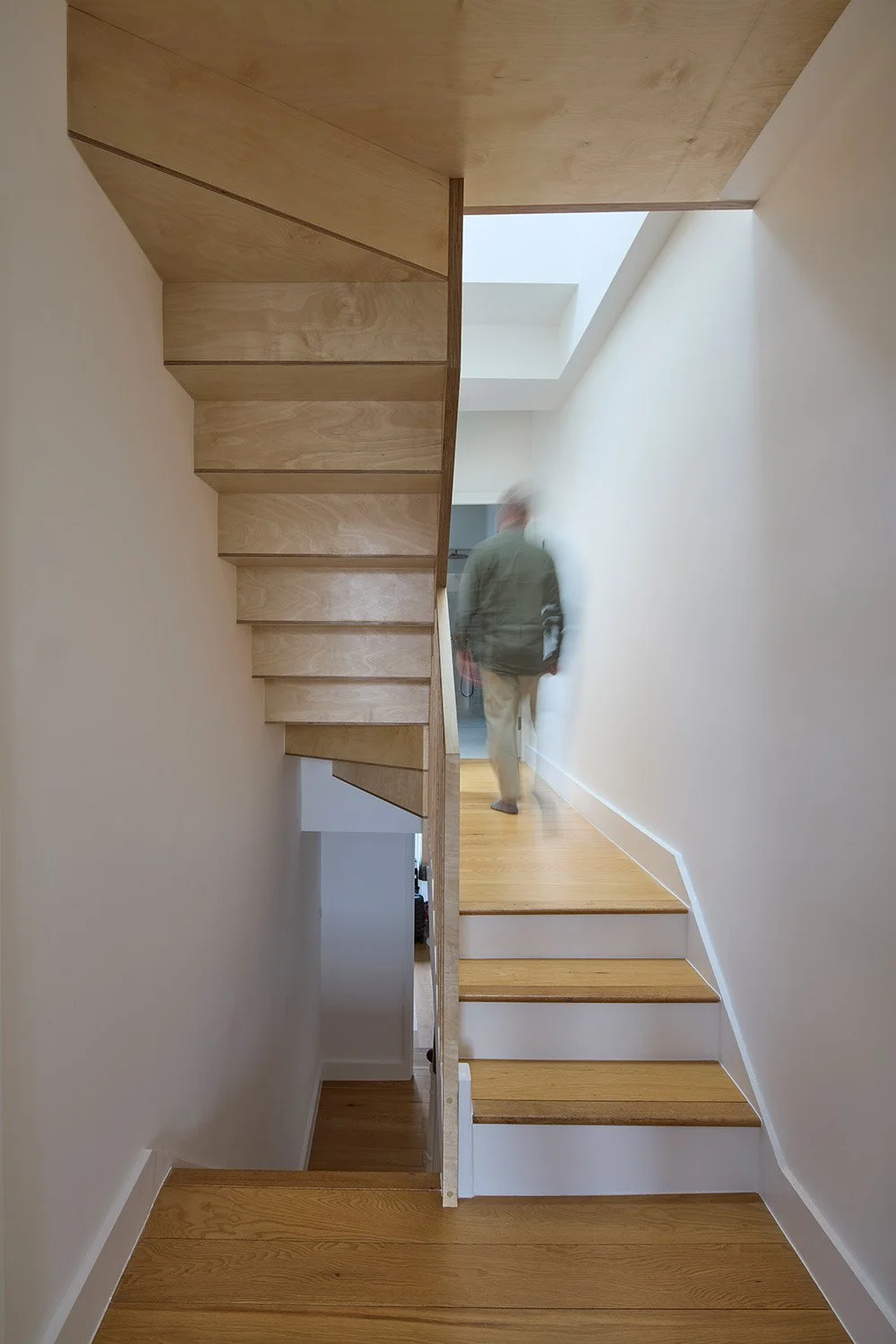
A better approach: think in systems, not parts
Retrofitting a Victorian home is not about individual upgrades. It is about understanding how the whole building works and improving it in a coordinated way. We explore this in more detail in our guide to a whole-house retrofit approach.
We think about this in three connected layers:
1. The building fabric
Walls, floors, and roof.
This is where heat is lost and where moisture moves.
Understanding how heat is lost through these elements is critical. We explain this in more detail in our guide to insulating a London home.
You can think of this like clothing. If you go outside in winter wearing a thin shirt, no heating system will keep you comfortable. But get the layers right, and everything else becomes easier.
This is often referred to as a fabric first approach, where improving the building itself comes before upgrading systems.
2. Airtightness and ventilation
How air enters and leaves the building.
This affects comfort, energy use, and health.
As airtightness improves, ventilation becomes more important. Without a clear strategy, you risk poor air quality and moisture problems. We cover this in detail in our guide to ventilation systems for London homes, including Mechanical Ventilation with Heat Recovery.
3. Heating and systems
How the home is warmed and controlled.
This only works well if the first two are right.
For example, low-temperature systems like heat pumps only work well when heat loss has been reduced first. We explain this in our guide to installing a heat pump in a London home.
👉 The sequence matters.
If you start at the end, with systems, you often end up compensating for problems that could have been solved earlier.
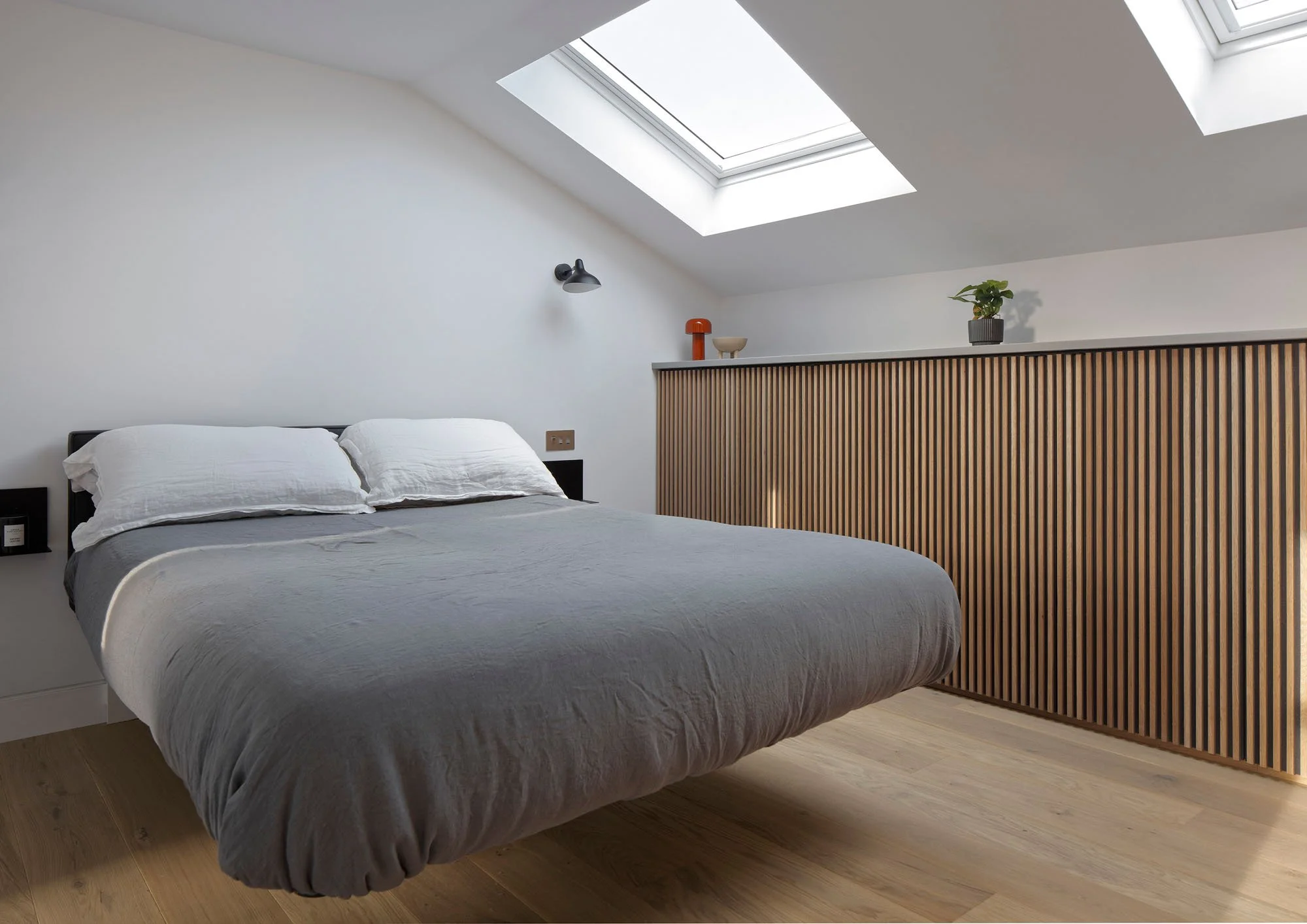
When the whole house is considered together, the result feels simple, calm and coherent.
What this means in practice
Before making decisions about specific upgrades, it is worth stepping back and asking a few key questions:
Where is heat currently being lost?
How does moisture move through the building?
What is causing discomfort today?
What level of improvement are you aiming for?
This is where a whole-house assessment becomes essential.
Rather than guessing, we model how the building performs and test different scenarios. This helps avoid costly mistakes and ensures each decision supports the next.
Where insulation fits in
Insulation is one of the most important parts of improving a Victorian home.
But it is not a standalone solution.
Different approaches carry different trade-offs:
External insulation can improve performance significantly but may affect appearance
Internal insulation can be more discreet but requires careful detailing to avoid condensation
Floors and roofs each have their own constraints and opportunities
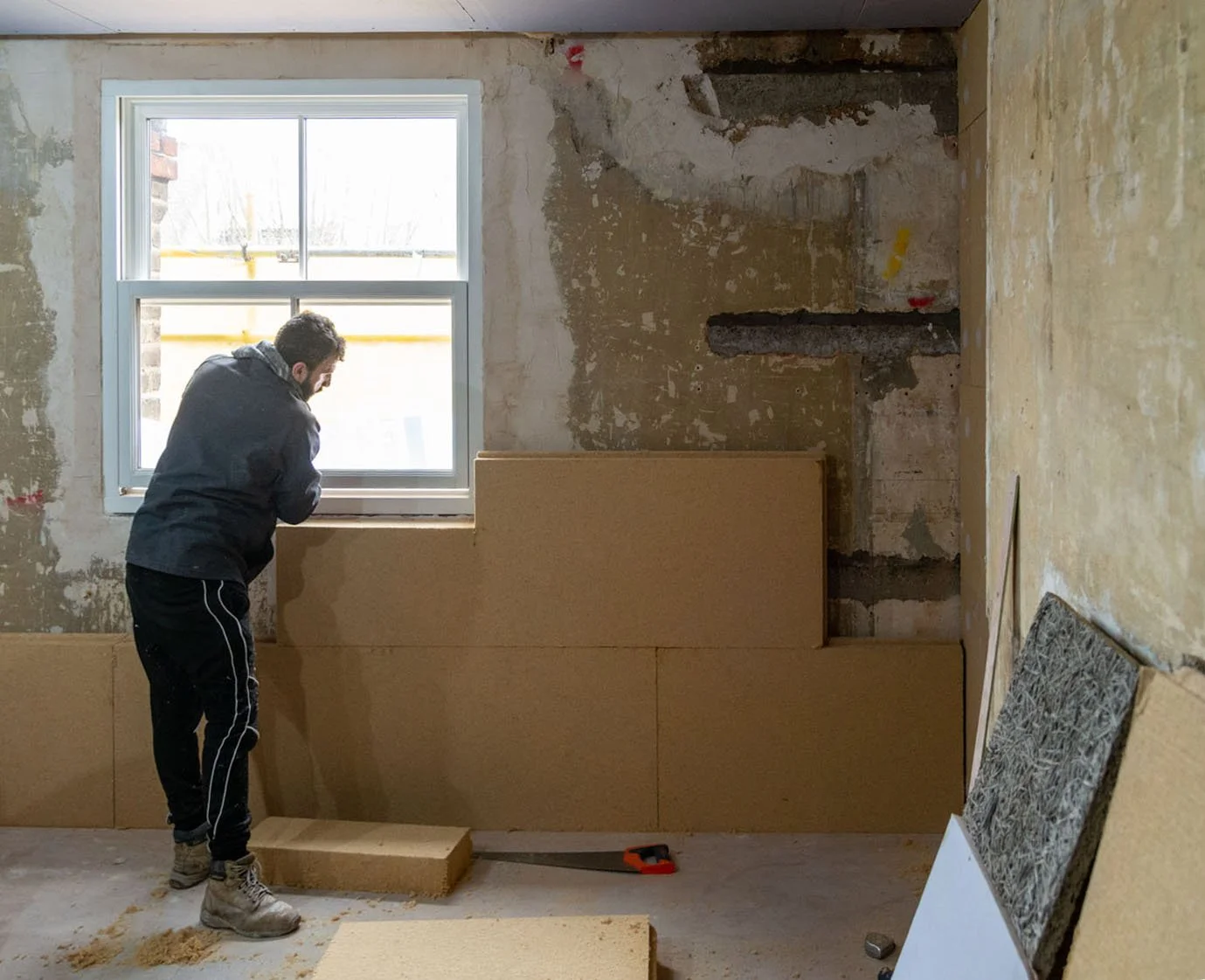
Insulation is not simply added to a wall. It affects how the entire building performs, from moisture movement to window detailing and ventilation.
👉 We explore these in detail in our guide to how to insulate a London home, and show how these decisions play out in practice in our article on insulating a Victorian terrace in London.
The key point is not which option is “best” in isolation, but which approach works for your home as a whole.
Planning and conservation constraints
In London, many Victorian homes sit within conservation areas or are listed.
This adds another layer of complexity.
Changes to:
External appearance
Windows
Roofs
Renewable technologies
may require consent.
The good news is that guidance has evolved. Sensitive upgrades are increasingly supported, especially where they improve energy performance without harming character.
The challenge is not whether change is possible.
It is how to design it carefully.
Why sequence matters more than individual decisions
One of the biggest differences between a successful retrofit and a disappointing one is sequencing.
For example:
Improving the fabric first reduces the size and cost of the heating system
Addressing airtightness early avoids rework later
Planning ventilation alongside insulation prevents future issues
When decisions are made in the wrong order, projects often become more expensive and less effective.
What a well-considered retrofit delivers
When a Victorian home is approached as a whole system, the results are noticeable.
Rooms feel consistently warm in winter and cooler in summer.
Drafts disappear.
Air feels fresher.
Energy bills reduce.
That cold corner you used to avoid in winter disappears. The house feels stable, not reactive.
More importantly, the house becomes easier to live in.
Not just more efficient, but more comfortable, healthier, and more predictable.
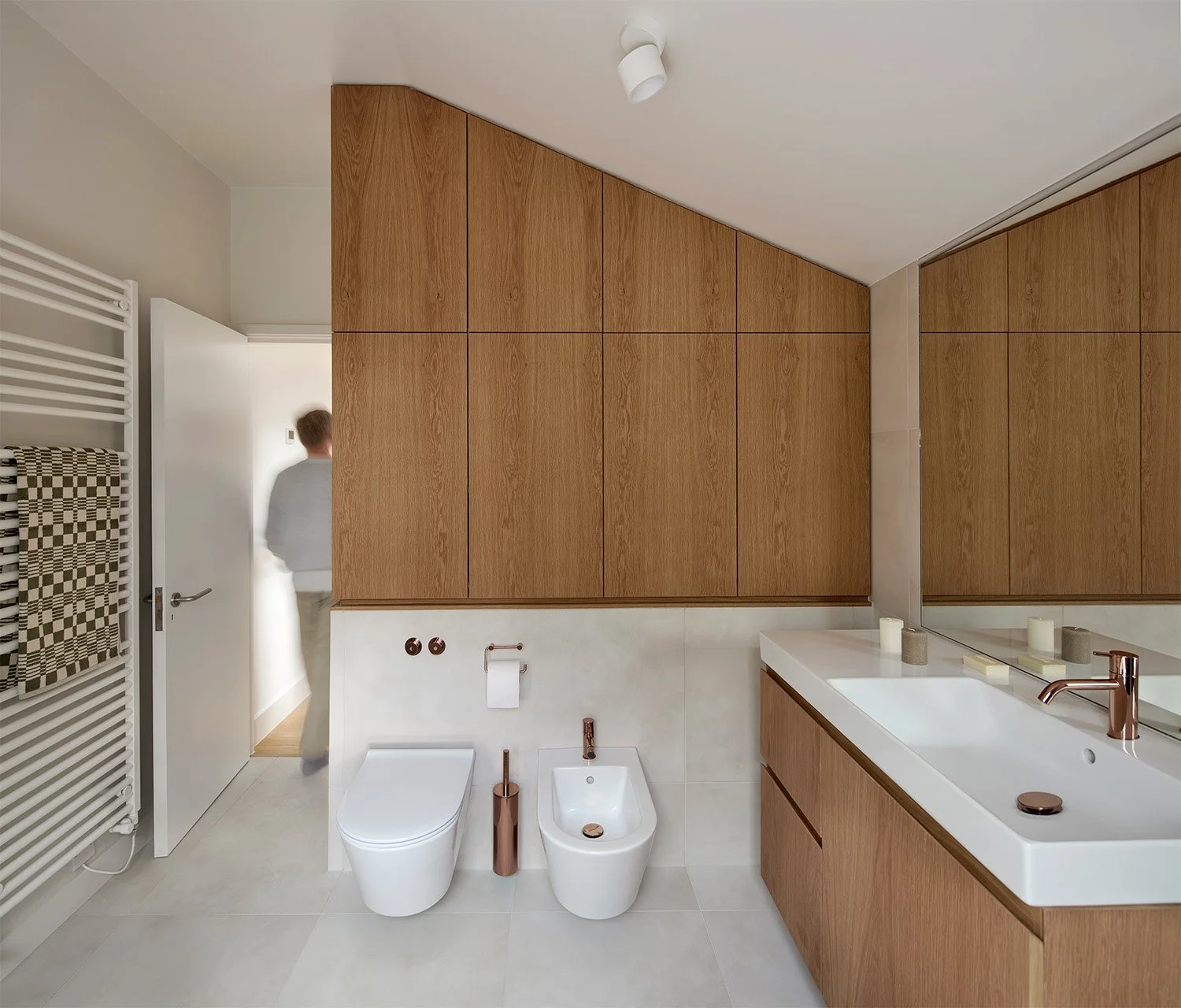
A well-planned retrofit creates spaces that feel stable, comfortable and easy to live in.
Where to start
The most effective place to begin is not with a product or a specification.
It is with a clear strategy.
This is particularly true in a Victorian house renovation, where early decisions shape everything that follows.
That means:
Understanding how your home currently performs
Defining what you want it to achieve
Mapping out a sequence of improvements
For many homeowners, the right first step is an Architect’s Home Visit and Appraisal. This gives you a clear, early view of what is possible, where the risks are, and which decisions need to be made before you commit to a wider renovation.
If your project is more complex, or you already know energy performance is a priority, a Retrofit Strategy Service can help you test options, understand trade-offs, and set a sensible sequence before detailed design begins.
From there, individual decisions about insulation, ventilation and heating become much clearer.
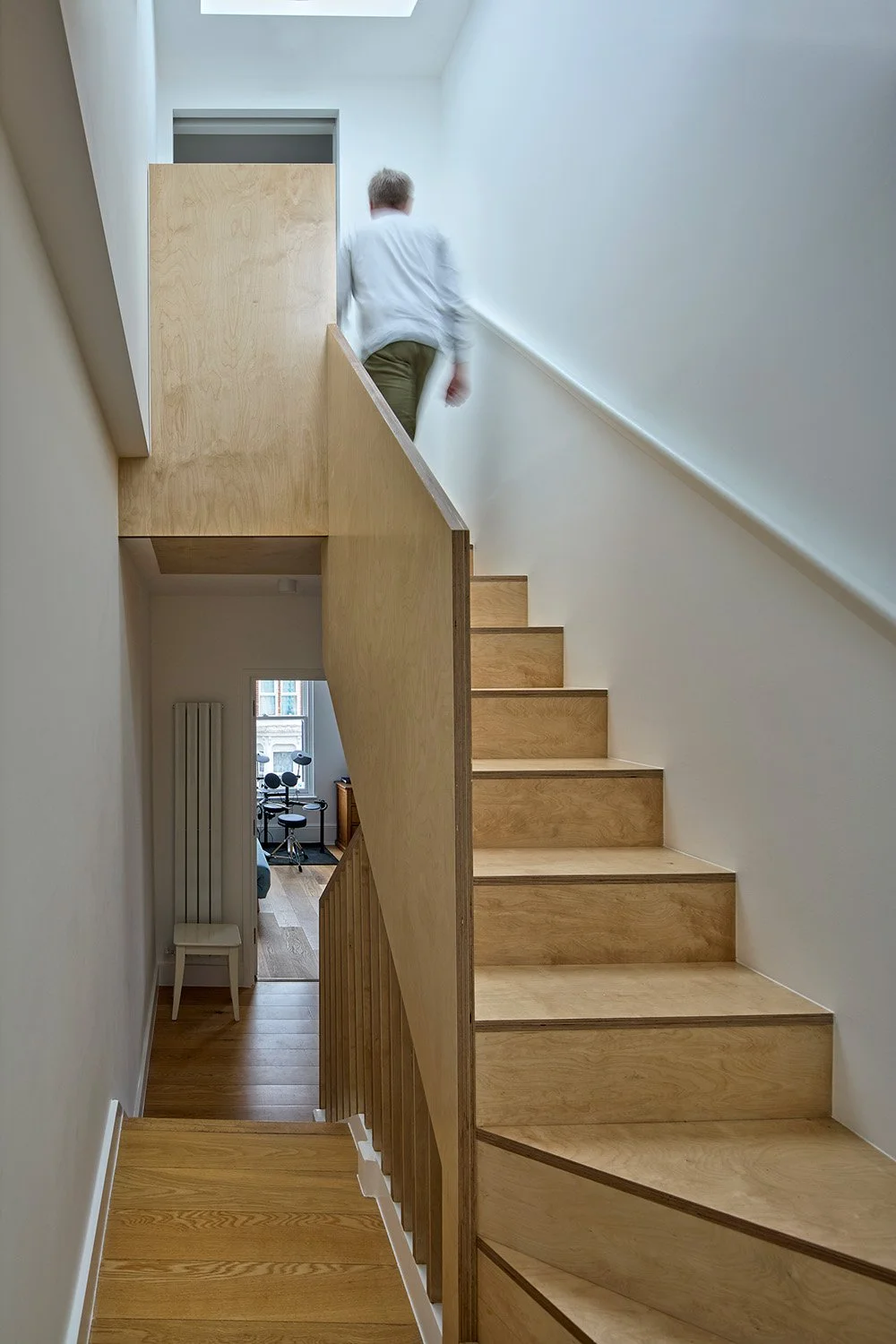
A clear strategy creates a sequence, where each decision supports the next.