
Natural Materials for Retrofitting London Period Homes
Most homes don’t feel right. And materials are often the reason.
You can sense it, even if you cannot explain it.
A cold corner you avoid in winter.
Condensation on the windows in the morning.
A bedroom that feels heavy and stale at night.
Rooms that swing from chilly to overheating within a few hours.
These are not just insulation problems.
They are often material problems.
The way your home is built, and the materials used within it, directly affect how it performs and how it feels to live in.
When we talk about natural materials here, we are not talking about interior styling or finishes. We are talking about the fabric of the building. The layers that make up your walls, floors, and roof. The parts you rarely see, but experience every day.
If you are new to the idea of upgrading an existing home, it is worth first understanding what a whole-house retrofit involves.
This is not a trend. It is a correction.
For centuries, buildings in London were made from simple, natural materials. Brick, timber, lime, clay. Materials that worked with the building, not against it.
Then construction changed.
Speed increased. Costs were reduced. Materials became more industrial, more sealed, more synthetic.
On paper, many of these materials perform well.
In reality, the results are often less convincing.
Homes that trap moisture instead of releasing it.
Walls that cannot dry once they get wet.
Spaces that feel either too cold or too hot, with little in between.
The renewed interest in natural materials is not about nostalgia.
It is a response to these problems.
A quiet correction back towards materials that support comfort, durability, and health over decades, not just on day one.
This shift sits alongside a broader move towards low-energy and Passivhaus-informed design.

Natural materials have shaped buildings for centuries, creating structures that age well and work with their environment.
How older buildings actually work
Most London period homes were built as breathable systems.
That simply means this:
Moisture moves through the building fabric.
Walls absorb it, hold it, and release it again.
This movement is not a flaw.
It is how the building stays stable and balanced.
When modern, non-breathable materials are introduced into this system, that balance is disrupted.
Moisture becomes trapped.
Surfaces stay damp for longer.
Insulation performs worse than expected because it is no longer dry.
This is one of the key reasons why insulating a period London home requires a different approach to modern construction.
A useful way to think about it is clothing.
A breathable jacket keeps you warm and dry because moisture can escape.
A plastic jacket might look protective, but you quickly become clammy and uncomfortable.
Buildings behave in much the same way.
How to choose the right materials for a retrofit
This is where most homeowners get stuck.
There are endless products, claims, and specifications.
But the decision is not about choosing the “best” material in isolation.
It is about choosing materials that work together, and work with your building.
A simple framework helps.
1. Compatibility with the existing building
Does the material suit solid wall construction?
Older homes were not designed for sealed systems. Introducing incompatible layers can interrupt how the wall manages moisture and lead to problems that only appear months or years later.
This is a core principle of why a fabric first retrofit approach matters.
2. Breathability
Often described as vapour permeability. In simple terms, it means a material allows moisture to pass through it rather than trapping it.
Breathable materials reduce the risk of hidden damp and help the building regulate itself naturally.
This is also fundamental to how to create a healthier home.
3. Low toxicity
Many modern materials release chemicals into the air over time.
Natural materials tend to have lower emissions, contributing to cleaner, healthier indoor air, particularly in bedrooms and living spaces where you spend the most time.
4. Real-world performance
Some materials perform well in perfect laboratory conditions but struggle on site.
Older buildings are uneven, irregular, and full of variation. Natural materials tend to be more forgiving, adapting to these conditions rather than fighting them.
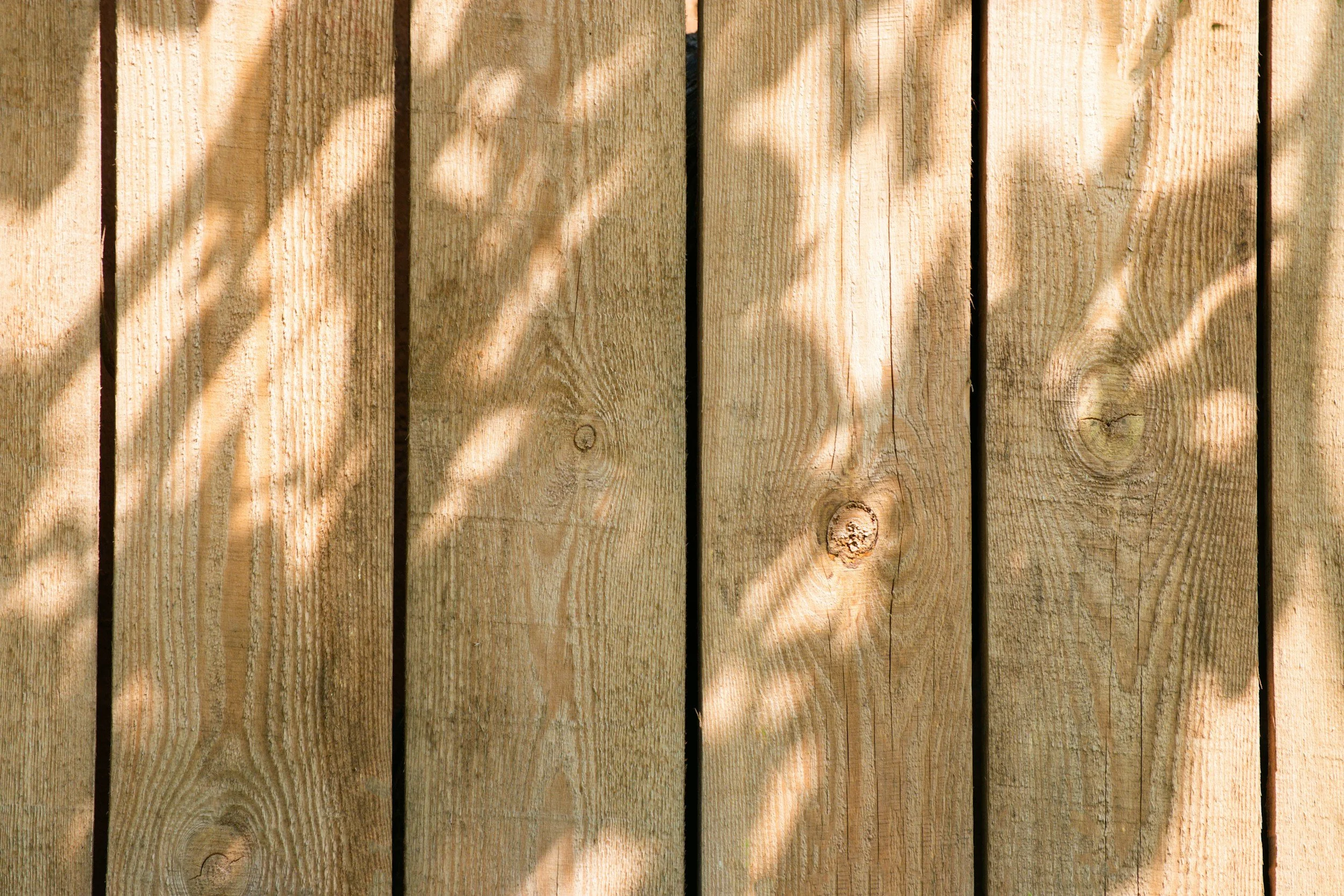
Natural materials are not just seen. They are felt through texture, light, and subtle variation.
Key natural materials in retrofit
This is not a catalogue. These are the materials we return to again and again because they work.
Timber
Timber is a flexible, adaptable material that works comfortably within traditional construction.
It is often used for structure and framing, where its ability to accommodate small movements is valuable. It also stores carbon, making it a lower-impact alternative to more energy-intensive materials.
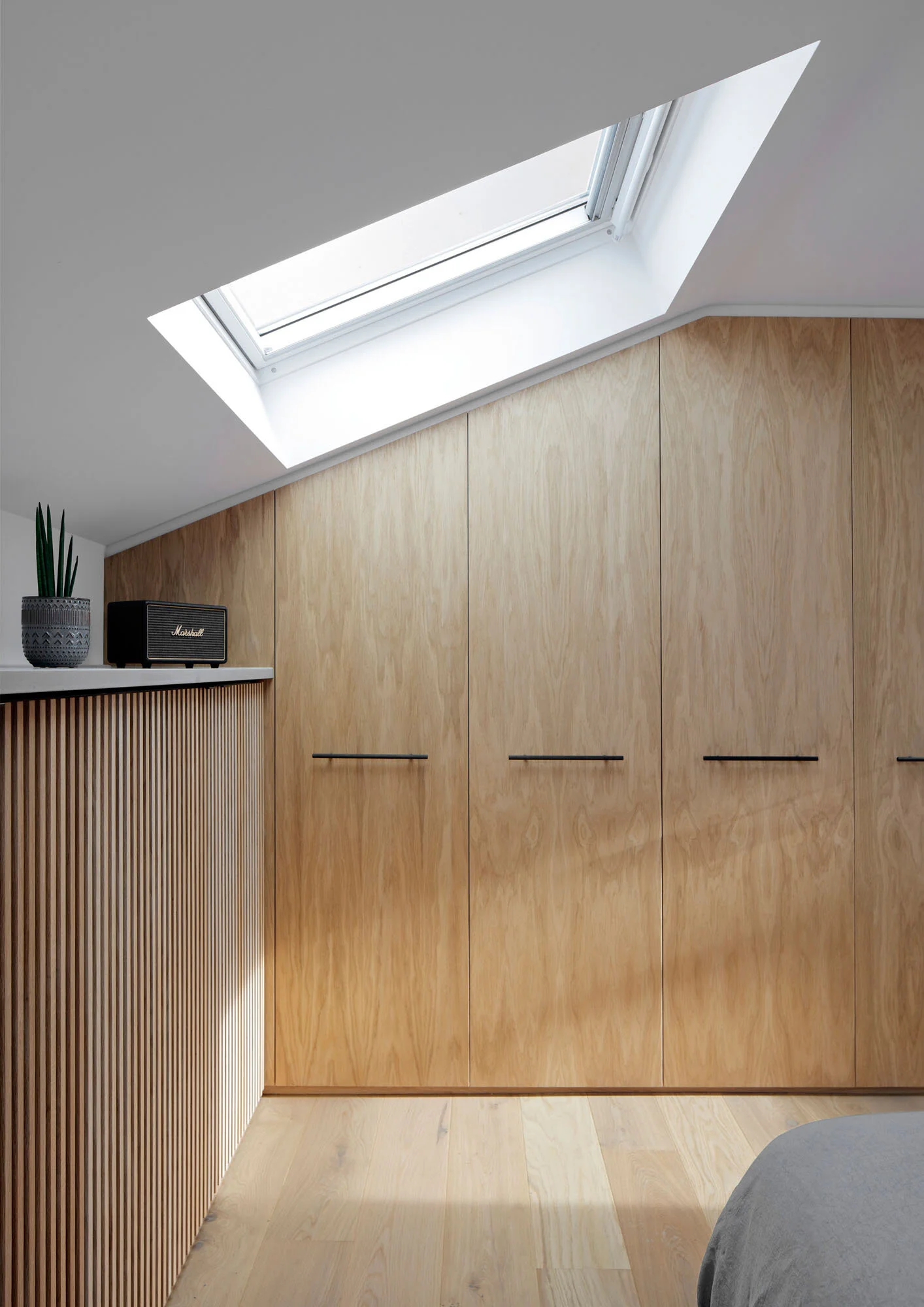
Timber brings warmth and precision, responding naturally to light and movement within a space.
Cork
Cork behaves differently to most modern insulation.
It is slightly compressible, which means it can sit tightly against uneven walls without leaving gaps. It also handles moisture well, maintaining performance even when conditions are less than perfect.
This makes it particularly suited to retrofitting older buildings, where precision is harder to achieve.
Hemp
Hemp-based materials offer a breathable insulation approach rather than a sealed one.
They regulate moisture and temperature together, helping to create a more stable internal environment rather than sharp swings between hot and cold.
Hempcrete, in particular, works as part of a system rather than a single layer.
Clay
Clay is most often used internally, but its effect is noticeable.
It absorbs excess humidity when the air is damp and releases it again when the air dries. This helps smooth out fluctuations, making rooms feel more comfortable and less heavy.
Lime
Lime is one of the most important materials in the retrofit of period homes.
Unlike cement, which seals surfaces, lime remains open and breathable. It allows moisture to pass through the wall and evaporate safely.
In many cases, replacing cement-based mortars or plasters with lime is what allows a building to start drying out again.
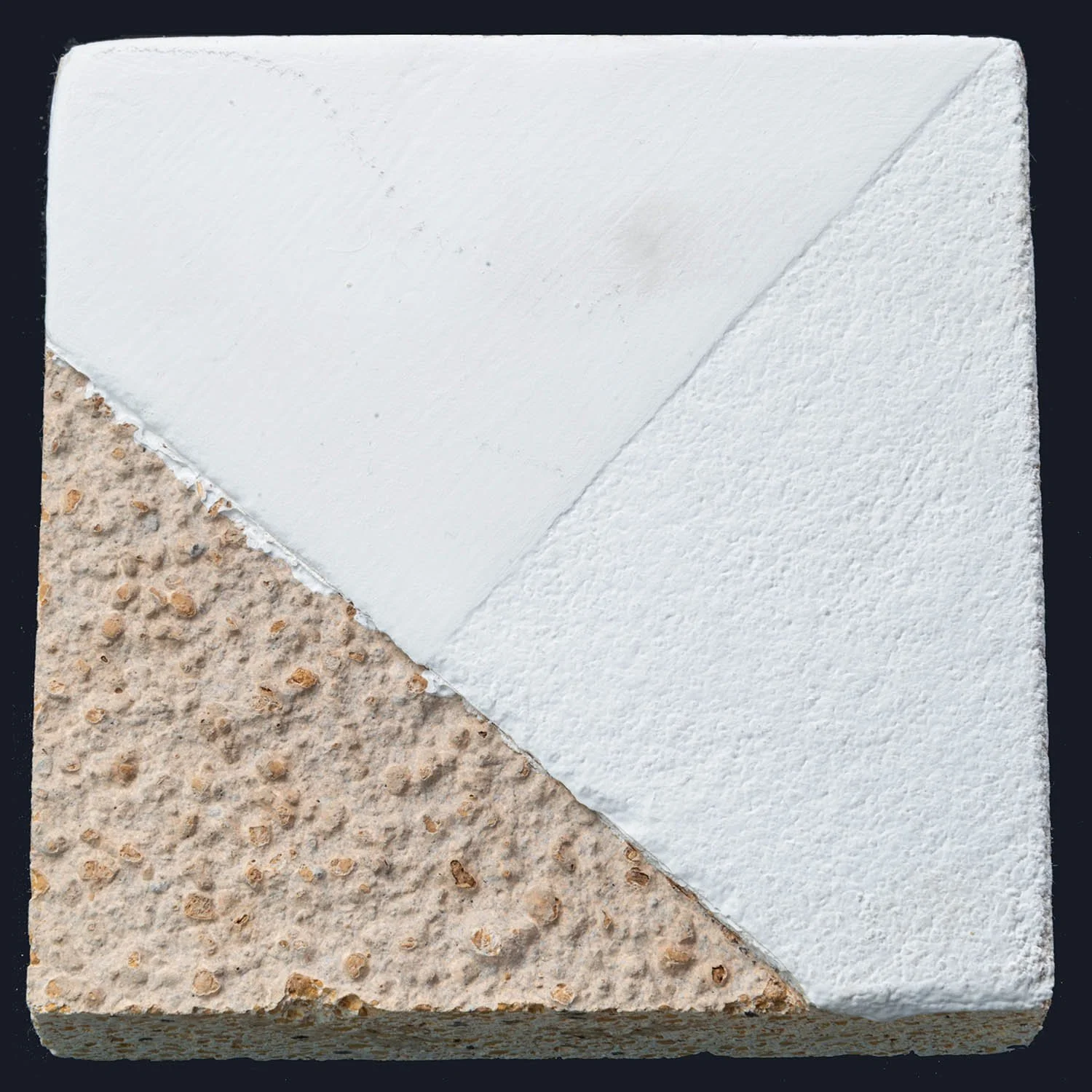
Lime plaster allows walls to absorb and release moisture, helping buildings stay dry over time.
Stone
Stone is valued for its durability and stability.
It provides thermal mass, meaning it can absorb heat during the day and release it slowly over time. This helps moderate temperature swings and adds a sense of solidity and permanence to the building.
What this means in a London period home
In a typical Victorian or Edwardian house, you are working with solid walls, variable conditions, and a structure that was never designed to be sealed.
Every layer interacts.
Insulation affects moisture.
Plaster affects drying.
Structure affects movement.
It is less like stacking products and more like tuning a system.
Introduce the wrong layer, and the balance shifts.
Get it right, and the house begins to feel calmer, drier, and more consistent throughout the year.
If overheating is a concern, it is worth understanding how to keep a Victorian home cool in summer.
Where natural materials go wrong
Natural materials are not a guarantee of success.
Used without a clear strategy, they can still create problems.
Common issues include:
Mixing breathable and non-breathable layers, which traps moisture between them
Focusing only on insulation values rather than overall performance
Choosing materials based on trends or appearance rather than suitability
Poor installation, where gaps, junctions, and sequencing are not considered
These are explored further in common retrofit mistakes homeowners make.
A single good material in the wrong place can perform worse than a simpler material used correctly.
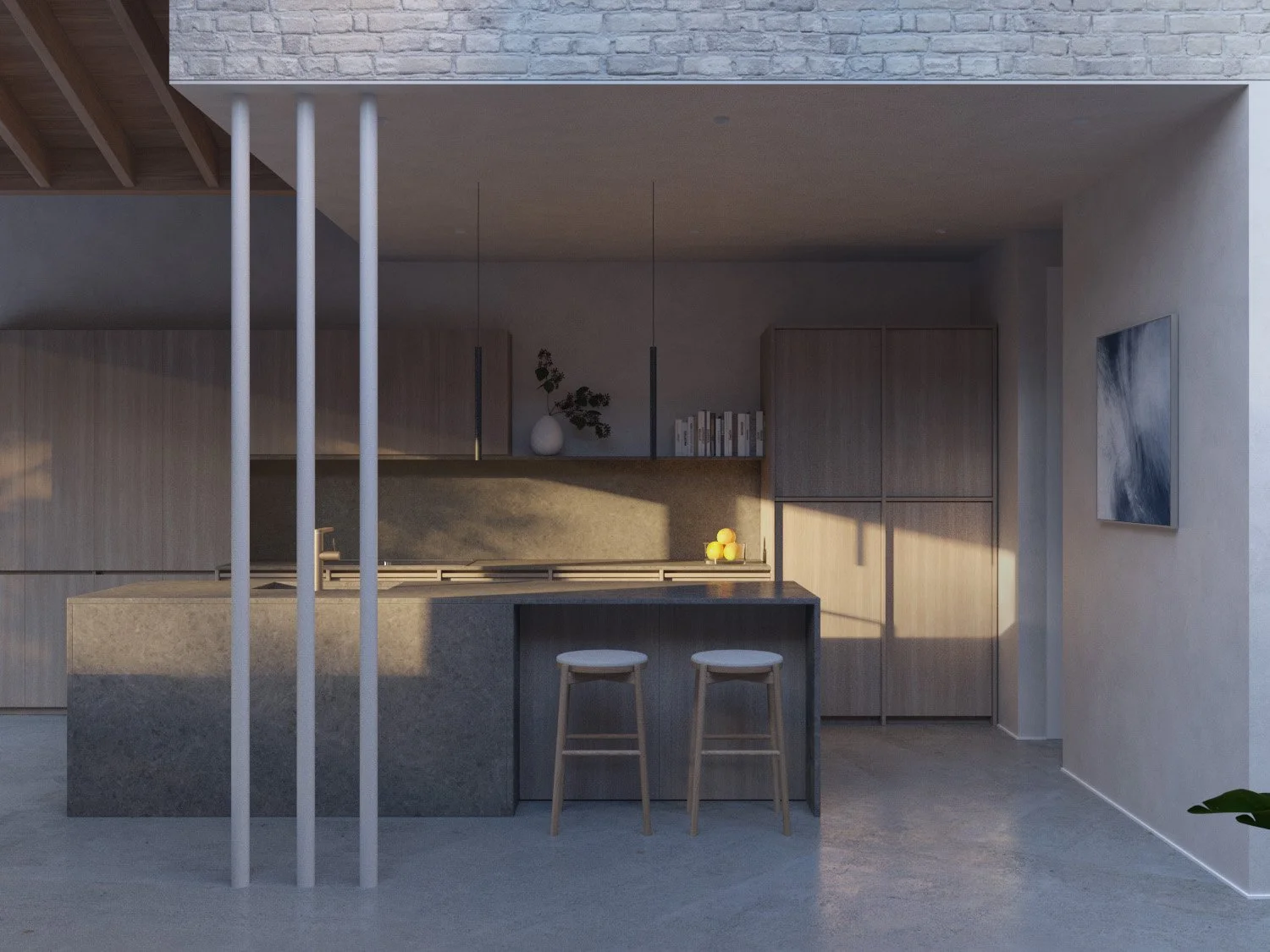
A completed London retrofit where natural materials work together to create a calm, balanced home.
Bringing it together
Choosing natural materials is not about following a trend or making a statement.
It is about creating a home that works quietly in the background.
A home that stays dry after rain.
A home that warms up steadily and cools down gently.
A home that feels comfortable without constant adjustment.
Next steps
If you are planning a renovation or retrofit, material choice is only one part of the picture.
It needs to be considered alongside insulation, ventilation, and how the whole building performs over time. The challenge is not choosing individual products, but understanding how everything works together.
This is where a clear plan makes the difference.
We help homeowners develop a whole-house retrofit strategy where materials, insulation, and systems are designed as one coordinated approach, rather than a series of isolated decisions.
If you are at the stage of thinking about your own project, you can book a consultation to discuss your home and explore what a considered retrofit could look like.